


Bees: Guardians of biodiversity and essential pollinators
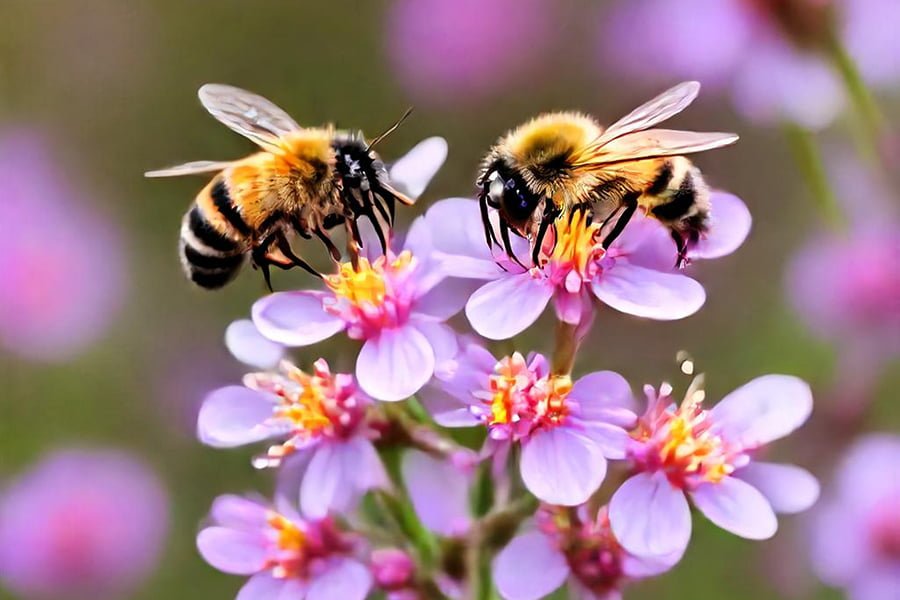
Bees, those small insects buzzing from flower to flower, are much more than mere garden inhabitants. These fascinating creatures play an essential role in our ecosystem and in the food we consume daily. Though small, their impact on human life and nature is immense. However, despite their importance, bees face numerous threats that endanger not only their survival but also the stability of our biodiversity.
Pollination: A vital process for life on Earth
Pollination is one of the most important natural processes, and bees are its main protagonists. By transferring pollen from one flower to another, bees enable plant reproduction. This process is crucial for producing fruits, vegetables, and seeds, and therefore for human and animal food. It is estimated that over 75% of the world’s food crops depend at least partially on insect pollination, mainly by bees.
In Spain, pollination plays a vital role in agriculture. Crops such as almonds, cherries, peaches, and many vegetables depend on bee pollination. Without bees and their pollination services, the availability of these foods could be drastically reduced, affecting both the economy and food security.
The threat to bees: What is happening?
In recent years, bee populations have declined alarmingly worldwide, and Spain is no exception. Causes include pesticide use, habitat loss, climate change, and the spread of diseases and parasites.
One of the greatest challenges is intensive pesticide use in agriculture. Chemicals such as neonicotinoids pose a significant threat to bees by affecting their nervous system, weakening their ability to fly, forage, and reproduce. Additionally, urban expansion and intensive farming have drastically reduced wildflower areas where bees can feed and thrive.
Initiatives in Spain to protect bees
Fortunately, numerous initiatives are emerging in Spain to protect bees and promote pollination. One of the most notable is Apicultura y Biodiversidad, which raises awareness about bee importance and encourages sustainable beekeeping practices. This platform provides educational resources for beekeepers and citizens interested in bee conservation.
Another relevant initiative is Bee Garden España, a project promoting the creation of bee-friendly gardens in urban and rural areas. These gardens provide food and shelter for bees, with plants that bloom at different times of the year to ensure a constant nectar source.
Additionally, Greenpeace España campaigns to ban harmful pesticides and protect bee habitats. Their efforts have increased awareness of the urgent need for agricultural policies that support biodiversity and pollinator health.
How you can help: Small actions that make a difference
Everyone can contribute to bee protection with small, impactful gestures:
- Plant bee-friendly flowers: Create a garden or balcony corner with lavender, sunflowers, marigolds, and rosemary, rich in nectar and pollen.
- Avoid pesticides: Use eco-friendly pest control methods and avoid chemicals that harm bees.
- Support local beekeepers: Buy honey and other products from local sustainable beekeepers, helping both bees and farmers.
- Participate in conservation projects: Join local initiatives promoting biodiversity and pollinator protection.
The future of bees and our commitment to biodiversity
Protecting bees is not just about conserving a species but preserving the balance of our entire ecosystem. Without bees, we would lose a crucial source of pollination, endangering food production and plant diversity. In Spain, platforms and projects working to protect bees play a vital role in preserving biodiversity.
It is crucial that everyone becomes aware of the importance of bees and takes action. By doing so, we save these small yet powerful insects and ensure a sustainable future for generations to come.