


Best Indoor Plants to Purify the Air and Improve Well-Being
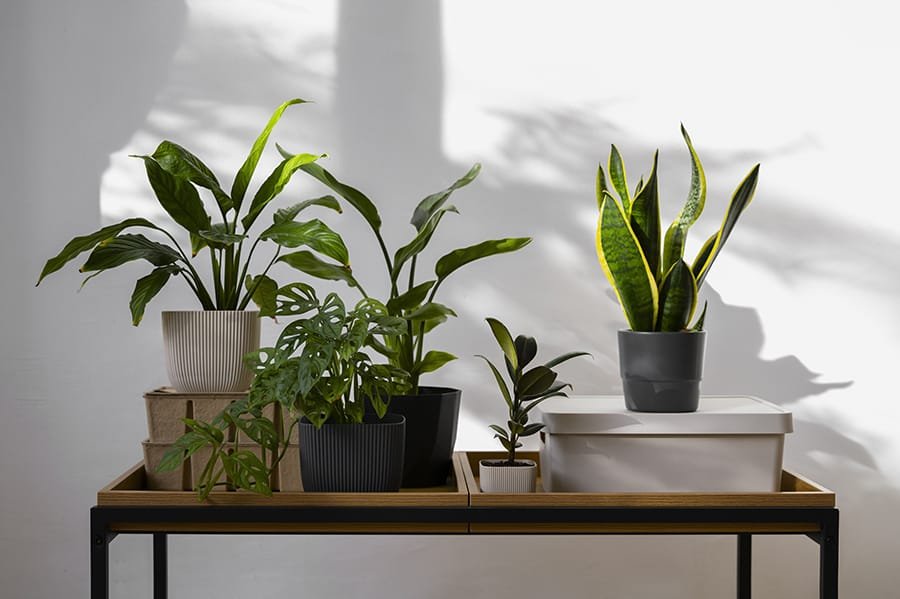
In recent years, concern about indoor air quality has grown significantly. Studies by organizations such as NASA have shown that certain indoor plants are not only decorative but also help purify the air by removing toxins and promoting a healthier environment. From offices to living rooms, incorporating plants into our spaces can enhance overall well-being. This article explores the best indoor plants for air purification, their benefits, and practical care tips.
Why is indoor air quality important?
Indoor air quality directly affects our health. Research shows that indoor air can be even more polluted than outdoor air due to volatile organic compounds (VOCs) from cleaning products, paints, furniture, and electronics. These pollutants can cause allergies, headaches, fatigue, respiratory issues, and even affect concentration and performance. Indoor plants can help by absorbing gases and naturally increasing humidity.
Best indoor plants for air purification
1. Snake Plant (Sansevieria trifasciata)
Also known as the “mother-in-law’s tongue,” it is highly recommended for improving air quality. It is very easy to care for and survives in low light with minimal watering, making it ideal for beginners.
Benefits:
- Removes toxins like formaldehyde and benzene.
- Releases oxygen at night, improving sleep quality if placed in the bedroom.
Care:
- Indirect or low light.
- Moderate watering, allowing soil to dry between waterings.
2. Pothos (Epipremnum aureum)
A climbing plant suitable for hanging or vertical growth. Heart-shaped leaves are aesthetically pleasing, and it efficiently removes certain contaminants.
Benefits:
- Absorbs formaldehyde, xylene, and benzene.
- Low maintenance, thrives in low light.
Care:
- Indirect light and moderate watering.
- Resistant to low humidity.
3. Bamboo Palm (Chamaedorea seifrizii)
A decorative tropical plant with excellent air-filtering properties.
Benefits:
- Filters formaldehyde and xylene.
- Increases humidity in indoor spaces.
Care:
- Indirect light and humid environments.
- Regular watering, keeping soil moist but not waterlogged.
4. Peace Lily (Spathiphyllum wallisii)
Elegant and simple, suitable for offices and living rooms.
Benefits:
- Removes ammonia, formaldehyde, and trichloroethylene.
- Maintains ambient humidity, ideal for dry climates.
Care:
- Indirect light or partial shade.
- Regular watering, keeping soil slightly moist.
5. English Ivy (Hedera helix)
Perfect for small spaces, absorbs formaldehyde and other pollutants.
Benefits:
- Reduces mold particles in the air.
- Effective against allergens and dust.
Care:
- Prefers indirect light and high humidity.
- Regular watering, avoiding waterlogging.
How indoor plants benefit mental health
In addition to purifying the air, plants reduce stress and enhance emotional well-being. Indoor plants can:
- Reduce stress and anxiety: Caring for plants has a calming effect.
- Improve productivity and concentration.
- Create a more welcoming environment.
Tips to maximize indoor plant benefits
- Choose plants according to your needs: For low-maintenance care, select plants like pothos or snake plant.
- Place multiple plants in a room: More plants increase air purification efficiency.
- Create a care routine: Regular watering and pruning keep plants healthy.
- Ensure air circulation: Occasionally open windows to refresh indoor air.
Conclusion: Invest in plants for cleaner air and healthier living
Indoor plants are one of the best investments for home or workplace health. They purify the air and enhance physical and emotional well-being. With minimal care, their benefits outweigh the effort. Bring greenery into your life for a cleaner, more welcoming environment.