


Decarbonization: Reducing Emissions for a Sustainable Future
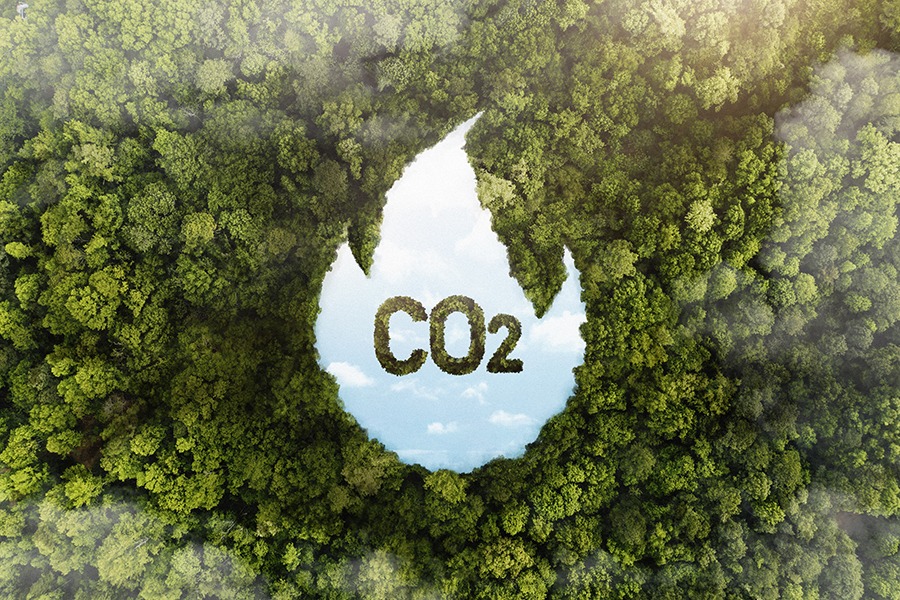
Decarbonization is one of the most important concepts in the fight against climate change. It refers to the gradual reduction of carbon dioxide (CO₂) and other greenhouse gas emissions generated by human activities, particularly through the use of fossil fuels such as coal, oil, and natural gas.
In a context where rising global temperatures are causing extreme events like droughts, heatwaves, wildfires, and sea-level rise, decarbonization is not just an option: it is an urgent necessity.
Why do we need to decarbonize our economies?
Human activity has increased greenhouse gas concentrations in the atmosphere since the Industrial Revolution. According to the Intergovernmental Panel on Climate Change (IPCC), limiting global warming to 1.5°C requires a 45% reduction in global emissions by 2030 and reaching net-zero emissions by 2050.
Decarbonization is crucial because:
- It reduces the impacts of climate change.
- It improves air quality and public health.
- It reduces dependence on non-renewable energy sources.
- It promotes technological innovation and the green economy.
How is decarbonization implemented?
Decarbonization can be addressed across various sectors and strategies. Some key pillars include:
1. Energy transition
This involves shifting from fossil fuels to renewable energy sources like solar, wind, hydro, and geothermal. It requires investment in clean energy infrastructure, smart grids, and storage systems.
2. Electrification of transport
Transportation is one of the largest CO₂ emitters. Replacing internal combustion vehicles with electric vehicles, alongside efficient public transport and promoting sustainable mobility such as biking and walking, is essential.
3. Energy efficiency
Reducing energy consumption without sacrificing comfort or productivity is possible through more efficient technologies and sustainable design in buildings, industries, and appliances.
4. Carbon capture and storage (CCS)
This technology captures CO₂ emissions before they reach the atmosphere and stores them safely underground.
5. Reforestation and ecosystem protection
Forests act as natural carbon sinks. Protecting them and reforesting degraded areas helps absorb CO₂ from the atmosphere.
Spain and decarbonization: progress and challenges
Spain has set ambitious goals under its Integrated National Energy and Climate Plan (PNIEC) and the Climate Change and Energy Transition Law, including achieving climate neutrality by 2050.
Key measures include:
- Phasing out coal in electricity generation.
- Promoting solar self-consumption, with over 200,000 residential installations in 2024.
- Creating low-emission zones in cities with more than 50,000 inhabitants.
- Incentives for electric vehicle purchase through programs like MOVES III.
However, challenges remain, such as improving building efficiency, developing green hydrogen, and ensuring a fair transition for workers in fossil fuel sectors.
What can you do to contribute to decarbonization?
While governments and companies play a key role, citizens can also be agents of change. Here are some key actions:
- Choose clean energy: Install solar panels at home or switch to a green energy provider.
- Reduce energy consumption: Turn off unnecessary lights, optimize appliance use, and improve home insulation.
- Choose sustainable transport: Walk, cycle, or use public transport. Share rides or consider electric vehicles.
- Change consumption habits: Prioritize local and sustainable products, reduce plastics, and recycle.
- Learn and educate: Knowledge is power. Share information and raise awareness about the importance of decarbonization.
Conclusion
Decarbonization is not just a buzzword. It is a roadmap to a cleaner, more resilient, and fairer future. Achieving it requires profound changes in how we produce, consume, and travel, but it also creates opportunities: improving quality of life, generating green jobs, and preserving the planet for future generations.
At hogarecofriendly.com, we believe that information is the first step toward a more sustainable society. Understanding what decarbonization means and how to achieve it brings us closer to the change our planet needs.