


Eco-Friendly Architectural Design: Building for a Sustainable Future
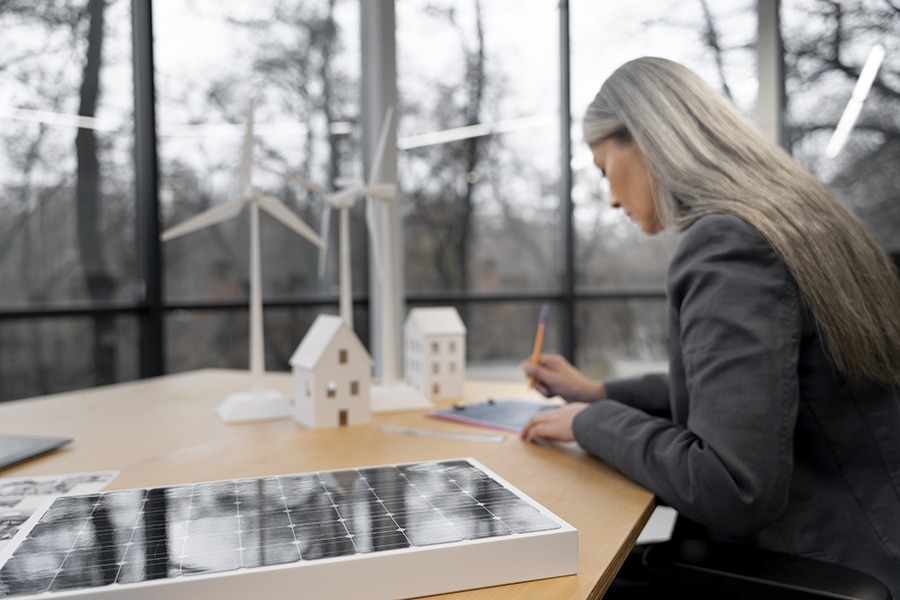
Eco-friendly architectural design is no longer a trend but a necessity. In a world affected by climate change and resource overuse, architecture plays a key role in transitioning to a more sustainable society. Building responsibly is no longer optional—it is a shared responsibility.
In this article, we explain what eco-friendly architectural design is, its benefits, and how to apply its principles in building or renovating a home.
What is eco-friendly architectural design?
Eco-friendly architectural design, also known as sustainable architecture, is a way of conceiving and constructing buildings that respect the environment throughout their life cycle: from planning and construction to use, maintenance, and possible demolition.
This design approach aims to optimize the use of natural resources, reduce environmental impact, and create healthy spaces for people, without compromising the needs of future generations.
Key principles of eco-friendly architectural design
The fundamental pillars guiding any sustainable architecture project are:
1. Energy efficiency
The goal is to minimize energy consumption through passive strategies (like building orientation, cross-ventilation, or thermal insulation) and active strategies (such as efficient systems and renewable energy).
2. Rational water use
Eco-friendly architecture includes solutions such as rainwater harvesting, greywater reuse systems, and low-consumption sanitary fixtures.
3. Selection of sustainable materials
Priority is given to recyclable, recycled, biodegradable, low-impact, and preferably locally sourced materials to reduce the carbon footprint of transport.
4. Waste reduction
Both during construction and daily use, design should promote circular economy, material durability, and ease of reuse or recycling.
5. Indoor air quality and health
Toxic materials and paints with volatile organic compounds (VOCs) are avoided, while natural ventilation is promoted to ensure healthier spaces.
6. Integration with the environment
The building should harmoniously integrate with the landscape, respect local biodiversity, and contribute to improving the natural and social environment.
Practical strategies to apply eco-architecture in your home
You don’t need to build from scratch to benefit from eco-friendly design. Here are ways to apply its principles in new constructions or renovations:
- Smart solar orientation: Maximize natural light and winter heat, while reducing summer exposure with eaves or vegetation.
- Quality thermal insulation: Improves comfort and reduces energy consumption.
- Green roofs and vegetated façades: Provide insulation, purify the air, and enhance urban biodiversity.
- Solar photovoltaic or thermal systems: For electricity generation and domestic hot water.
- Home automation: Optimize energy, water, and lighting use.
- FSC-certified wood or bamboo: Renewable alternatives to high-impact industrial materials.
Benefits of eco-friendly architectural design
Adopting this approach brings multiple personal and collective advantages:
- Economic savings over the long term on energy, water, and maintenance.
- Improved thermal and acoustic comfort in the home.
- Reduced pollutant emissions and active contribution against climate change.
- Healthier environments free of harmful substances.
- Increased property value in the real estate market.
- Lifestyle aligned with environmental and social values.
Eco-architecture: a commitment to the future
Eco-friendly architectural design is not just a building technique; it is a philosophy that places human and planetary well-being at its core. As more people become aware of the impact of their choices, this architecture becomes a key tool to create a fairer, more livable, and resilient future.
Whether planning your next home or improving your current one, each step toward sustainable construction is an investment in quality of life, health, and sustainability.