


Electronic Waste: How E-Waste Impacts Health and the Environment
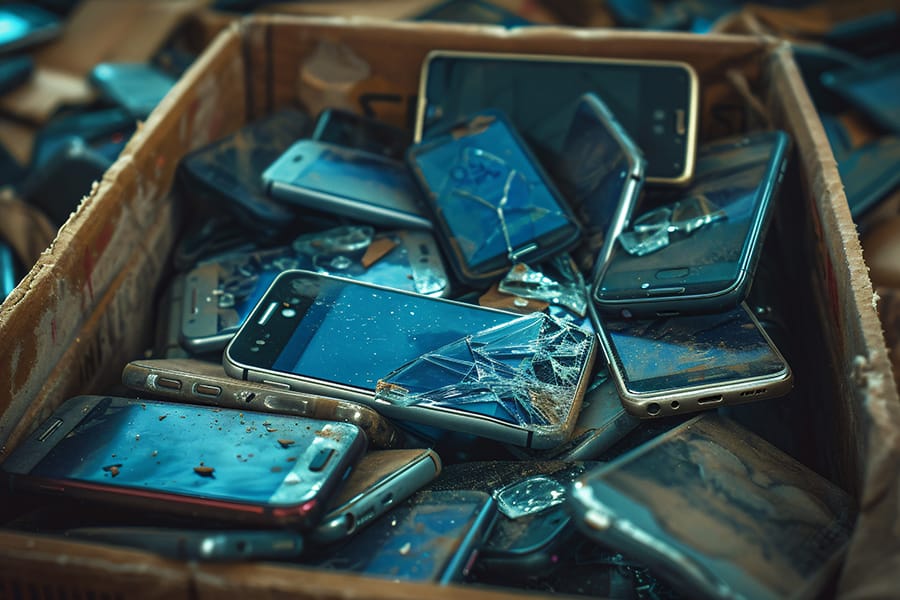
What is electronic waste and why does it affect us all?
In the digital era, we rely more than ever on technology, but what happens when our devices stop working? From smartphones to appliances, electronic waste (or e-waste) is a growing environmental problem affecting millions of people and the planet. These wastes contain hazardous materials that contaminate soil, water, and air, while also contributing to climate change. Addressing this issue is key to building a sustainable future.
The environmental impact of electronic waste
The growth of e-waste is alarming: in 2022 alone, over 50 million tons were generated worldwide. Improperly discarded electronics can release toxic chemicals like lead, mercury, and cadmium, contaminating soil and water and harming wildlife. Burning some components also emits greenhouse gases, contributing to global warming.
Each poorly managed device is a missed opportunity to protect the environment. E-waste also contains precious metals like gold, silver, and copper that can be reused if recycled correctly.
Consequences for human health
E-waste affects not only the environment but also human health. People living near landfills or working in informal recycling are exposed to toxic chemicals. Health effects include:
- Respiratory problems: Inhalation of toxic gases from burning electronics can cause asthma or chronic lung conditions.
- Neurological and developmental disorders: Exposure to lead and heavy metals may impair cognitive development, especially in children.
- Skin and kidney diseases: Direct contact with e-waste toxins can irritate the skin and cause kidney problems over time.
Why do we generate so much e-waste?
Short product lifecycles and rapid technological obsolescence lead to frequent device replacement. Lack of awareness about proper recycling and insufficient collection policies worsen the problem. Extending the life of devices, repairing, and recycling can reduce e-waste generation.
How can we reduce electronic waste?
- Buy second-hand or refurbished: Gives products a second life, reduces new production, and saves money.
- Repair instead of replace: Fixing devices prolongs their life and reduces waste.
- Proper recycling: Recycle devices to recover metals and plastics safely.
- Rent or borrow: Temporarily borrowing devices reduces unnecessary consumption.
The importance of e-waste recycling
Recycling e-waste reduces environmental impact and recovers valuable materials. Only a small fraction is recycled correctly, highlighting the need for more action. Many manufacturers offer recycling programs and incentives to encourage proper disposal.
What can companies and governments do?
- Promote a circular economy: Design products that are modular, repairable, and recyclable.
- Collection and recycling programs: Governments can establish e-waste drop-off points and collaborate with recyclers.
- Extended Producer Responsibility (EPR) legislation: Holds manufacturers accountable for product recycling, promoting durability and recyclability.
Conclusion: Take action to reduce your electronic waste
Solving e-waste starts with individual actions: use durable products, repair, recycle properly, and reduce consumption. These habits protect health and the environment while encouraging sustainable production and consumption practices. At hogarecofriendly.com, we believe small actions matter. Together, we can make a difference—start making eco-friendly choices today!