


Energy Efficiency at Home: Practical Tips to Reduce Consumption
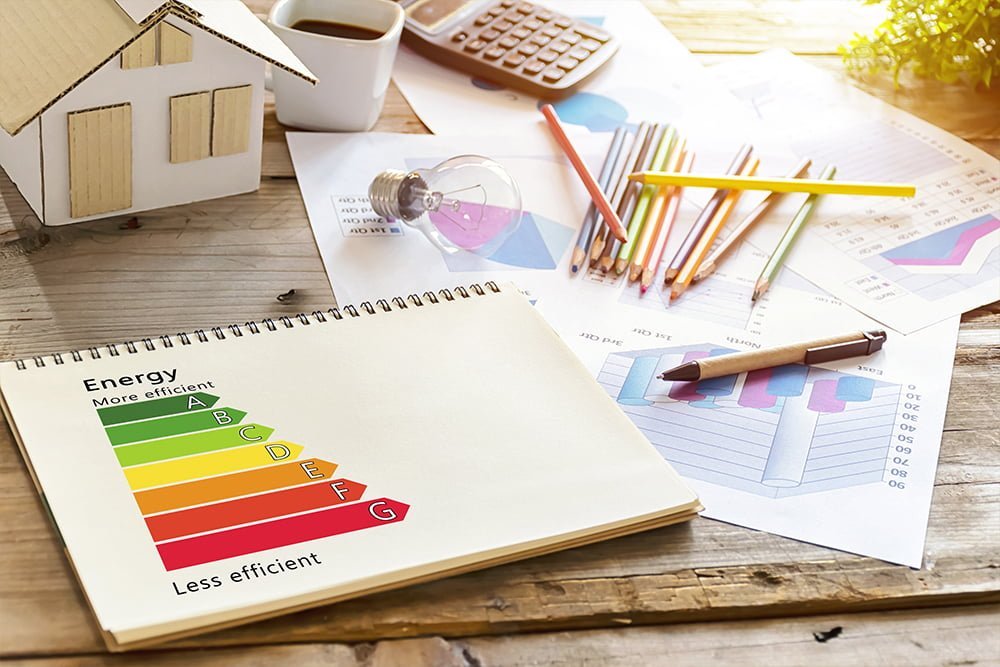
In a world increasingly aware of the environment and rising energy costs, improving energy efficiency at home has become a priority. In this article, we will explore how you can make your home more energy-efficient, reducing energy consumption and saving money in the process:
Evaluation and Tips for an Energy-Efficient Home
Conducting a thorough energy efficiency assessment in your home is the first step to identifying areas for improvement and reducing energy use. Key points to consider during this evaluation include:
Inspect Your Home’s Insulation
It is crucial to perform a thorough inspection of your home’s insulation to ensure it is properly installed and in optimal condition. Take time to carefully review all areas susceptible to hot or cold air leaks, such as doors, windows, air ducts, and pipe entry points. Any cracks or gaps can represent significant energy loss, negatively impacting your home’s thermal efficiency and increasing long-term energy costs.
Once these problem areas are identified, it is essential to seal them properly to prevent unwanted energy loss. Use high-quality, durable sealants to ensure an effective long-term solution. By improving your home’s insulation and sealing, you will not only enhance its energy efficiency but also increase comfort and reduce your energy bill.
Examine Your Appliances’ Energy Consumption
It is essential to analyze the energy consumption of your appliances to identify those with the highest impact on your energy bill. Use an energy meter to assess how much power your appliances consume and prioritize those with higher usage. Consider replacing them with more efficient models with ENERGY STAR certification, designed to consume less energy without compromising performance.
Additionally, look for ways to reduce the use of high-energy appliances and maximize efficiency. For example, use the washer and dryer with full loads to minimize cycles, or run the dishwasher only when fully loaded.
Conduct a Thorough Lighting Audit
Evaluate the type of bulbs you currently use and consider switching to LED bulbs, which are known for low energy consumption and long lifespan compared to traditional incandescent bulbs. In addition to this change, ensure you turn off lights when not needed and make the most of natural light whenever possible.
Updating your lighting systems and adopting mindful usage habits can significantly reduce energy consumption and your electricity bill. Using LED bulbs also helps protect the environment by reducing waste and lowering overall energy demand. A lighting audit is a simple yet effective measure to improve your home’s energy efficiency and promote a sustainable lifestyle.
Reduce Your Water Consumption
Reducing hot water usage is essential for improving energy efficiency and lowering your energy bill. An effective way to do this is by installing low-flow devices on faucets and showers, which reduce water usage without compromising comfort.
It is also important to check your water heater to ensure it is set to the correct temperature, as excessive settings can unnecessarily increase energy consumption. Consider installing a more efficient water heater if yours is old, as modern models are designed to use less energy and provide optimal performance.
Evaluate Heating and Air Conditioning Usage
Carefully review your heating and cooling systems to ensure they operate efficiently. This includes regularly cleaning filters for optimal airflow and sealing air ducts to prevent leaks and energy loss.
Also, consider installing a programmable thermostat, which allows you to adjust home temperature according to your schedule and preferences, optimizing energy use and reducing heating and cooling costs.
Encourage an Energy-Conscious Lifestyle
Finally, do not underestimate the impact your own habits can have on your home’s energy consumption. Turn off lights when not needed, unplug devices on standby, and minimize appliance usage whenever possible. Small lifestyle changes can make a big difference in your home’s energy efficiency.
Consider installing home automation devices and smart energy management systems. From programmable thermostats to smart plugs, these devices allow you to control and optimize energy use in your home, even when you are not present.