


Environmental justice: ensuring fairness for all
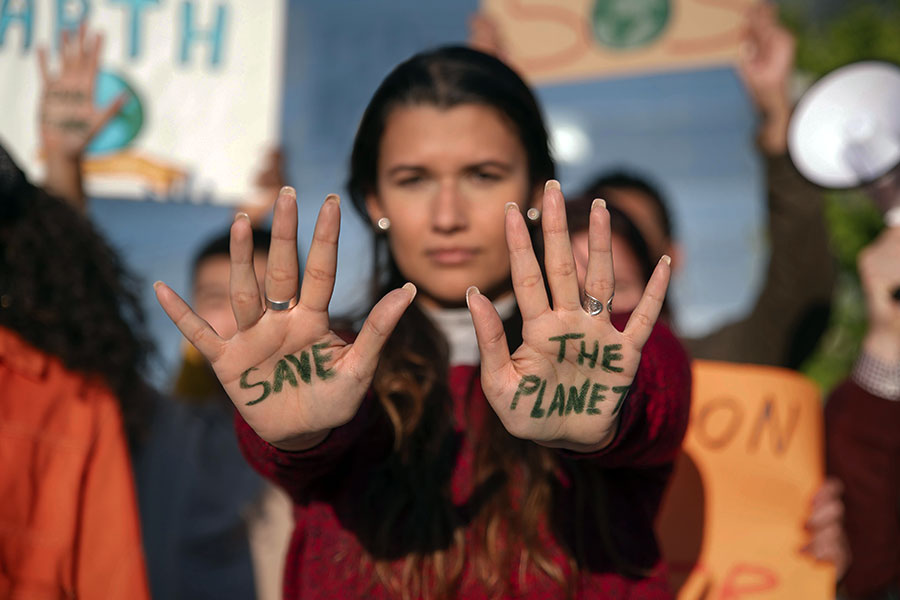
In a world increasingly affected by climate change, ecological degradation, and social inequalities, the concept of environmental justice has gained crucial importance. It is not only about protecting nature, but also ensuring that all people, regardless of race, origin, or economic status, can live in a healthy and safe environment.
Environmental justice is essentially the convergence of human rights and ecological sustainability. It represents a response to decades —even centuries— of political and economic decisions that have disproportionately burdened the poorest and most marginalized communities with pollution, deforestation, and environmental risks.
The origins of environmental justice
The term environmental justice gained traction in the 1980s in the United States, when African American activists denounced that landfills and chemical plants were systematically located in Black or Latino neighborhoods. One of the most emblematic cases was Warren County, North Carolina, where attempts to store toxic waste in a predominantly African American community sparked protests that marked a turning point.
Since then, environmental justice has emerged as an ethical, legal, and political movement that demands:
- Equity in the distribution of environmental impacts.
- Active participation of all communities in ecological decisions.
- Responsibility of companies and governments in protecting vulnerable environments.
Core principles of environmental justice
Environmental justice movements are based on widely recognized principles. The most important include:
- Equitable access to a healthy environment: Everyone has the right to clean air, potable water, and uncontaminated soil.
- Community participation: Communities must be heard and have decision-making power over projects affecting their environment.
- Prevention of harm: Public policies should prioritize preventing environmental impacts rather than remediation.
- Environmental accountability and transparency: Companies and institutions must be responsible for damages, provide clear information, and compensate victims when necessary.
- Recognition of historical inequalities: It is essential to consider how environmental racism and poverty have shaped access to healthy environments.
Why environmental justice is crucial today
The climate crisis has intensified environmental injustices worldwide. Droughts, wildfires, floods, and heat waves disproportionately affect the poorest populations, who have contributed least to global warming.
In Latin America, for instance, indigenous communities see their ancestral lands devastated by mining or agribusiness without prior consent. In Europe, some working-class neighborhoods are more exposed to industrial or traffic pollution. In Africa, millions live without access to potable water while foreign companies control natural resources.
This imbalance is unacceptable and can only be corrected through public policies grounded in environmental justice.
Real cases reflecting environmental injustice
Environmental justice is not abstract: it manifests in real conflicts where vulnerable communities suffer from economic or industrial decisions taken without their consent or benefit. Some emblematic cases include:
The Amazon
In large regions of South America, particularly Brazil, Peru, and Colombia, indigenous communities face constant threats from extractive industries such as mining, oil exploitation, and agribusiness. National and international companies clear forests, pollute rivers, and displace entire communities without proper environmental assessments or free, prior, and informed consent, violating human rights.
Bhopal, India
The 1984 Bhopal industrial disaster is one of the worst examples of modern environmental injustice. A toxic gas leak at a Union Carbide pesticide plant killed thousands immediately and affected over half a million people. Decades later, many families still live in contaminated environments with high rates of respiratory, neurological, and congenital diseases. The company never fully assumed responsibility for environmental restoration or fair compensation.
Niger Delta, Nigeria
For decades, communities in the Niger Delta have suffered devastating consequences of large-scale oil extraction. Gas flaring, constant oil spills, and soil and water contamination have ruined fishing, agriculture, and health. Residents live in extreme poverty despite generating huge profits for oil companies and the Nigerian state.
Flint, Michigan, USA
In 2014, Flint, a majority Black and low-income city, switched its water source to the Flint River without proper treatment. The result was a massive public health crisis: lead and bacterial contamination caused neurological issues, developmental problems in children, and deaths. Residents’ complaints were ignored for months, highlighting how negligent decisions disproportionately affect marginalized communities.
How to promote environmental justice
Promoting environmental justice requires a multidisciplinary approach:
- Inclusive environmental education: Raise awareness of the links between poverty, racism, and ecology.
- Legal reforms: Update environmental laws to include social equity and ensure enforcement.
- Community empowerment: Support communities in defending their territories through legal assistance, technology access, and international solidarity networks.
- Responsible consumption: Citizens’ daily decisions have a real impact. Choosing sustainable, local, and ethical products applies positive pressure.
- Journalism and visibility: Media like hogarecofriendly.com play a crucial role in raising awareness and informed public debate.
Conclusion: environmental justice for all
Environmental justice is not utopia, but an urgent necessity. Building a sustainable future requires rethinking our development model so that no one is left behind.
From government policies to daily consumer choices, we can all contribute to a fairer planet. Protecting the Earth also means protecting those who need it most.