

Extra Virgin Olive Oil: Health Benefits and Varieties
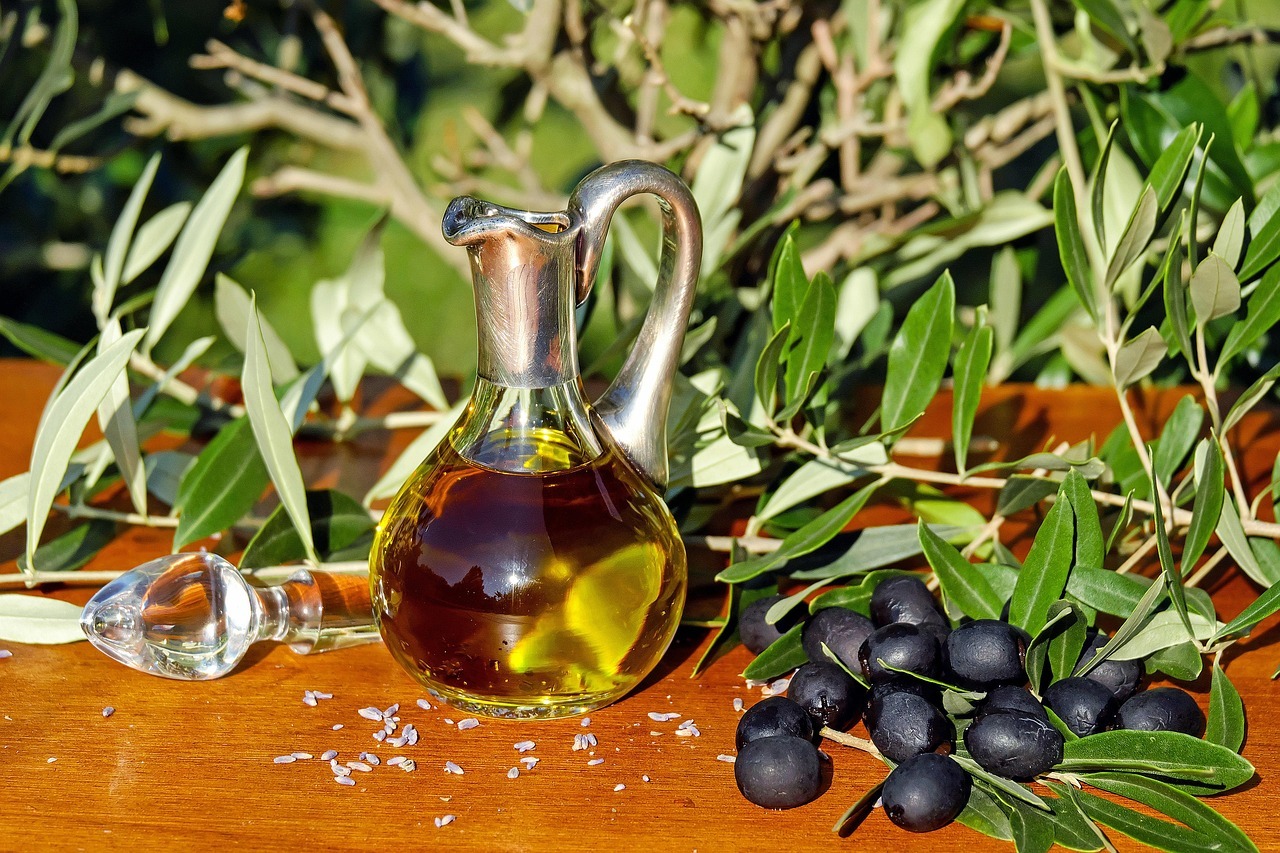
Extra virgin olive oil (EVOO) is one of the pillars of the Mediterranean diet. Its value goes beyond flavor, offering multiple benefits that can improve cardiovascular health, digestion, and even the appearance of skin and hair. Regular consumption promotes well-being and protection against various chronic diseases.
What Makes Extra Virgin Olive Oil Special?
What sets EVOO apart from other oils is its extraction process. It is obtained by pressing olives without using chemical processes, preserving all natural nutrients. Key components include monounsaturated fatty acids that protect the heart, antioxidant polyphenols, and vitamins like E and K, essential for cellular health and skin vitality.
Health Benefits
Extra virgin olive oil is a natural ally for the heart. Regular consumption helps maintain balanced cholesterol levels, reducing LDL (“bad”) and increasing HDL (“good”), while protecting arteries from oxidation and inflammation.
Beyond cardiovascular benefits, EVOO has anti-inflammatory properties due to oleocanthal, a compound acting like natural anti-inflammatories. This helps reduce the risk of chronic diseases such as arthritis and digestive inflammation.
Olive oil also supports digestion and metabolism. It enhances absorption of fat-soluble vitamins and helps maintain a healthy digestive system, while promoting satiety and supporting weight management.
Its benefits extend to skin and hair care. Rich in antioxidants and vitamins, it hydrates, protects from free radicals, strengthens hair, and reduces premature aging signs.
Moreover, studies indicate that regular EVOO consumption is linked to lower risks of type 2 diabetes, hypertension, and certain cancers, making it a key ally for overall health.
Types of Extra Virgin Olive Oil
Not all EVOO is the same. Different varieties vary in taste, aroma, and nutritional properties, and choosing the right one enhances both culinary and health benefits.
Picual: Known for its intense, slightly bitter taste and high oleic acid and polyphenol content, ideal for frying, stews, or raw on salads. Try this selected Picual oil for quality.
Arbequina: Mild and fruity, perfect for light dishes, pastries, and subtle salads. Recommended option: high-quality Arbequina oil.
Hojiblanca: Balanced sweet and bitter notes, versatile for dressings and cooking meats or vegetables. Try this premium Hojiblanca oil.
Cornicabra: Fruity aroma with a mild spiciness, high in antioxidants. Ideal for flavorful dishes: selected Cornicabra oil.
Each type offers distinct sensory and nutritional experiences. Keeping at least two varieties at home allows you to enjoy their full benefits.
How to Incorporate It Into Daily Diet
EVOO is versatile: use raw on salads, steamed vegetables, or toast, or cook on the grill, sauté foods, or replace less healthy fats in baking. Avoid high prolonged heat to preserve nutrients.
Conclusion
Extra virgin olive oil is more than a culinary ingredient. Regular consumption protects the heart, improves digestion, strengthens skin and hair, and helps prevent chronic diseases. Knowing varieties like Picual, Arbequina, Hojiblanca, and Cornicabra allows you to combine taste and health naturally. Including EVOO in your daily diet is a simple yet powerful step toward overall well-being.