


Harmful Chemicals in Household Products and Safer Alternatives
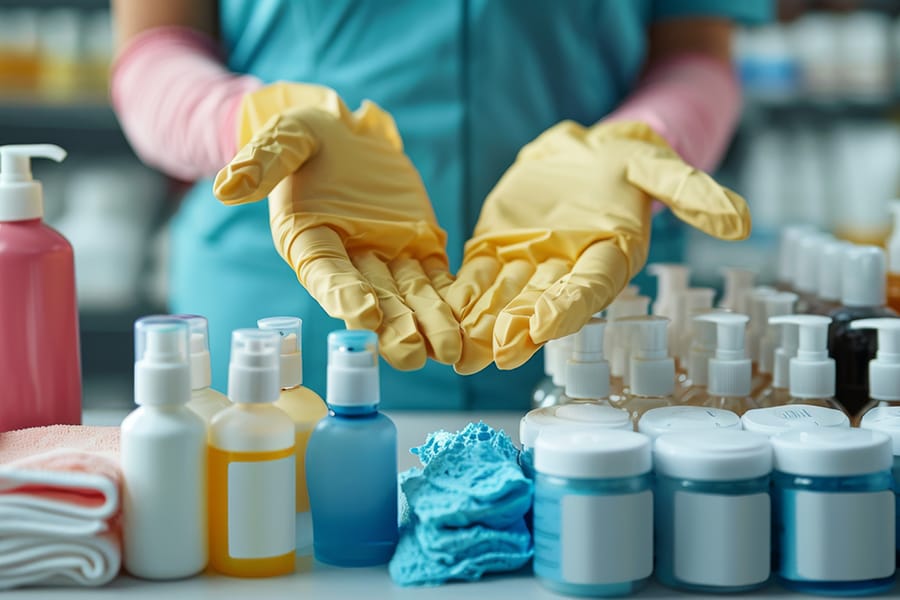
Did you know that many daily cleaning and personal care products contain harmful chemicals? From household cleaners to cosmetics, many of these products include harsh substances that, while effective at cleaning and disinfecting, can harm our health and the environment. If you want to reduce the use of dangerous chemicals at home and protect both your health and the planet, keep reading!
What are harsh chemicals and why should we avoid them?
Harsh chemicals are synthetic substances found in many commercial products, designed to eliminate bacteria, break down dirt, and in some cases preserve the product. Although effective, these products can pose risks to human health and the environment. For example, ammonia and chlorine, commonly used in cleaning products, are irritants to the skin, eyes, and respiratory system. Prolonged exposure can lead to respiratory issues, dermatitis, and even affect the immune system.
Beyond health effects, harsh chemicals often persist in the environment. Frequent use contributes to water and soil pollution, affecting local flora and fauna.
Health effects of harsh chemicals
Harsh chemicals can negatively affect our health both in the short and long term. Adverse effects may include:
- Respiratory problems: Inhaling chemicals like chlorine or ammonia can irritate airways, causing anything from coughing and discomfort to chronic diseases.
- Allergic reactions and dermatitis: Direct contact with chemicals like sulfates or phthalates can irritate skin, triggering allergies and contact dermatitis.
- Hormonal disruption: Some cleaning products contain endocrine disruptors, substances that can alter hormonal function and affect development and reproduction.
To protect our health and our families, it is important to understand product ingredients and, when possible, choose gentler alternatives.
Natural and eco-friendly alternatives: Creating a healthy, sustainable home
The good news is there are natural, eco-friendly alternatives that can be just as effective without exposing your home to harmful chemicals. Examples include:
- White vinegar: A versatile natural cleaner, disinfectant, and degreaser that can replace harsh cleaning products. Safe for both your health and the environment.
- Baking soda: Ideal for removing odors and tough stains; low-cost and chemical-free.
- Essential oils: Lavender, eucalyptus, or lemon oils not only add fragrance but may also have antibacterial properties.
Using natural products protects your health and supports environmental sustainability. They are also affordable and easy to find.
How to identify safe and sustainable household products
When shopping, it’s essential to recognize products that are truly safe for both home and environment. Tips include:
- Look for eco-labels: Certifications like “Ecolabel” or “USDA Organic” ensure the product meets environmental and health standards.
- Read labels and avoid harmful ingredients: Phthalates, formaldehyde, and parabens should be avoided. Choose products with natural ingredients and no artificial fragrances.
- Choose biodegradable products: These break down safely in the environment without contributing to water or soil contamination.
Environmental impact of harsh chemicals: A global problem
Harsh chemicals affect not only health but also the environment. When disposed of, they enter rivers and oceans, impacting species and contributing to water pollution. Choosing sustainable, biodegradable alternatives reduces this impact and helps preserve biodiversity and natural resources.
Conclusion: Adopt a safe, eco-friendly home
Changing consumption habits and choosing natural, sustainable alternatives is an effective way to protect health and the environment. Eliminating harsh chemicals completely may seem challenging, but every small change counts towards a safer, eco-friendly home.
Adopt healthier habits and contribute to a greener planet. Every choice makes a difference.