


Minimalism: Simplify Your Life and Reduce Waste
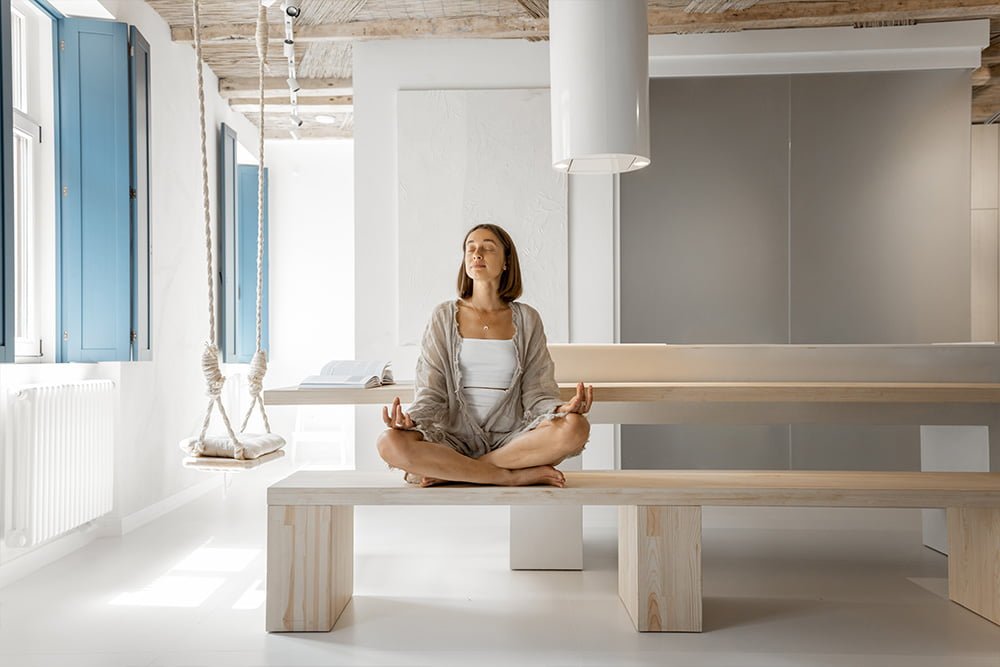
Have you ever felt overwhelmed by the amount of stuff you own? In a world where excessive consumption is the norm, minimalism offers a refreshing approach to simplify our lives and reduce stress.
Imagine a space where every object has a clear purpose and contributes to your daily well-being. This is the world of minimalism, a path to freedom and clarity in a world full of distractions and clutter.
Minimalism is not just about getting rid of things; it’s about freeing yourself from the burden of excess and focusing on what truly matters. In this article, we will explore how the principles of minimalism can transform your life by reducing physical and mental clutter, and how you can apply them to minimize the waste you generate at home. Get ready to discover the power of minimalism and how it can help you live a simpler, more meaningful, and sustainable life.
Principles of Minimalism: Focusing on the Essentials
At the heart of minimalism lies a radically simple approach: live with less to enjoy more. This lifestyle is based on the premise that by shedding material excess, we can free physical and mental space for what truly matters in our lives.
But what does this mean in practice? It means questioning our possessions and activities, discerning between what is essential and what is superfluous.
Imagine your home as a reflection of your mind: clear, organized, and full of calm. By applying minimalism principles, we let go of the weight of rampant consumerism and focus on what truly brings us happiness and fulfillment. This does not mean renouncing all material goods, but rather embracing simplicity and quality over quantity. Instead of chasing material accumulation, we seek richness in meaningful experiences and authentic relationships.
By adopting this approach, we discover a new sense of freedom and lightness. We rid ourselves of the physical clutter that blocks our living space and the mental clutter that prevents us from fully enjoying life.
Minimalism invites us to be deliberate in our choices, appreciate what we have, and let go of what no longer serves us. It is a journey of self-discovery and personal growth, leading to greater clarity, purpose, and satisfaction.
Simplifying to Reduce Waste: Less Consumption, Less Waste
Minimalism shows us that less is more, even when it comes to consumption. By adopting a conscious approach to what we buy and own, we can reduce the amount of waste we generate daily. Buying less prevents excessive packaging and the accumulation of items that will eventually end up in the trash.
When we simplify our lives, we also reduce our dependence on disposable and single-use products. Choosing durable, high-quality products means we don’t need to replace them as often, which in turn reduces the waste we generate over time. Additionally, by reducing clutter in our lives, we decrease the temptation to buy things we don’t need, meaning fewer resources consumed and less waste generated overall.
In short, simplifying our lives not only frees us from excess but also helps reduce our environmental footprint by consuming fewer resources and generating less waste. By embracing minimalism, we create a virtuous cycle where less consumption leads to less waste, which in turn allows us to live more consciously and sustainably.
Applying Minimalism at Home: Organization and Efficiency
Minimalism is not just about getting rid of things; it’s also about organizing your environment efficiently to maximize space and minimize clutter. By applying minimalism principles at home, you can create a calm and harmonious environment that allows you to live more consciously and sustainably.
A key part of applying minimalism at home is clearing clutter and keeping only the essentials. By reducing the number of items you own, you simplify your life and free physical and mental space for what truly matters. Additionally, by organizing your belongings efficiently, you can quickly find what you need and avoid the temptation to buy unnecessary duplicates.
Another important aspect of home minimalism is energy efficiency and resource use. By reducing the number of things you own, you reduce your energy and resource consumption, which in turn decreases your environmental footprint.
Ultimately, embracing minimalism is more than a lifestyle change; it is an act of resistance against rampant consumerism and a step toward a more balanced and sustainable world. Minimalism invites us to question our real needs and prioritize what truly matters in our lives.