


Natural Insect Repellents for a Safe Home
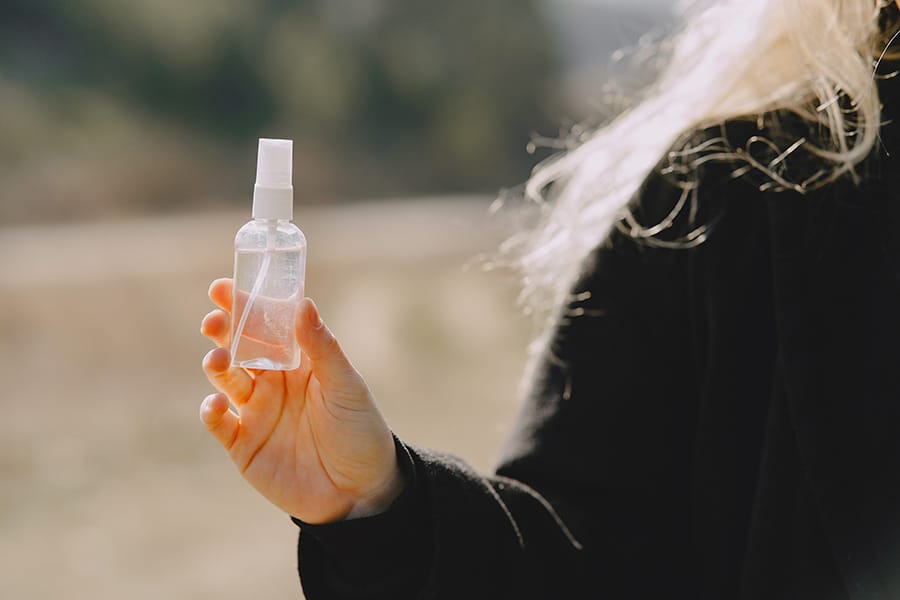
Controlling insects at home doesn’t always require harsh chemicals. Natural repellents are not only effective but also safe, non-toxic, and environmentally friendly. Learning to make homemade repellents is an easy way to protect your home without compromising your health or the planet. In this article, we will explore simple recipes for making your own natural insect repellent as well as other tips to keep insects at bay naturally.
Why Choose Natural Insect Repellents?
Choosing natural insect repellents over commercial ones is not just a matter of preference, but of safety and well-being. Conventional repellents often contain chemicals like DEET, which, while effective, can have side effects, especially for children and pets.
Opting for natural ingredients minimizes risks and provides an effective alternative without exposing your family to toxic substances. Additionally, many natural repellents can be made with ingredients you likely already have at home, making them affordable and easy to prepare.
Key Ingredients for Natural Insect Repellents
Some natural ingredients have well-documented insect-repelling properties. These components not only deter insects effectively but also usually have a pleasant aroma and multiple benefits for the home.
- Lemongrass oil: Known for its strong repellent properties, a staple in many mosquito products.
- Eucalyptus oil: Effective against mosquitoes and other flying insects, and acts as a natural antibacterial.
- Apple cider vinegar: A common pantry ingredient that repels insects with its strong smell.
- Lavender oil: Repels mosquitoes and moths while providing a calming effect.
- Tea tree oil: With antibacterial and fungicidal properties, also effective against a wide range of insects.
- Basil and mint: Aromatic herbs that act as repellents and can be grown at home.
Recipe 1: Citronella Spray Insect Repellent
Ingredients:
- 10 drops of citronella essential oil
- 10 drops of lavender oil
- 5 drops of eucalyptus oil
- 1 cup distilled water
- 1 teaspoon alcohol (optional, for better mixing)
Preparation:
- Add essential oils and alcohol to a clean spray bottle.
- Pour in distilled water and shake well to mix.
- Spray on exposed skin or areas of your home to repel insects.
Tip:
Shake before each use. Ideal for repelling mosquitoes and flies.
Recipe 2: Tea Tree Oil Skin Repellent
Ingredients:
- 10 drops tea tree essential oil
- 10 drops peppermint essential oil
- 1/2 cup coconut or almond oil
Preparation:
- Mix essential oils into coconut or almond oil in a small jar.
- Apply a small amount to wrists, neck, and ankles before going outdoors.
Tip:
Gentle and effective for skin use. Avoid eyes and irritated skin.
Recipe 3: Apple Cider Vinegar and Herb Home Repellent
Ingredients:
- 1 cup apple cider vinegar
- 1 cup water
- A handful of fresh mint and basil leaves
Preparation:
- Boil the herbs in water for a few minutes and let cool.
- Strain and add to the vinegar in a spray bottle.
- Spray around doors, windows, and other entry points.
Tip:
Perfect for keeping insects away from entrances without chemicals.
Tips to Maximize Natural Repellent Effectiveness
- Reapply frequently: Natural repellents may require more frequent applications, especially outdoors.
- Patch test: Apply a small amount to your skin to check for irritation.
- Adjust formula to climate: Essential oils can evaporate quickly in warm weather, so consider adding more water or using a dark glass bottle.
- Avoid eye contact: Even natural oils can irritate sensitive areas. Apply with caution.
Insect-Repelling Plants for Your Home
Growing plants that naturally repel insects is another effective way to protect your home. Options include:
- Lavender: Repels moths, mosquitoes, and fleas.
- Mint: Repels ants and mosquitoes, ideal for gardens or indoor pots.
- Basil: Keeps mosquitoes away and enhances culinary dishes.
- Rosemary: Repels mosquitoes and flying insects, also versatile for cooking.
Plant these around windows, doors, and your garden to create a natural insect barrier and improve your home’s atmosphere.
Benefits of Using Natural Insect Repellents
Choosing natural repellents benefits both health and the environment. By avoiding harsh chemicals, you help protect local ecosystems and beneficial wildlife like bees and butterflies. Homemade repellents are usually biodegradable, safe for children and pets, and environmentally friendly.
Conclusion: Protect Your Home Naturally and Ecologically
Making natural insect repellents is an easy and effective way to care for your home and the environment. With simple, accessible ingredients, you can create repellents that protect your health and respect ecological balance. Try these recipes and find the best combination for your needs, keeping insects away while contributing to a healthier, sustainable world.