


Biodegradable food packaging: the sustainable alternative to plastic
In response to growing concerns about plastic pollution, scientists around the world are working on sustainable alternatives for food packaging. Recently, a group of researchers developed a biodegradable material for food packaging that promises to transform the packaging industry, reduce the use of conventional plastics and minimize environmental impact.
This breakthrough adds to a series of eco-friendly innovations aimed at replacing single-use packaging, especially in the food sector, where product safety and preservation are essential.
What is this new biodegradable material?
The material was developed by a multidisciplinary team of researchers from European and North American universities. It is a biopolymer made from natural sources such as starch, plant proteins (including soy or casein), and cellulose fibers. These components are processed into a flexible, water-resistant film capable of safely preserving food.
Some of its main characteristics include:
-
100% biodegradable and compostable under home composting conditions.
-
Resistant to moisture and oxygen, improving food preservation.
-
Suitable for fresh, dry or processed foods.
-
Breaks down in less than 60 days in home compost.
How does it compare to traditional packaging?
Traditional packaging materials such as polyethylene (PE) or polyethylene terephthalate (PET) take more than 400 years to degrade. In addition, most of these plastics are not recycled and end up in landfills or oceans.
In contrast, the new biodegradable material not only reduces decomposition time, but also prevents the release of microplastics and toxic substances, representing a major improvement for public health and sustainability.
Benefits of biodegradable packaging in the food industry
-
Waste reduction: Being compostable, it helps reduce the volume of urban solid waste.
-
Lower carbon footprint: Biopolymer production requires less energy than petroleum-based plastics.
-
Regulatory compliance: Many countries are banning single-use plastics, driving sustainable alternatives.
-
Appeal to conscious consumers: Demand for eco-friendly products continues to grow worldwide.
Practical applications of the new material
This biodegradable material has already been successfully tested in:
-
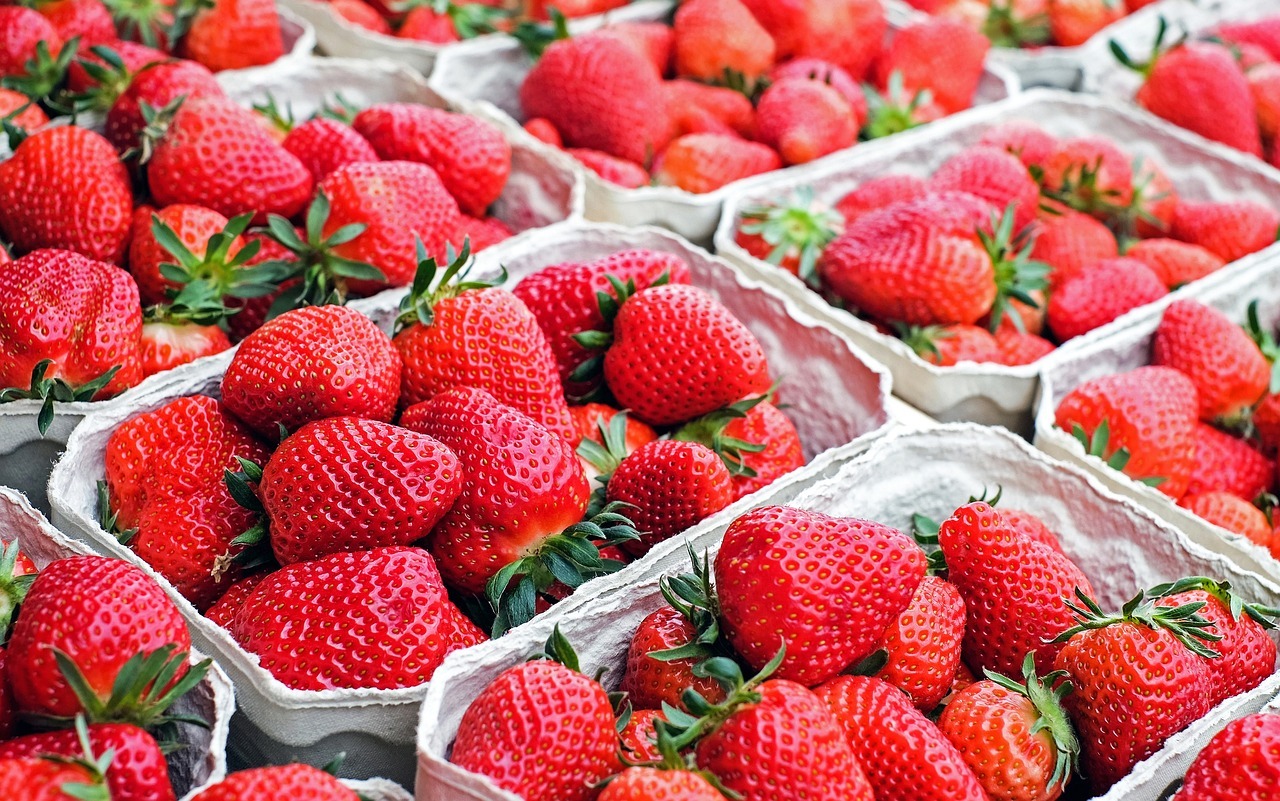
Trays for fruits and vegetables
-
Bags for snacks and cereals
-
Wrappers for meat and dairy products
-
Biodegradable coffee capsules
Packaging companies and major European supermarkets have shown interest in incorporating it into their sustainable product lines.
Obstacles and challenges
Although results are promising, barriers remain for large-scale implementation:
-
Production costs: Biopolymers are still more expensive than conventional plastics.
-
Limited durability: Some biodegradable materials may have a shorter shelf life.
-
Adaptation to existing machinery: Industrial packaging lines must be adjusted.
Nevertheless, public policies and tax incentives could accelerate widespread adoption.
Scientific innovation for the planet
These advances are part of a global shift toward a circular economy, where products are designed from the outset to be reused or reintegrated into the environment without harm.
The European Union, for example, has launched initiatives such as the European Green Deal, promoting sustainable materials throughout the production and distribution chain.
What can consumers do?
While technological development is crucial, consumer participation also matters. Here are some actions you can take:
-
Choose products with biodegradable or compostable packaging.
-
Separate waste correctly and compost whenever possible.
-
Support brands committed to sustainability.
-
Inform others about plastic pollution and available alternatives.


