


CopenPay: Copenhagen’s Sustainable Tourism Program for Responsible Travelers
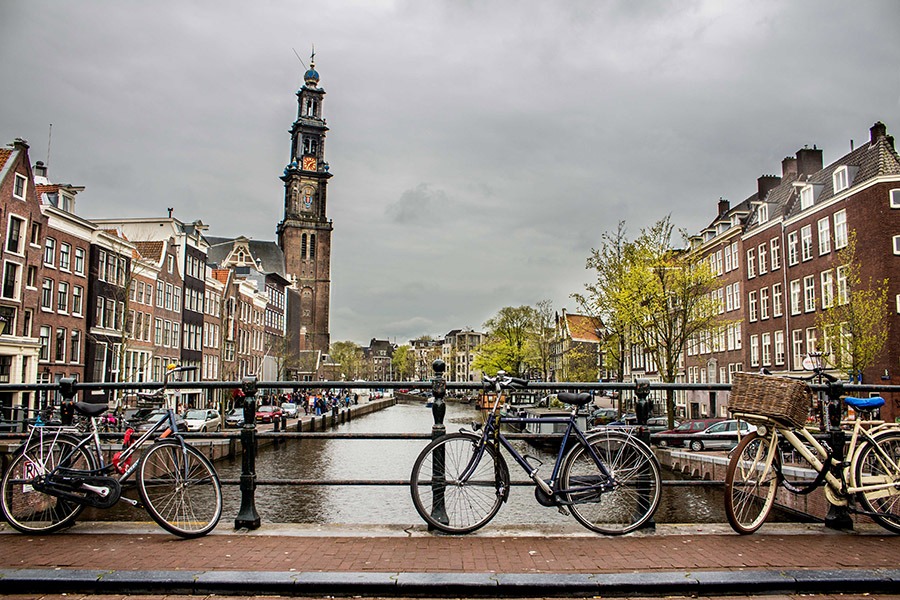
In an era where mass tourism threatens the ecological balance of many cities worldwide, Copenhagen stands out as a model by implementing tourism policies focused on sustainability. The Danish capital has relaunched its innovative CopenPay program, an initiative that rewards responsible tourists with free access to cultural and leisure experiences.
What is the CopenPay Program?
CopenPay is an eco-incentive system designed by Visit Copenhagen, the city’s official tourism office. The concept is simple but powerful: reward those who adopt sustainable behaviors during their stay in the city. The program will be available in summer 2025, from May 15 to August 31.
Participation is voluntary and open to all visitors. Tourists simply need to demonstrate a sustainable action—such as cycling, participating in park cleanups, reducing plastic use, or consuming local products—to receive rewards in the form of free or discounted access to over 90 cultural activities and attractions.
Sustainable Actions that Unlock Rewards
Examples of behaviors that qualify for program benefits include:
-
Using the bicycle as the main mode of transport (Copenhagen has more bikes than cars).
-
Participating in community cleanups of parks or beaches.
-
Saving energy and water at your accommodation.
-
Avoiding plastic packaging and carrying reusable bags.
-
Shopping at local and sustainable markets.
-
Sharing green actions on social media using official hashtags like #CopenPay or #GreenCopenhagen.
Proof of actions is submitted at tourist information centers or directly at participating attractions, via photos, tickets, or digital confirmations.
Included Attractions
Participants can enjoy a diverse cultural offer for free or at discounted rates:
-
National Museum of Denmark
-
Danish Architecture Center
-
Nordic cooking workshops
-
Guided kayak tours of sustainable canals
-
Outdoor concerts powered by solar energy
-
Community art events in green neighborhoods
-
Yoga classes in urban parks
-
Access to botanical gardens and protected natural areas
This transforms the tourist experience: visitors not only explore sites but also integrate with the local community and contribute to environmental wellbeing.
Copenhagen: A Benchmark in Sustainability
Copenhagen has long been a leader in sustainability. The city has been awarded European Green Capital status and aims to become the world’s first carbon-neutral capital by 2025. Achieving this involves public electric transport, sustainable architecture, renewable energy, advanced recycling, and smart mobility policies.
Over 60% of citizens cycle daily, with more than 400 km of bike lanes integrated into the urban infrastructure. CopenPay reflects Copenhagen’s active environmental commitment.
Sustainable Tourism: A Growing Trend
Copenhagen’s initiative aligns with a global trend toward responsible tourism, also known as “slow tourism” or “purposeful travel.” According to the UN World Tourism Organization (UNWTO), over 70% of travelers consider sustainable practices important, and 55% are willing to pay more for eco-friendly services.
The CopenPay program responds innovatively: it doesn’t charge more for sustainability; it rewards it.
Lessons for the World
Copenhagen’s case serves as an example for other European capitals and global tourist destinations. In response to mass tourism that often degrades natural environments and overuses resources, a paradigm shift is needed: tourism as a tool for regeneration, not destruction.
Initiatives like CopenPay show that cities can educate, inspire, and mobilize visitors. Turning a simple bike ride into a key to cultural access is a creative way to foster environmental awareness without imposing restrictions or penalties.


