


Estonia: The Cleanest Country and Eco-Tourism Leader
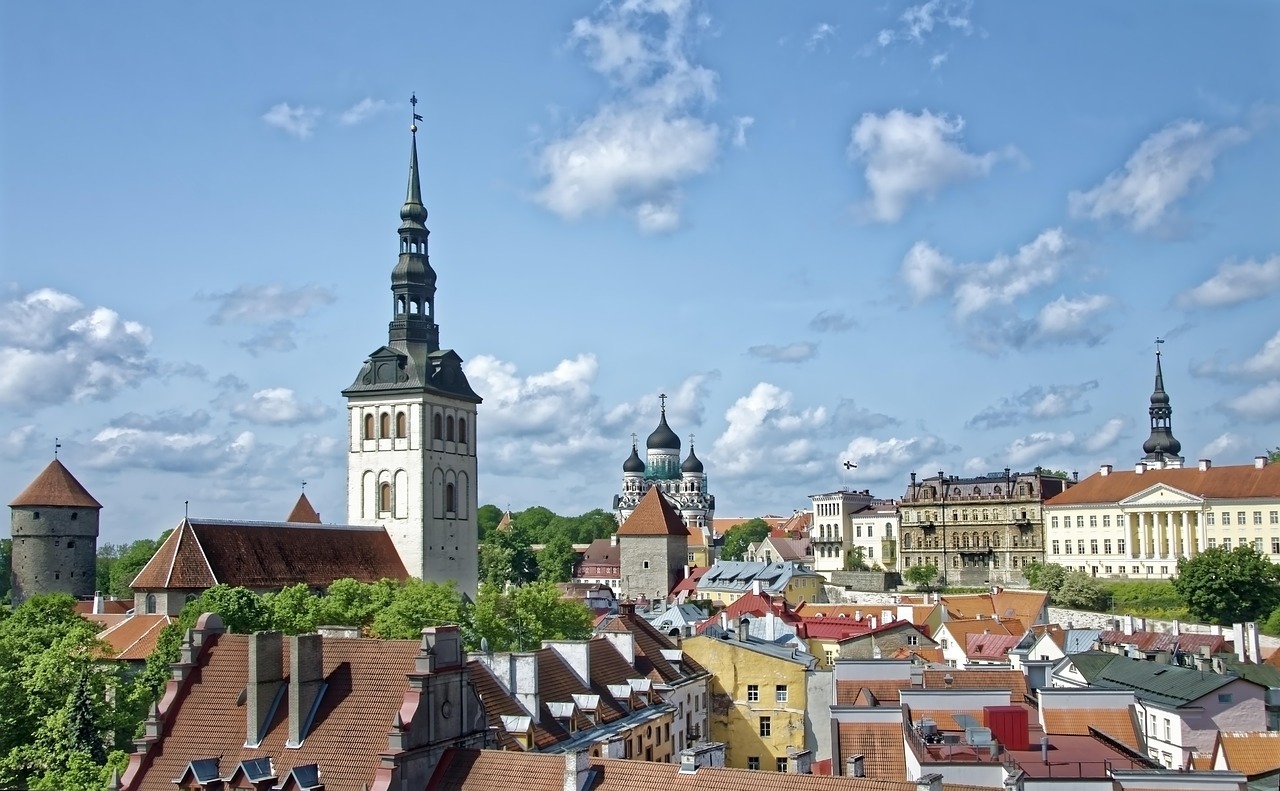
In 2025, Estonia was crowned the cleanest country in the world, according to the Environmental Performance Index (EPI), developed by Yale and Columbia Universities in collaboration with the World Economic Forum. With a score of 75.3, it leads the ranking thanks to an impressive 40% reduction in greenhouse gas emissions and a strong commitment to clean energies such as wind, solar, and biomass. These achievements not only improve the quality of life for its citizens but also position Estonia as a key destination for eco-tourism.
Why Estonia Leads the Sustainability Ranking
-
Massive emissions reduction: Estonia has reduced its emissions by 40% in the past decade, mainly by replacing oil shale with renewable energy.
-
Strong environmental values: Estonia stands out for biodiversity conservation and environmental health. While forest biomass use has impacted deforestation, the overall balance remains outstanding.
Pristine Nature and Eco-Friendly Experiences
Estonia offers some of Europe’s wildest landscapes, from ancient bogs to untouched coastlines. Euronews highlights:
-
Active and conscious tourism: Explore ancient bogs through specialized hikes, kayaking, or canoe trips to hidden restaurants like Hindreku Farm.
-
Free campgrounds and eco-lodging: The government offers hundreds of free campsites with essentials, and some cabins. Eco-friendly options include Hekso, a treehouse with a sauna, or Mesi Tare, a culturally significant stay.
Sustainable Cities: Inspiring Examples for Green Tourism
Tallinn, green capital: Named European Green Capital 2023, Tallinn promotes free public transport, clean urban spaces, and pedestrian mobility. It hosts over 60 annual events on sustainability, art, and nature. Restaurants like Fotografiska and Restaurant Soo earned Michelin Green Stars for zero-waste and local sourcing.
Tartu, cultural and green city: European Capital of Culture 2024 with the theme “Arts of Survival,” featuring innovative projects like “Curated Biodiversity.” Bike-sharing networks, biogas buses, and energy-renovated buildings reinforce its eco-urban focus.
Other sustainable destinations:
- Saaremaa: Part of UNESCO’s Man and Biosphere program, featuring natural parks, reserves, botanical trails, and circular economy initiatives.
- Pärnu: Coastal city recognized by Green Destinations for diverse nature, beaches, promenades, and green spaces.
Why Eco-Tourism is Important in Estonia
-
Natural authenticity: Experiences minimally intervened, from wild landscapes to farm-to-table dining and eco-conscious accommodations.
-
Green policies and culture: Shared sustainable values among citizens and government, reflected in urban and rural initiatives.
-
Responsible innovation: Estonia combines technology, culture, and nature, creating a living laboratory for respectful tourism.
Tips for Eco-Conscious Travelers
-
Choose green transportation: Use free public transport in Tallinn or shared bikes and biogas buses in Tartu.
-
Prioritize eco-certified lodging: Look for accommodations with Green Key or EHE certification.
-
Discover nature responsibly: Explore bogs, national parks, or islands using guided routes or eco-friendly apps.
-
Enjoy local culture: Opt for farm-to-table experiences, Green Star restaurants, or artisanal markets in Tallinn and beyond.


