


Innovative graphene sponge recovers gold from electronic waste efficiently
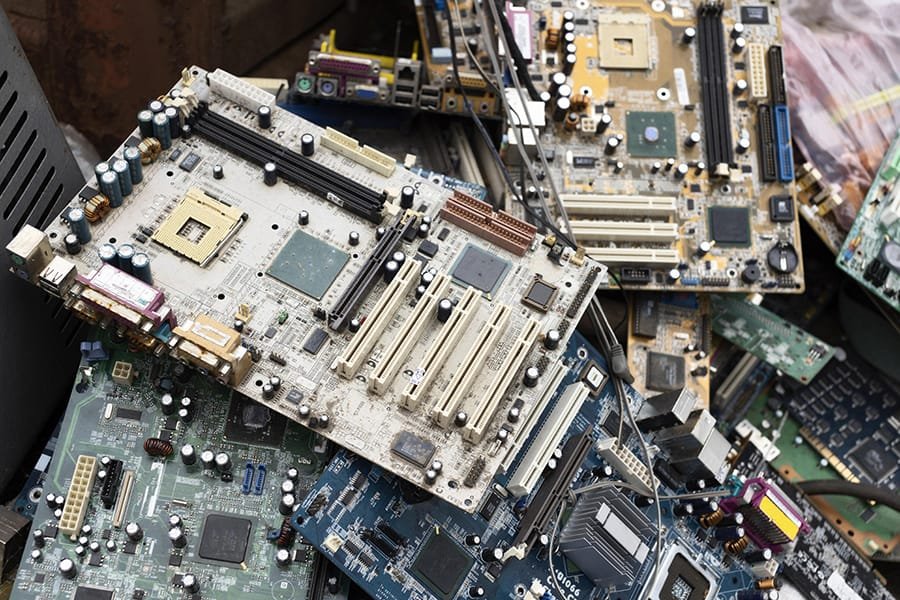
A team of researchers from the National University of Singapore has developed an innovative material capable of recovering gold from electronic waste with extraordinary efficiency. This technology, based on a sponge made of graphene oxide and chitosan, has proven to be up to ten times more effective than traditional extraction methods, marking a significant breakthrough in precious metal recycling and offering an economical and environmentally friendly alternative for gold recovery from electronic waste.
The science behind the “magic sponge” for gold recovery from e-waste
This innovative sponge, created from a molecular structure of graphene oxide and chitosan, works like a “magnet” for gold in discarded electronic components. Its composition allows it to absorb and transform gold ions found in old devices such as phones and computers into reusable gold, without the need for electricity or complex machinery. The key to its efficiency lies in the structure of the material, which enables rapid ionic absorption without generating the toxic electronic waste commonly associated with traditional methods.
How it works: the magic of nanoscale gold recovery
The multidimensional structure of the sponge, described by scientists as a “cross-assembled nanoscale composite material,” uses two-dimensional graphene oxide and one-dimensional chitosan molecules. This three-dimensional network of nanostructures facilitates both the absorption and reduction of gold ions (Au³⁺ and Au⁺) through chemisorption mechanisms and optimized absorption kinetics, creating binding sites that cooperatively attract gold. This allows the sponge to recover an unprecedented amount of gold and convert it into a reusable form.
An efficient and sustainable method for gold recovery from electronic waste
This sponge stands out not only for its efficiency but also for its sustainable approach. Traditional gold recovery methods from electronic waste often involve harsh chemicals that pollute the environment and require large amounts of energy. In contrast, this sponge significantly reduces toxic residues by eliminating polluting chemicals, aligning with the principles of the circular economy and promoting cleaner waste management.
Additionally, Singapore researchers conducted tests using electronic waste supplied by recycling companies, successfully recovering approximately 17 grams of Au³⁺ ions and more than 6 grams of Au⁺ per gram of sponge. These results greatly surpass those achieved by other technologies, reinforcing the effectiveness and value of this material for high-purity gold recovery.
Potential impact on sustainability and the circular economy
The development of this graphene oxide and chitosan sponge could redefine the precious metals recycling industry. By reducing the environmental impact of gold recovery, this innovation promotes a more profitable and accessible recycling cycle that helps reduce dependence on traditional mining, which is resource-intensive and environmentally harmful.
The optimized gold recovery process also represents an economically viable alternative, allowing recycling companies to recover gold without incurring the high energy and operational costs of conventional methods. This could make electronic waste recycling more attractive and sustainable, encouraging more efficient use of existing resources.
Scalability and the future of gold recovery technology
Although this sponge represents a significant advance in gold recovery from electronic waste, its large-scale industrial application still faces challenges. Researchers are currently focused on improving the material’s absorption capacity and testing its durability in industrial environments to ensure its viability in large-scale recycling processes.
The research team is working to adapt this technology for industrial-scale use, which could have a major impact on reducing electronic waste and recovering valuable materials. This advancement not only opens new possibilities for precious metal recycling but also serves as a model of how materials science can help solve environmental and economic challenges by creating a more sustainable resource cycle.
Conclusion: towards a more sustainable future
This discovery by the National University of Singapore marks a milestone in gold recovery from discarded electronic devices, providing a highly efficient and eco-friendly solution to a global problem. The graphene oxide and chitosan sponge could change the paradigm of precious metals recycling, enabling cleaner and more profitable recycling practices that support a sustainable future.
Technology continues to advance, bringing with it the promise of more efficient recycling that harnesses valuable resources from electronic waste without harming the environment.


