


Green roofs: sustainable solutions for smart cities to fight urban heat
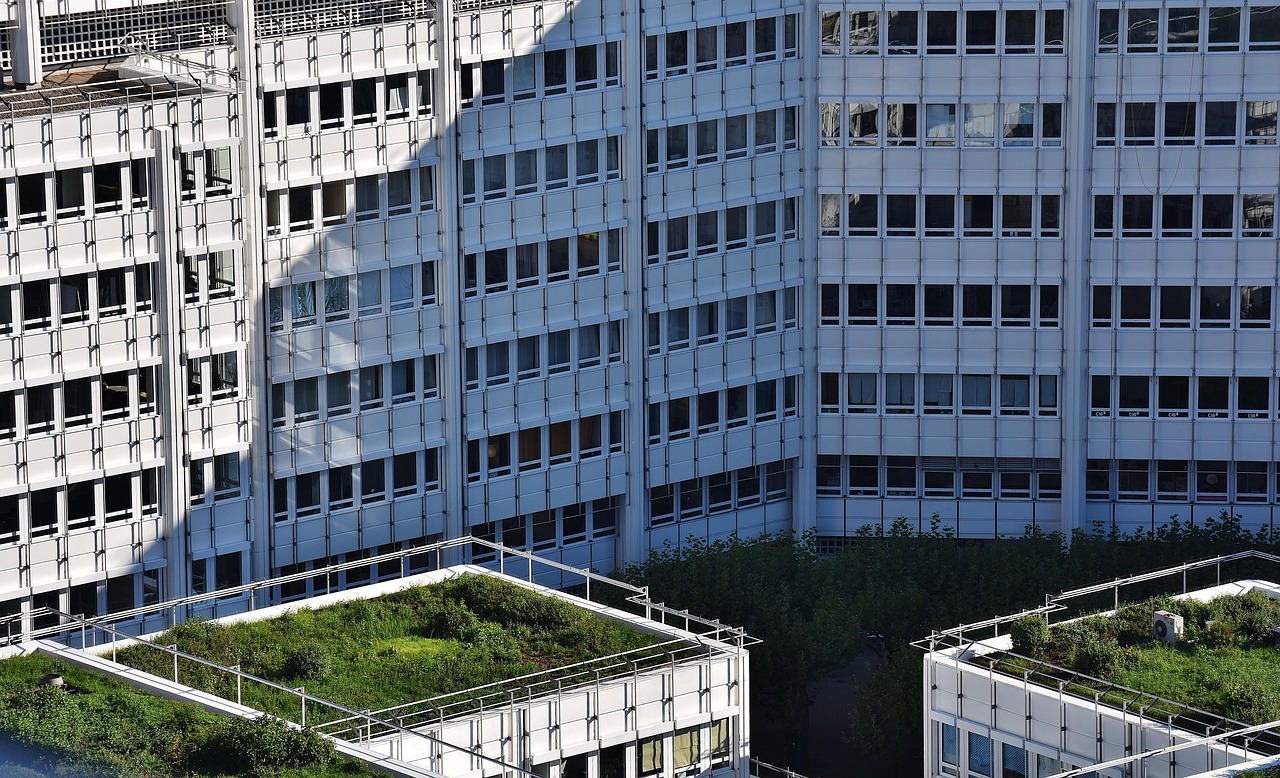
In response to the growing challenge of urban heat, many smart cities are implementing sustainable solutions to tackle this phenomenon effectively. One of the most notable strategies is the installation of green roofs, which not only help reduce high temperatures in densely populated areas, but also improve building energy efficiency and promote better air quality.
These initiatives are even more relevant in the context of rising temperatures, a problem closely linked to climate change whose effects are already being felt worldwide.
Cities such as Toronto, Paris, Singapore, Buenos Aires, and New York have begun incorporating green infrastructure into urban planning, recognizing its potential to transform the urban environment. But why are green roofs becoming so prominent in 21st-century city design? And how do they connect with global efforts to address an increasingly urgent climate crisis?
What are green roofs?
Green roofs (also called vegetated roofs) are systems that allow vegetation to grow on building rooftops. They consist of multiple layers including waterproofing, drainage, substrate, and plants, and can be installed on private homes as well as corporate or governmental buildings.
There are two main types:
-
Extensive green roofs: lighter, low-maintenance, with short vegetation.
-
Intensive green roofs: support larger plants, even trees, but require stronger structures and constant care.
How do they help fight urban heat?
The urban heat island effect occurs when hard surfaces (asphalt, concrete, rooftops) absorb and retain heat, raising local temperatures up to 5 °C higher than surrounding rural areas.
Green roofs mitigate this effect through:
-
Evapotranspiration: plants release water vapor, cooling the environment.
-
Thermal insulation: reducing the need for indoor air conditioning.
-
Solar reflection: vegetation absorbs less heat than conventional surfaces.
According to a study by the U.S. Environmental Protection Agency (EPA), a single green roof can reduce surface temperatures by 20 to 40 °C in summer compared to a traditional roof.
Additional benefits of green roofs in smart cities
-
Air quality improvement
Plants capture pollutants and CO₂, purifying urban air. -
Stormwater management
Can retain 50–90% of rainwater, relieving stress on sewer systems. -
Acoustic insulation
Reduces noise pollution, creating quieter spaces. -
Biodiversity increase
Provides habitats for birds, insects, and pollinators. -
Property value
Buildings with green roofs often have higher market value and appeal.
Success stories around the world
Toronto, Canada
The first North American city to implement mandatory green roof ordinances for new developments. Currently, over 500 buildings have vegetated roofs.
Singapore
Known as a “garden city,” it promotes green roofs and walls through subsidies and regulations. The Parkroyal building features over 15,000 m² of rooftop gardens.
Paris, France
Since 2016, new commercial buildings must include green roofs or solar panels. The “Parisculteurs” project aims to add 100 hectares of urban agriculture by 2030.
Buenos Aires, Argentina
Promotes urban sustainability policies, including tax incentives for owners who install green roofs, especially in high-density areas.
Challenges and barriers to adoption
Although benefits are many, obstacles slow implementation:
-
High initial costs
Installation can be 20–50% more expensive than conventional roofs. -
Ongoing maintenance
Intensive systems require trained personnel for upkeep. -
Lack of regulation or incentives
Many cities still lack policies promoting green roofs.
Nevertheless, studies suggest that long-term returns (energy savings and environmental benefits) far outweigh initial costs.
Role of green roofs in smart cities
Smart cities integrate technology, infrastructure, and sustainability to improve residents’ lives. Green roofs provide environmental, energy, and social benefits in this context.
With sensors, automated irrigation, and AI, modern green roofs can monitor their health in real-time, optimizing water use and detecting issues early.
What can you do at home?
While green roofs are often associated with large buildings, there are now accessible kits for homes, small terraces, and balconies. Implementing a small green system at home can significantly help reduce heat and improve local air quality.
Steps to start:
-
Assess your roof or terrace and consult a professional to ensure it can support the weight.
-
Choose native, climate-resistant, low-maintenance plants.
-
Use a lightweight substrate, good drainage, and install a waterproof layer.
-
If possible, add a rainwater collection system for efficient irrigation.
Even without outdoor space, indoor plants can help regulate temperature, humidity, and purify air, while creating a greener home environment.


