


Hidden communication technology in Chinese solar equipment raises US security concerns
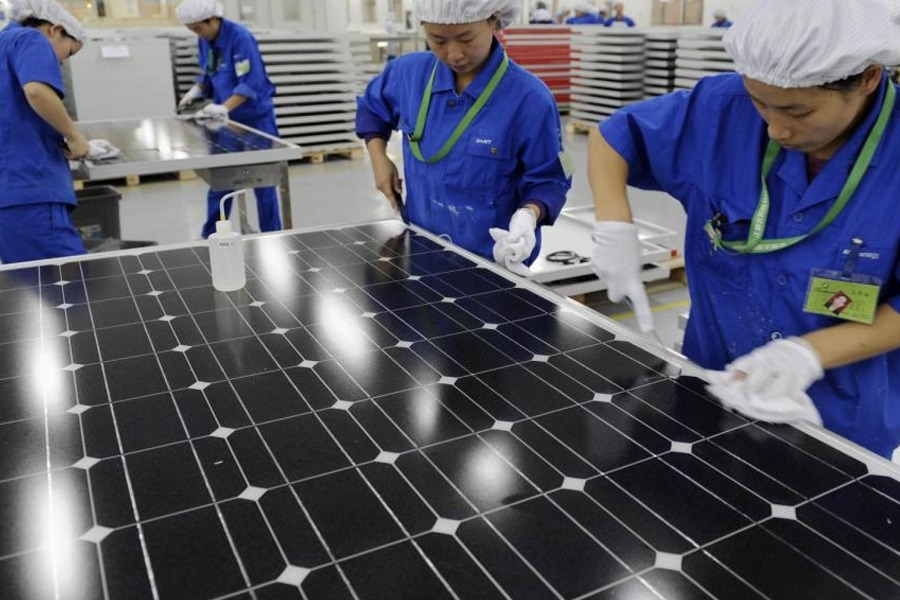
In May 2025, the United States raised a national security alarm after detecting undocumented communication technology in solar equipment manufactured by Chinese companies. This finding, revealed in an investigation published by Reuters, has reignited fears about foreign control over critical energy infrastructure.
What exactly was found in the solar equipment?
Researchers detected hidden cellular radios and other communication devices in solar inverters and batteries manufactured in China. These components were not specified in the technical documentation provided by manufacturers, triggering serious concerns among intelligence agencies and cybersecurity experts.
In particular, it was discovered that these radios could send and receive signals that bypass firewall systems, potentially allowing third parties to access connected electrical systems. In other words, this represents a “backdoor” that could be used to disrupt or manipulate the electricity supply on a large scale.
Why are solar inverters so important?
Solar inverters play a critical role in photovoltaic installations, as they convert the direct current generated by solar panels into alternating current suitable for household use or grid injection. Their proper operation is essential to ensure a stable and secure energy supply for millions of homes.
This component becomes even more relevant in the current context, as solar self-consumption is reaching historic levels. In Spain, for example, 2025 marked a record number of households generating their own energy through solar panels, consolidating an unstoppable trend toward energy independence. However, this expansion also introduces new cybersecurity challenges. Unauthorized remote access to these inverters could allow entire systems to be shut down, performance altered, or even cause grid instability.
In countries like the United States, where solar installations have expanded massively over the past decade, the risk of external manipulation of these devices represents a critical threat to national energy security.
An incident that raised the alarm
In November 2024, several solar inverters installed in the US stopped functioning simultaneously. Subsequent investigations revealed that this was a remote shutdown executed from servers located in China. Although authorities initially downplayed the impact, this incident marked the beginning of a comprehensive review of imported equipment used in energy installations.
The response of the US government
The US Department of Energy, in collaboration with other federal agencies, has launched a systematic review of components used in renewable energy projects. In addition, new regulations are being drafted to require full disclosure of all software and hardware elements included in imported equipment.
Legal restrictions have also been proposed that would limit, starting in 2027, the purchase of batteries and other energy storage devices from Chinese companies with ties to the Communist Party government.
Which companies are under scrutiny?
Chinese companies causing the greatest concern for US authorities include Huawei, Sungrow and Ginlong Solis, which dominate the global solar inverter market. These firms have a strong presence in Europe and Latin America, increasing concerns about potential global-scale manipulation.
Although these companies deny any involvement in malicious activities, the findings have prompted governments in other countries to also assess the potential risks to their critical infrastructure.
International repercussions
NATO member states such as Lithuania and Estonia have already begun reviewing the technologies used in their power grids. The United Kingdom is also considering new measures to avoid reliance on technologies from countries deemed strategically risky.
This issue could also affect international trade, as some countries may impose tariffs or bans on Chinese-made equipment.
Is this a real risk or a political reaction?
Some analysts believe these actions may be partly driven by the technological and trade conflict between China and the United States. However, the technical findings have been verified by multiple independent entities, supporting concerns that these devices pose a genuine threat.
Moreover, in an increasingly digital world where even energy infrastructure depends on connectivity, cybersecurity risks are no longer theoretical.


