


Passive cooling for data centers: the sustainable alternative to reduce energy and water consumption
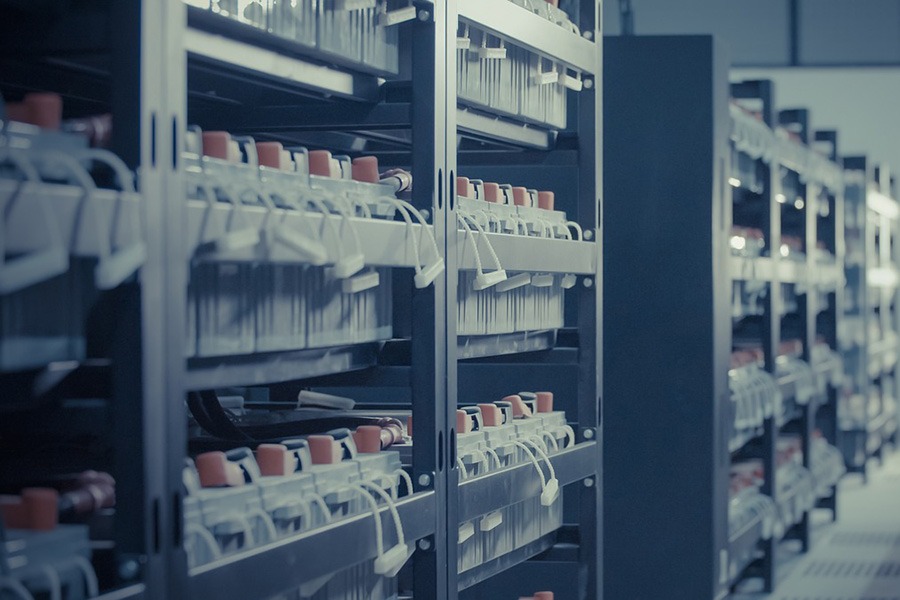
In the era of accelerated digitalization, data centers are the heart of the global technological infrastructure. They are responsible for storing and processing the data that support everything from social networks to cloud services, including artificial intelligence, streaming platforms, financial transactions, and government systems. However, this digital revolution entails a significant environmental impact, particularly in terms of energy consumption and water use.
According to the International Energy Agency (IEA), data centers accounted for around 1–1.3% of global electricity consumption in 2022, a figure expected to increase as digital services and generative artificial intelligence continue to grow. A significant portion of this consumption comes from cooling systems designed to prevent equipment overheating.
The problem: resource-intensive active cooling
Traditional cooling systems in data centers rely mainly on active techniques such as industrial air conditioning, liquid cooling, or evaporative cooling towers. These solutions require large amounts of electricity and water, especially in hot and humid climates. For example, a 15-megawatt data center can consume up to 360,000 liters of water per day for cooling, according to the Uptime Institute.
Moreover, in regions with water scarcity such as California, the United Arab Emirates, or parts of southern Spain, this model becomes unsustainable. Carbon emissions associated with electricity generated from fossil fuels further exacerbate the environmental footprint of this infrastructure.
The alternative: passive cooling based on natural principles
In response to these challenges, researchers and technology companies are turning to an alternative: passive cooling, a technique that minimizes or eliminates the use of electricity in heat dissipation. These solutions are based on:
-
Natural convection: using natural air movement to remove heat.
-
Thermal radiation: releasing heat through infrared waves into the environment.
-
Radiative sky cooling: a technique that dissipates heat directly into space via infrared radiation, even under sunlight.
-
Advanced reflective and insulating materials: which reduce external heat absorption and improve thermal efficiency.
A notable example is a project by the University of California, San Diego (UC San Diego), where a specialized coating was developed that reflects 95% of solar radiation and emits infrared heat into the atmosphere. This allows structures to cool without electricity, even in full daylight. This technique, known as radiative sky cooling, is inspired by natural nighttime cooling phenomena observed in desert regions.
Promising results and tangible benefits
Pilot tests using this technology have shown temperature reductions of between 4 and 10 degrees Celsius, which can translate into up to 35% lower energy consumption for air conditioning. Additionally, by reducing or eliminating evaporative cooling towers, a significant reduction in water use is achieved.
The main benefits include:
-
Reduced total electricity consumption
-
Substantial savings in potable water
-
Lower CO₂ emissions
-
Lower long-term operating costs
-
Greater resilience to energy or water crises
Real-world cases and adoption by major tech companies
Leading companies such as Google, Microsoft, and Meta are already exploring and implementing passive strategies in some of their data centers. In Sweden, Microsoft operates data centers that leverage cold climates and natural ventilation to minimize the use of active systems. In Singapore, government regulations on water use in technological facilities have accelerated the adoption of hybrid and passive solutions.
In India and the Middle East, where extreme temperatures and water scarcity are constant challenges, these technologies are being evaluated as part of new design standards.
An ideal complement to renewable energy
A key advantage of passive cooling is that it integrates easily with other sustainable solutions. By requiring less energy, it improves the overall efficiency of systems powered by solar panels, batteries, or microgrids. It also facilitates the design of modular data centers or facilities located in remote areas where access to conventional energy is limited.
The combination of passive cooling, renewable energy, and bioclimatic architecture represents the future of carbon-neutral data centers.
Challenges to overcome
Although the technology is promising, it still faces barriers to widespread adoption:
-
High initial implementation costs
-
Geographical limitations (effectiveness varies depending on climate)
-
The need to redesign existing infrastructure
-
Lack of awareness or common standards
However, initiatives such as the Climate Neutral Data Centre Pact in Europe and certifications like LEED, Energy Star for Data Centers, and ASHRAE are promoting more sustainable practices through incentives and regulations.


