


Pets reshape Spanish homes and cities: towards a pet-friendly and sustainable model
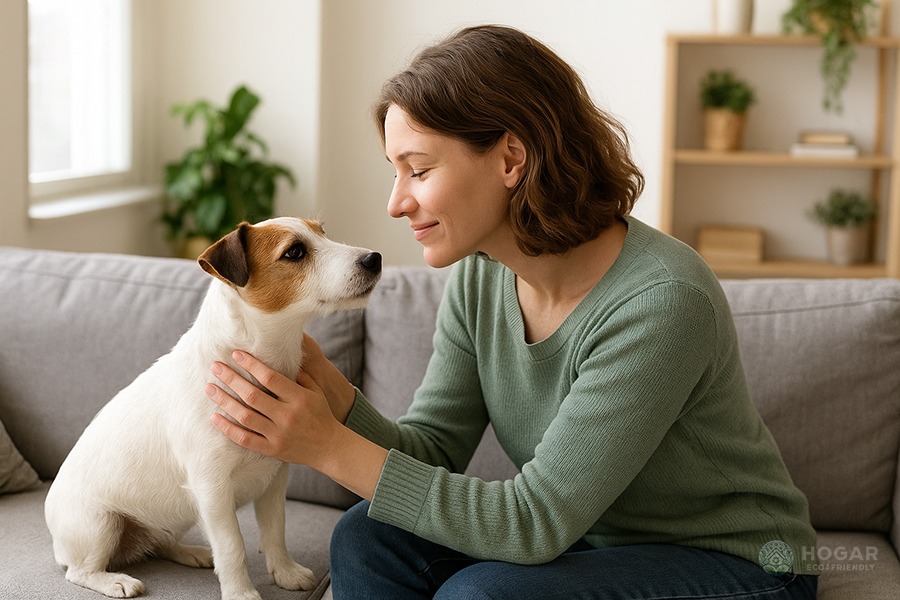
In Spain, the home is no longer designed exclusively for people. Increasingly, pets have become a determining factor when shaping domestic environments, both in private housing and in urban planning. With nearly half of households sharing daily life with a companion animal, the need for spaces adapted to animal welfare and healthy coexistence has become a central issue in modern life.
A growing population: millions of pets transforming society
It is estimated that around 27 million pets, including dogs, cats and other companion animals, live in Spain. This figure reflects sustained growth in recent years and highlights the scale of the phenomenon. The direct result is growing pressure on homes, streets, parks and businesses to adapt to a reality in which animals are a fundamental part of the family.
Pet owners are calling for more green spaces, dedicated recreation areas and safe environments where their companions can exercise, socialise and enjoy a healthy setting. In large cities, demand is even higher: 77% of owners consider the amount of urban green areas for animals to be insufficient. The lack of suitable infrastructure creates tensions in neighbourhood coexistence and limits quality of life.
Another recurring obstacle is access to commercial establishments. Only one in five owners is aware of venues where pets are welcome, while nearly half report having experienced rejection when trying to enter restaurants, cafés or shops accompanied by their animals. This reality has driven the “pet-friendly” concept beyond a trend, turning it into a genuine social demand.
What Spanish pet parents really want
Those who live with pets agree on three key demands that could transform the way cities and homes are organised:
-
More safe parks and green areas, with differentiated spaces, water fountains and adapted urban furniture.
-
Inclusive shops and venues, where the presence of animals is not an obstacle but an opportunity for shared leisure and consumption.
-
Specialised daycare and care services, enabling people to balance work and social life while ensuring animal welfare in safe, hygienic and stimulating environments.
These demands, increasingly supported by citizens, aim not only to improve animals’ lives but also to ease work-life balance and reduce owners’ stress.
An expanding market with a strong emotional component
The bond between people and pets has never been stronger. For millions of families, dogs and cats are no longer mere companions but full members of the family. This shift is reflected in consumption habits, leisure planning and even travel decisions.
Average annual spending on pet care exceeds €1,700, including food, veterinary care, insurance, hygiene, accessories, grooming services and leisure activities. It is increasingly common to allocate budgets to gifts, family photo sessions with pets or including them in celebrations such as birthdays or Christmas.
This influence also extends to tourism: over 40% of owners look for pet-friendly accommodation and leisure options, while only a small minority never travel with their animals. As a result, hotels, campsites and shopping centres have been forced to adapt their offerings or risk losing a significant share of the market.
Eco-friendly vision: homes and cities that care for everyone
This reality raises a key question: how can homes and urban spaces adapt without sacrificing sustainability? The answer lies in applying environmentally respectful design principles that are also functional for animals.
Clear strategies include:
-
Sustainable urban green areas with native vegetation, non-slip surfaces, recycled water points and low-impact urban furniture.
-
Eco-conscious pet-friendly venues offering reusable water bowls, clear signage and recycled or biodegradable materials.
-
Eco daycare centres and residences with energy efficiency, responsible climate control and chemical-free cleaning products.
-
Eco pet-friendly home furniture, such as easy-clean fabrics, non-toxic paints and certified accessories that combine durability with environmental respect.
Pet owners also seek practical day-to-day solutions. On our website, we offer a curated selection of products for pet care and wellbeing, designed to provide comfort while respecting sustainability values.
Shared benefits for people, pets and the environment
The integration of sustainable pet-friendly spaces brings multiple advantages:
-
Holistic wellbeing: pets enjoy healthier, more active lives, while owners reduce stress and strengthen emotional bonds.
-
Positive ecological impact: increased urban green spaces help reduce pollution, boost biodiversity and balance city microclimates.
-
Local economic appeal: pet-friendly businesses build loyalty, attract more customers and enhance their reputation.
-
Responsible consumption: choosing recycled materials, local products and eco solutions benefits both the planet and local communities.
Caring for pets also means reflecting on their environmental impact. From food choices to waste management, every decision matters. If you want to take another step towards a responsible lifestyle, we invite you to read our guide on how to reduce the environmental impact of your pets.


