


Recyclable furniture and eco-design: sustainable interiors
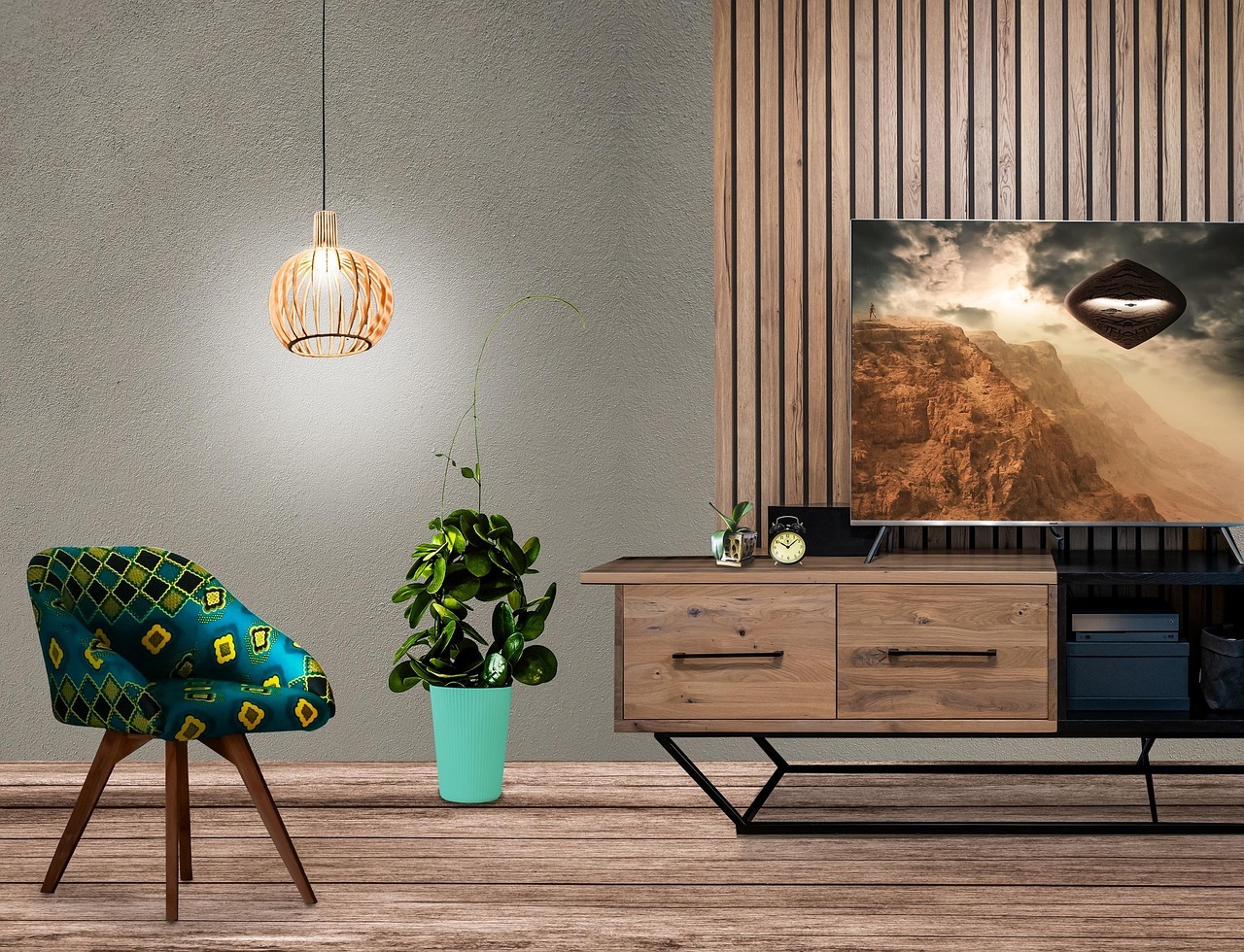
In the era of sustainability, interior design and home decoration have experienced a green revolution. Eco-design—an approach that integrates environmental criteria into product creation—is rapidly gaining ground, especially in the market for recyclable furniture. Increasingly, modern homes choose furniture that not only provides aesthetics and functionality but also respects the environment and promotes a circular economy.
This movement towards recyclable furniture responds to growing demand from conscious consumers, who aim to minimize their ecological footprint without sacrificing style and comfort. This article explores why eco-design is booming, how these pieces are made, and the advantages of integrating recyclable furniture into homes.
What is eco-design and why does it matter?
Eco-design is a product development methodology that prioritizes efficient resource use, waste reduction, and environmental impact across the entire product lifecycle. In the furniture sector, this translates into:
- Selection of sustainable and recycled materials
- Design for easy disassembly and future recycling
- Minimization of polluting processes
- Creation of durable and repairable products
Eco-design addresses the urgent need to reduce overexploitation of natural resources and waste generation, aligning with global goals like the circular economy and combating climate change.
Most common recyclable materials in modern furniture
Recyclable furniture is made from materials that can be reused or transformed at the end of their life cycle, avoiding landfill disposal. The most common materials include:
- Recycled wood: sourced from pallets, carpentry scraps, or old furniture, providing warmth and durability.
- Recycled plastics: used for molded parts or upholstery, reducing reliance on virgin plastics.
- Recycled metal: recovered aluminum and steel, lightweight and durable.
- Recycled glass: for surfaces or decorations that offer style and sustainability.
- Innovative materials: recycled natural fibers such as cork or wool are gaining popularity.
The recyclable furniture market is booming
According to McKinsey & Company, the global sustainable furniture market will grow at an annual rate of 10% over the next decade, driven mainly by eco-design and new environmental regulations.
In Europe and North America, young and middle-aged consumers lead this trend, seeking unique and responsible pieces. Renowned stores and brands have launched entire collections of recyclable furniture, from chairs and tables to sofas and shelves.
Benefits of choosing recyclable furniture for your home
- Reduced environmental impact
Reusing materials prevents deforestation, mining, and new plastic production. - Promotion of circular economy
Recyclable furniture fosters closed cycles where materials remain in use, reducing pressure on natural resources. - Unique and personalized design
The nature of recycled materials gives character and exclusivity to each piece, ideal for modern homes seeking authenticity. - Quality and durability
Far from fragile, many recyclable furniture pieces are designed to last, with finishes ensuring strength and functionality. - Contribution to social awareness
Purchasing recyclable furniture supports ethical and responsible business practices.
How to identify recyclable and eco-friendly furniture when buying
To ensure furniture meets recyclability and eco-design criteria, consider:
- Look for certifications like FSC (Forest Stewardship Council) for responsibly sourced wood or circular economy labels.
- Ask about material origins and repair or recycling possibilities.
- Prioritize products with clear instructions for disassembly and end-of-life management.
- Check if the brand offers collection or buy-back services to recycle or reuse old furniture.
Top sustainable recyclable furniture brands
Interest in eco-design has driven brands to develop collections combining style, functionality, and sustainability. Leading brands include:
IKEA – Circular Hub and sustainable collections
IKEA has advanced with its “Circular Hub” initiative, facilitating buying and selling recycled and second-hand furniture. They also offer lines using FSC-certified wood and recycled plastics.
Vitra – Innovation in recycling and design
Vitra produces furniture using post-consumer recycled plastics and offers recycling programs. Their contemporary, durable design is recognized worldwide, emphasizing quality and environmental commitment.
Emeco – Durability with recycled aluminum
Known for its “Navy Chair” made from recycled aluminum, Emeco stands out for robust, recyclable industrial-style furniture.
Pentatonic – From waste to design
Pentatonic transforms post-consumer waste into stylish, functional furniture, promoting a circular economy through exclusive innovation and design.
Muuto – Sustainable minimalism
Muuto offers furniture using recycled materials and sustainable processes, ideal for those seeking clean, functional Scandinavian design.
How to choose the ideal brand
When looking for recyclable furniture, consider:
- Environmental certifications ensuring sustainable practices
- Repair and recycling options at the product’s end of life
- Brand transparency and commitment to sustainability
- Design and style compatibility with your space
Integrating recyclable furniture from responsible brands is an effective way to contribute to environmental care while decorating consciously. Eco-design transforms not only homes but the future of the planet.


