


Seville: A Global Leader in Urban Climate Innovation
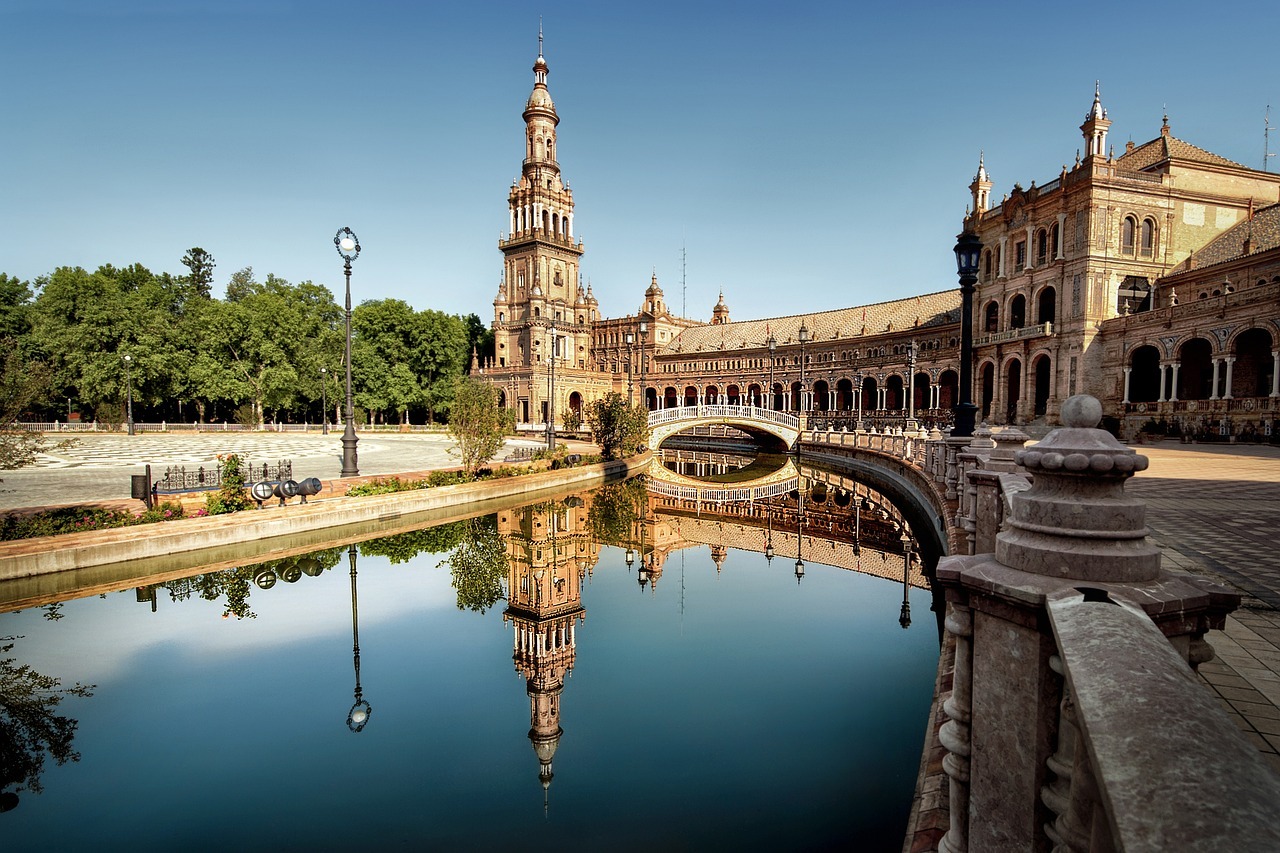
In the heart of Andalusia, Seville has become a global reference in climate innovation, tackling heat waves with a portfolio of pioneering urban and social projects. The city, nicknamed the “frying pan of Spain,” attracts international attention by reviving ancient techniques and deploying cutting-edge solutions to face extreme temperatures that already reach 46 °C in the region.
Cartuja Qanat: bioclimatization with ancient techniques
One of the most notable initiatives is Cartuja Qanat, inspired by ancient Persian underground cooling systems. This project transforms Avenida Tomás Alva Edison (Isla de la Cartuja) into an urban laboratory, using qanats—tunnels with flowing cold water—combined with ceramic pavements, vegetated pergolas, solar chimneys, and smart sensors to create a cooler microclimate. This system is expected to reduce ambient temperature by up to 10 °C, all powered by renewable energy with zero emissions.
LIFE Watercool: streets that cool
Meanwhile, the LIFE Watercool project is transforming Avenida de la Cruz Roja and other urban spaces through water-based and bioclimatic renovations. This urban lab, applicable to bus stops, schools, and public squares, can reduce surface temperature by 5 to 10 °C and cut 50–70% of energy consumption for heating and cooling.
proMETEO Seville: naming heat waves to fight them
Another unique initiative is proMETEO Seville, the world’s first project that classifies and names heat waves as if they were hurricanes, with names like “Zoe” or “Yago.” This strategy aims to raise awareness of these diffuse threats, alert the public to their impact, and motivate preventive action, as demonstrated during Seville’s “Zoe” wave that reached 43 °C.
Bioclimatization in schools: urgent education
Heat waves have severely affected schools. At CEIP San Jacinto in Triana, classrooms exceed 37–38 °C, sparking protests and demands for immediate implementation of the bioclimatization plan approved by the Junta. This highlights the urgency of bringing sustainable solutions to the most vulnerable spaces: children.
Urban planning and architecture: climate justice through shade
Nuria Canivell, dean of the Seville College of Architects, emphasizes that architecture is key to transforming urban environments and combating extreme heat. She proposes interventions such as more vegetation, shade, appropriate materials, and cool pavements, especially in vulnerable neighborhoods, as part of urban planning based on climate justice. This complements technical initiatives with a social and territorial approach.
Why Seville excels in climate innovation?
Seville successfully combines:
- Ancient techniques and modern technologies to create livable urban microclimates.
- Innovative awareness strategies, such as naming heat waves.
- Structured action in public spaces, schools, and visible planning.
- A cross-cutting commitment involving city, government, universities, researchers, and citizens.
These efforts explain why international media, including Canadian outlets, highlight Seville as an urban model for global warming adaptation.
Conclusion
Seville demonstrates that urban climate innovation is not only feasible but necessary. Projects like Cartuja Qanat, LIFE Watercool, and proMETEO combine creativity, citizen participation, and technology to tackle extreme heat—inspiring, social, and replicable examples that other cities could adopt to adapt to the new climate.


