


Spain’s worst wildfire summer devastates protected natural areas
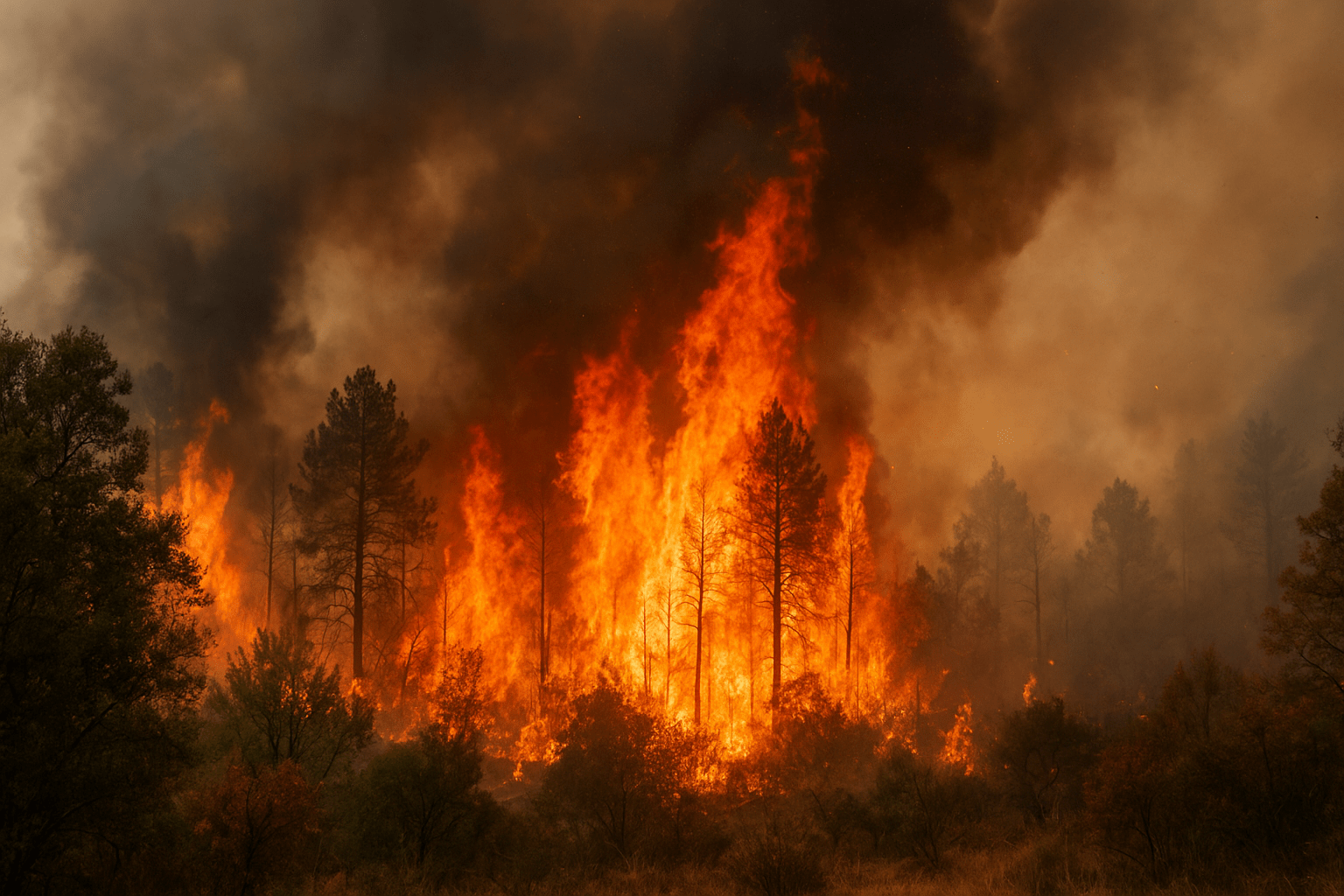
The summer of 2025 will be remembered as one of the darkest in Spain’s environmental history. During August, an unprecedented wave of wildfires burned more than 360,000 hectares across the country, around 160,000 of them within protected natural areas. These figures represent the most severe environmental devastation in decades, affecting sites included in the Natura 2000 Network, biosphere reserves and natural parks of incalculable ecological value.
The fires have not only left scorched landscapes behind: they have endangered threatened species, damaged essential ecosystem services and exposed Spain’s vulnerability to the effects of climate change.
The scale of environmental destruction
Satellite imagery confirms the magnitude of the disaster. In just a few weeks, wildfires destroyed over 360,000 hectares, an area larger than half of the Madrid region. The figure of 160,000 hectares burned in protected areas is particularly alarming, as it affects key zones for biodiversity and climate regulation.
The most damaged habitats include oak and beech forests, mountain wetlands, high-altitude grasslands and riverbank ecosystems. These areas are home to more than 395 species classified as threatened or vulnerable, including the Cantabrian capercaillie, the black stork, the Iberian brown bear, the Iberian wolf, and numerous amphibian and reptile species highly sensitive to habitat disruption.
Environmental damage goes far beyond vegetation loss. Wildfires alter soil structure, accelerate erosion, pollute rivers with ash and increase the risk of desertification across large areas of the peninsula. Ecosystem recovery will take decades and, in some cases, may be impossible without urgent restoration measures.
Factors behind the extreme severity of the fires
Experts agree these fires were far from normal. Several conditions combined to create a perfect storm:
-
Extreme heatwaves: August saw temperatures exceeding 44 °C in several provinces, with tropical nights preventing vegetation from recovering moisture.
-
Prolonged drought: months of water deficit left forests and scrubland extremely dry, acting as ideal fuel.
-
Strong winds: gusts above 60 km/h allowed flames to spread rapidly.
-
Biomass accumulation: rural land abandonment has led to fuel build-up, increasing fire intensity.
All of this is exacerbated by climate change, which is increasing the frequency and intensity of extreme events, resulting in longer, more aggressive and harder-to-control wildfires.
Government response and deployed resources
The scale of the crisis forced the government to launch an unprecedented emergency operation. At the peak of the fires, the response included:
-
56 aerial units, including planes and helicopters.
-
11 airborne brigades, with nearly 600 highly specialised forest firefighters.
-
Four integrated prevention teams reinforcing firebreaks and land clearing.
-
Seven analysis and planning units providing real-time data.
-
Support from national park firefighters and the Military Emergency Unit (UME).
Between 2018 and 2025, wildfire prevention and suppression budgets increased by nearly 50%, reaching €134 million in the latest campaign. However, critics argue that resources remain insufficient and unevenly distributed.
Impact on natural and cultural heritage
The consequences extend beyond forest loss. Several sites of high cultural and natural value were affected:
-
Las Médulas (León), a UNESCO World Heritage Site, narrowly avoided destruction, though its surrounding environment was severely damaged.
-
Lake Sanabria, one of the largest glacial ecosystems in the Iberian Peninsula, suffered damage to its catchment areas.
-
The Somiedo region, a key habitat for the brown bear, lost extensive pastureland and forests.
Experts warn that post-fire processes such as thermo-oxidation and salt infiltration may continue to degrade soils and archaeological remains for years.
What is at stake
The loss of 160,000 hectares of protected land threatens biodiversity and vital ecosystem services such as climate regulation, carbon sequestration, water recharge and flood prevention.
The economic impact is also severe. Rural and nature-based tourism, agriculture and mountain livestock farming will all suffer.
The cost is ecological, social and economic, hitting hardest in rural Spain, already affected by depopulation.
A call for a new management model
The August 2025 fires have exposed the limits of the current system. Growing voices are calling for a national pact on wildfires and climate change, including:
-
Active sustainable forest management.
-
Greater investment in prevention.
-
Long-term ecological restoration programmes.
-
Real coordination between administrations.
-
Environmental education to reduce human-caused fires.
Spain now faces a crucial challenge: learning to live with an increasingly extreme climate while protecting its natural heritage.


