


Teide National Park ecotax: a new step toward sustainable tourism in Tenerife
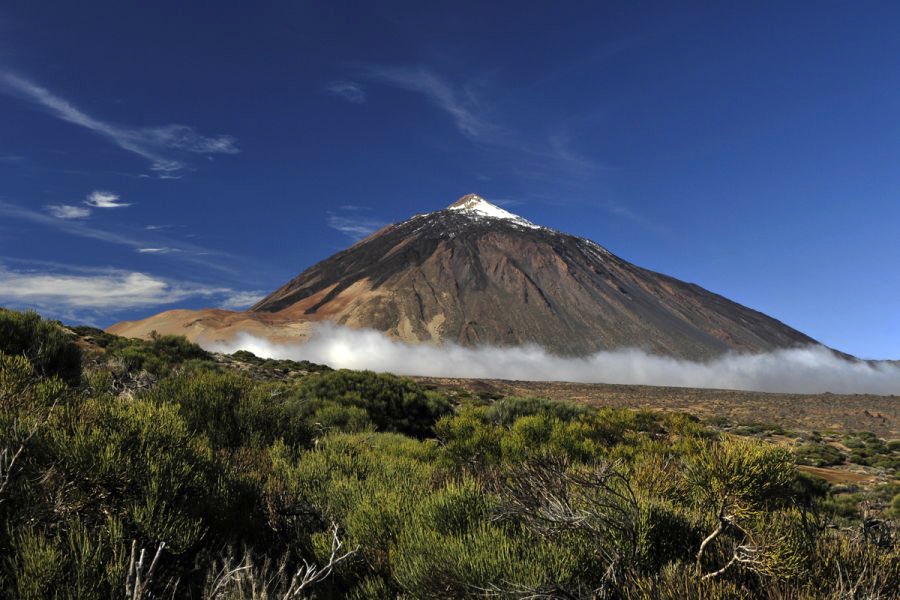
Located in the heart of the island of Tenerife, Teide National Park is not only one of Spain’s greatest natural treasures, but also an area of high ecological, geological and cultural value recognised internationally. At an altitude of 3,715 metres above sea level, Mount Teide holds the title of the highest peak in Spain and is the third tallest volcano on Earth when measured from its oceanic base. This impressive environment, declared a UNESCO World Heritage Site in 2007, is part of a vast protected area that receives more than 4 million visitors per year, making it the most visited national park in Europe and one of the busiest in the world.
However, this immense popularity brings significant challenges that put the sustainability of the environment to the test. Growing tourist pressure has raised serious concerns among scientists, environmental managers and local communities due to the ecological impact caused by heavy traffic, progressive trail degradation, soil erosion, disturbance of sensitive habitats and waste accumulation. Added to this is the difficulty of effectively managing a constant flow of visitors in a highly fragile natural space.
In this context, it is more urgent than ever to move towards a model of responsible tourism that prioritises conservation, limits negative impacts and promotes a more conscious and respectful experience with local ecosystems.
In response, the Tenerife Island Council has taken the initiative to apply stricter measures to ensure the long-term preservation of Mount Teide. Among the most notable is the implementation of an ecotax, an environmental levy that will come into force in 2026 as part of an ambitious plan to transform the tourism model towards sustainability.
What is the Teide ecotax and how will it work?
The ecotax, in practical terms, will be a mandatory fee paid by non-resident visitors accessing Teide National Park, particularly environmentally sensitive areas such as summit trails or routes departing from the cable car station.
Although the exact amount has yet to be defined, island authorities have confirmed that the funds raised will not be added to the general budget, but will be allocated exclusively to conservation work, ecological restoration, sustainable infrastructure maintenance and environmental education. It is therefore a direct funding mechanism designed to mitigate tourism impacts and strengthen the park’s ability to self-regulate human pressure.
According to Rosa Dávila, president of the Tenerife Island Council, the ecotax is not intended solely to generate revenue, but above all to “regulate capacity, organise access and raise visitor awareness”. The ultimate goal is to ensure that visiting Teide remains compatible with preserving its natural and cultural wealth for future generations.
A comprehensive plan: mobility, monitoring and reforestation
The ecotax is not an isolated measure, but part of a comprehensive strategic plan designed to transform the management model of the national park. This plan includes, among other initiatives, the following complementary actions:
Sustainable mobility
Electric shuttle services and regulated public transport will be introduced, especially during peak hours, to reduce the number of private vehicles accessing the park. This measure aims to minimise both polluting emissions and traffic congestion affecting main access roads such as the TF-21.
Strengthening environmental monitoring
The new model will include an increase in environmental rangers and monitoring staff, responsible for enforcing regulations, preventing irresponsible behaviour, controlling visitor numbers in sensitive areas and responding to emergencies or environmental violations.
Reforestation with native species
Part of the ecotax revenue will be allocated to ecological restoration projects, including reforestation with endemic species such as the Canary Island pine (Pinus canariensis) and the Teide broom (Spartocytisus supranubius). These actions will help restore degraded habitats, improve local biodiversity and strengthen ecosystem resilience to climate change.
More sustainable infrastructure
The renewal of tourist infrastructure is also part of the plan. Improvements are planned for the cable car cabins, which will be upgraded with more efficient technology, as well as the reopening of the historic Altavista refuge, adapted to sustainable energy and waste management criteria.
Reactions: between support and uncertainty
The initiative has received mixed reactions. Environmental organisations such as the Telesforo Bravo – Juan Coello Foundation have welcomed the measure, viewing it as a necessary step to curb the overcrowding threatening the park’s integrity. However, they have also called for more ambitious measures, such as restrictions on rental cars and stricter regulation of tour operators.
Meanwhile, some business associations and tourism sector representatives have expressed concerns that the ecotax could discourage visits and impact the local economy. They stress the need to accompany the measure with information campaigns explaining its environmental benefits and clarifying how the funds will be used, avoiding the perception of yet another tax with no return for visitors.
An example of regenerative tourism
The Teide ecotax fits into a growing international movement promoting regenerative tourism, which not only minimises its footprint but actively contributes to restoring the environment it visits. Far from being a barrier, this measure can become an added value for conscious travellers seeking more authentic and planet-friendly experiences.
With its implementation, Tenerife not only protects one of its most iconic landscapes, but also strengthens its position as a sustainability-committed destination, in line with the Sustainable Development Goals (SDGs) and the principles of the Canary Islands Climate Action Strategy.


