


How Veganism Saves Lives, Animals, and the Planet
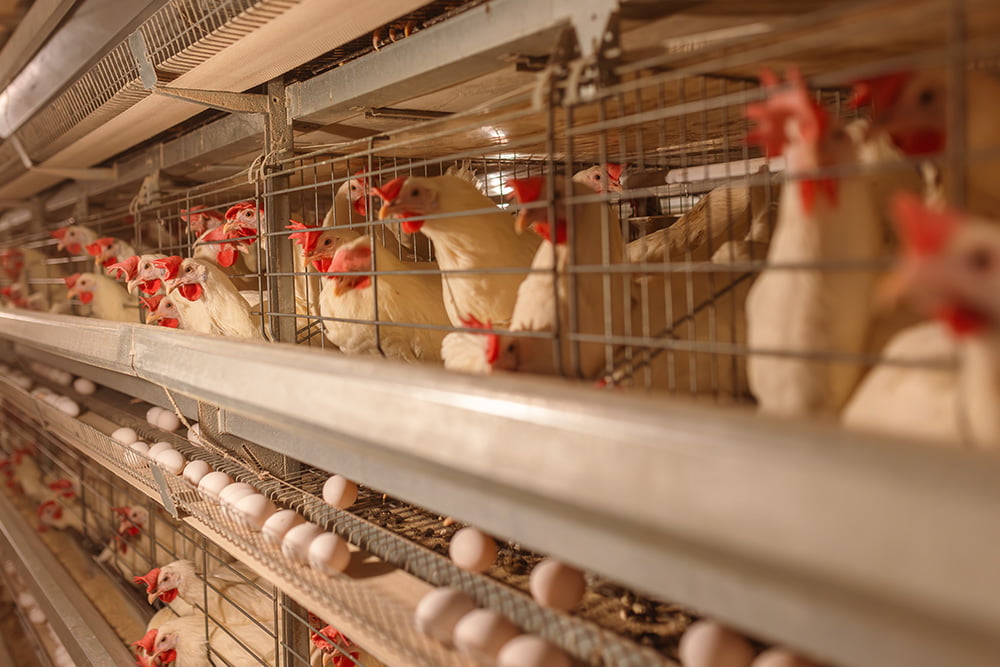
Have you ever wondered how many lives a person could save simply by changing their diet? In a world where awareness of animal welfare and environmental sustainability is constantly growing, this question takes on unprecedented importance.
Adopting a vegan diet has a significant impact on reducing animal suffering and preserving the environment. It is a phenomenon that goes beyond food trends, reflecting ethical and sustainable values.
In this article, we will explore the impact veganism can have on animals and the planet, revealing eye-opening data and offering a broader perspective on how our food choices can make a difference.
Veganism and Saving Animal Lives
Adopting a vegan diet goes beyond simply changing what we eat; it represents a conscious decision to not contribute to animal suffering and exploitation.
Every year, millions of animals are raised in inhumane conditions, subjected to stress, confinement, and unnecessary suffering in industrial farms and slaughterhouses. According to the Food and Agriculture Organization (FAO), over 772 billion animals were slaughtered for human consumption in 2018, with fish representing nearly 90% of this number. Birds, mainly chickens, accounted for 85.6 billion, while farm animals such as cows and pigs totaled 4.5 billion lives sacrificed in just one year.
Veganism offers an ethical solution to this situation, as it involves abstaining from consuming meat, dairy, eggs, and other animal products.
A study by Animal Charity Evaluators revealed that a vegan person can save an average of 105 animals per year. This number mainly includes farm animals like chickens, pigs, cows, and fish, raised and slaughtered en masse for food production.
These data highlight the importance of veganism as an effective way to reduce animal suffering and save lives on a large scale. However, it is important to note that these numbers do not fully capture the scope of animal suffering, as they do not include animals that die during food production, such as male chicks in the egg industry, killed at birth because they are not productive.
Additionally, indirect victims of the food industry are omitted, including animals that die under inhumane transport conditions or are killed as feed for other animals. Accidental capture of unwanted marine animals and deforestation caused by animal agriculture, which also kills numerous animals, is also excluded.
The Ethical Benefits of Veganism
The food industry is closely linked to animal suffering, as millions of animals live and die in inhumane conditions in industrial farms and slaughterhouses.
Veganism not only has a measurable impact on the number of animal lives saved but also represents an ethical commitment to respecting sentient beings. By choosing a plant-based diet, people take a stand against exploitation and abuse in the food industry.
Every animal raised for human consumption experiences a life of suffering and deprivation, from confinement in small spaces to mutilation without anesthesia and transport under deplorable conditions. Adopting veganism is a way to refuse complicity in this systematic cruelty and affirm values of compassion and empathy for non-human life.
Veganism also promotes cultural change toward a fairer and more equitable society for all species. By questioning social norms that justify animal exploitation, vegans challenge the status quo and advocate for a world where animals’ interests are recognized and respected.
By transitioning to a vegan diet, individuals actively contribute to creating a more ethical and compassionate world where animal rights are acknowledged and protected. This ethical commitment is central to the vegan movement and represents a powerful way to create positive change.
Environmental Impact of Veganism
The environmental impact of veganism is another crucial aspect. Animal-based food production has a tremendous environmental cost, contributing to deforestation, biodiversity loss, water pollution, and greenhouse gas emissions.
By adopting a vegan diet, individuals significantly reduce their ecological footprint by lowering the demand for natural resources and greenhouse gas emissions associated with intensive animal agriculture.
Scientific studies show that meat production is a major driver of the climate crisis, responsible for approximately 14.5% of global greenhouse gas emissions.
Veganism also promotes more sustainable farming practices, such as plant-based food cultivation, which requires less land, water, and energy than meat and dairy production. Focusing on plant-based foods helps preserve biodiversity, protect ecosystems, and reduce pressure on the planet’s finite natural resources.
Veganism can also play a key role in conserving oceans and marine life by reducing demand for seafood. Industrial fishing is a major cause of overfishing and ecosystem degradation, threatening entire species and ocean health.
Health Benefits of Veganism
The health benefits of veganism are widely recognized and scientifically supported. A plant-based diet can positively impact various aspects of human health, including reducing the risk of chronic diseases and improving overall wellbeing.
- Reduced risk of heart disease: Heart disease is a leading cause of death worldwide, and diet plays a critical role in its prevention. Studies show that a vegan diet, low in saturated fat and cholesterol, can lower LDL (“bad”) cholesterol and improve cardiovascular health.
- Weight management: Vegan diets tend to be lower in calories and saturated fats and higher in fiber, helping reduce calorie intake and promote weight loss. Whole and natural foods also increase satiety and reduce overconsumption of processed and sugary foods.
- Type 2 diabetes prevention: A balanced vegan diet, rich in plant foods and low in saturated fats and refined sugars, can prevent and manage type 2 diabetes by improving insulin sensitivity and regulating blood sugar levels.
- Lower risk of certain cancers: Studies suggest that animal products may increase the risk of certain cancers, including colon, breast, and prostate. A vegan diet reduces exposure to carcinogens in processed meat while increasing intake of protective antioxidants and phytochemicals from plant foods.


