


White roofs could save lives during extreme heat waves in cities
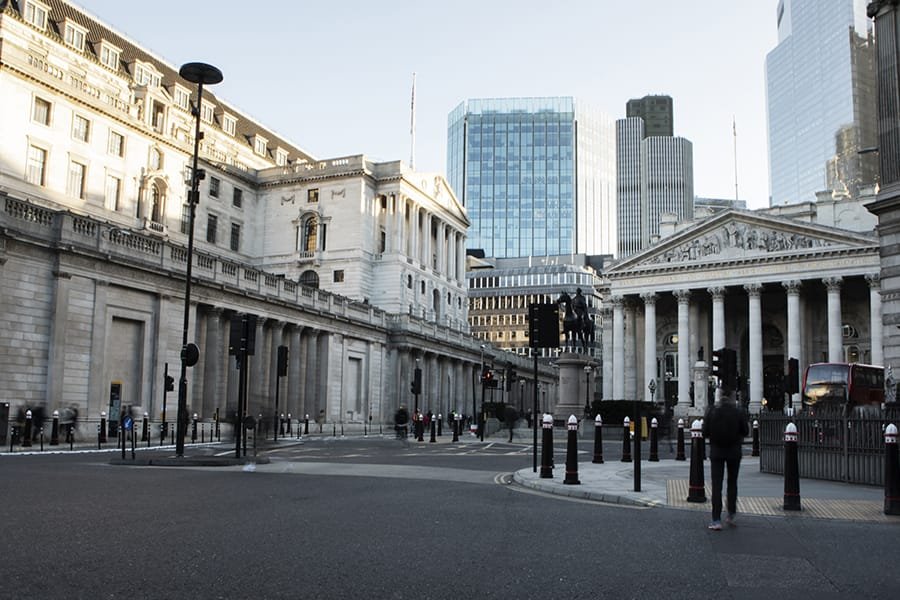
Global warming and the growth of urban life are increasing temperatures in cities, exposing residents to serious risks during extreme heat waves. A recent study shows that the implementation of white roofs in London could have saved hundreds of lives during the record-breaking summer heat of 2018, highlighting the importance of innovative urban strategies to address climate change and improve safety in urban areas.
Why painting roofs white can help cool cities
During the summer of 2018, temperatures in London rose to an average of 19.2°C, about 1.6°C higher than usual for that time of year. This difference may seem small, but in a densely populated metropolis, excess heat can have deadly consequences. Painting roofs white reflects much of the sun’s radiation instead of absorbing it, reducing the effect known as the urban heat island.
How light-colored or “cool roofs” work
A white roof or light-colored roof is a simple and effective way to mitigate heat. Dark roofs absorb solar energy, increasing the temperature of buildings and the surrounding atmosphere, while white roofs reflect this energy. This simple color change could lower urban temperatures, making cities more livable during extreme heat and improving residents’ thermal comfort.
The urgent need for solutions to cool cities
As climate change intensifies heat waves, extreme summers like those of 2018 and 2024 are expected to become more frequent. In the United Kingdom, around 83% of the population lives in urban areas, making them especially vulnerable to urban heat. These areas absorb much more heat than rural zones due to building materials and infrastructure, generating the urban heat island effect.
According to Professor Tim Taylor from the University of Exeter, “the need to adapt our cities to climate change is clear. Transforming rooftops is a solution with multiple environmental benefits.”
Impact of white roofs on reducing heat-related deaths
Researchers from University College London (UCL) and the University of Exeter found that implementing cool roofs on all London buildings could have reduced urban temperatures by around 0.8°C during the summer of 2018. This measure could have prevented approximately 249 deaths, equivalent to 32% of heat-related deaths in the city.
Charles Simpson, lead author of the study and a member of UCL’s Bartlett School of Environment, Energy and Resources, stated: “If widely adopted, cool roofs can significantly reduce air temperatures in cities, saving lives and improving residents’ quality of life.”
The potential of rooftop solar panels
In addition to cooling cities, solar panels on rooftops can provide clean energy and help reduce urban energy use. The study found that by installing solar panels in London during the same period, up to 20 terawatt-hours (TWh) of electricity could have been generated, equivalent to more than half of the city’s annual energy consumption.
Simpson adds: “Solar panels are not only a great source of renewable energy, but they can also be installed without making cities hotter.”
Other sustainable solutions to combat urban heat
To mitigate the effects of the urban heat island, experts recommend a combination of eco-friendly and sustainable measures:
- Green areas and green roofs: Adding vegetation to rooftops reduces temperatures and improves air quality.
- Sustainable building materials: Using materials that absorb less heat is essential for urban design.
- Energy efficiency improvements: Reducing cooling energy demand lowers greenhouse gas emissions.
The future of urban cooling
As urban populations grow, adapting cities to climate change becomes increasingly urgent. Solutions such as cool roofs, solar panels and green rooftop spaces are essential steps toward more sustainable and resilient urban infrastructure.


