


How to Recycle Properly at Home and at Work
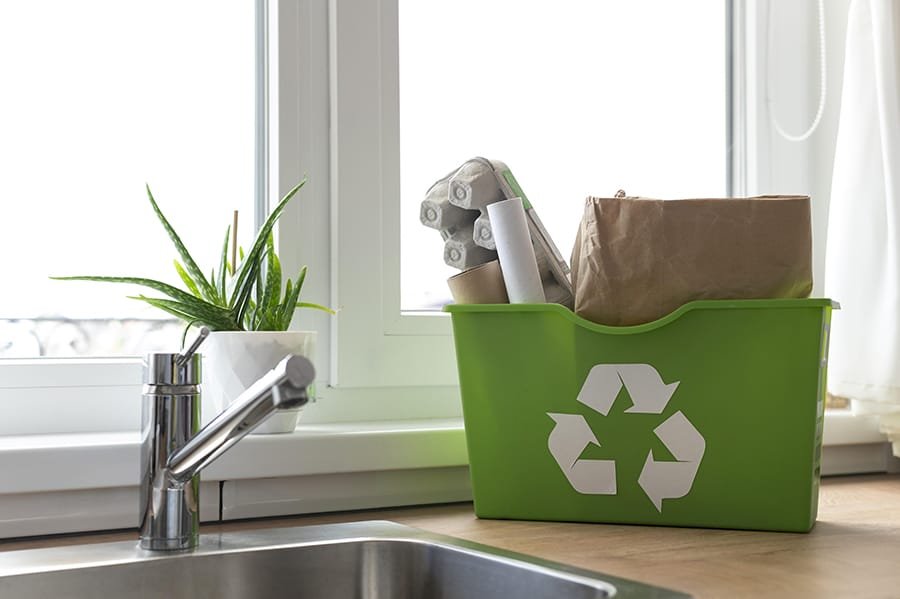
Recycling is an essential practice to reduce our carbon footprint, lower the amount of waste in landfills, and protect the environment. However, it is not always easy to know what and how to recycle. In this guide, we will teach you the best recycling practices you can implement at home and at work.
Learning to recycle correctly is not only beneficial for the planet but can also create a positive impact in your surroundings.
Why is it important to recycle properly?
Recycling is not just about separating materials into different bins; it requires doing so effectively to maximize its impact. When we recycle properly, we help to:
- Reduce natural resource consumption: Less raw material is extracted from the environment.
- Save energy: Producing recycled materials uses less energy than making new products.
- Decrease pollution: Prevents toxic and non-biodegradable substances from reaching soil and water.
- Combat climate change: Recycling reduces greenhouse gas emissions.
How to recycle at home: Step by step
Your home is the best place to start implementing recycling practices. Here’s how to make it simple and effective:
1. Organize your recycling space
First, set up an appropriate area. Designate a specific space for different types of waste. Ideally, have at least three bins:
- Organic waste: food scraps, fruit and vegetable peels.
- Recyclable materials: paper, cardboard, plastic, glass, and metal.
- Non-recyclable waste: items that cannot be reused or recycled.
Make sure bins are clearly labeled to avoid confusion and facilitate sorting.
2. Know which materials can be recycled
To recycle properly at home, know which materials are accepted in local programs:
- Plastics: bottles, containers, and bags.
- Paper and cardboard: newspapers, magazines, boxes, and envelopes.
- Glass: bottles and jars (some programs may not accept glass).
- Metals: aluminum cans, food cans.
Practical tip: Clean items before recycling. Food containers should be empty and free of residue to avoid contaminating other recyclables.
3. Avoid common mistakes
Many people make mistakes when recycling, such as throwing non-recyclable items or mixing waste types. Common errors include:
- Not recycling plastic bags: They may damage recycling machinery.
- Cross-contamination: Don’t mix food or organic waste with recyclables.
- Recycling dirty items: Always clean containers before placing them in the bin.
How to recycle at work: Practical guide
The workplace is another key area for recycling. Offices generate large amounts of daily waste, so implementing an effective recycling program can make a difference.
1. Foster a recycling culture
- Offer training: Organize talks or workshops to educate employees on recycling practices.
- Provide visible bins: Place recycling bins in break areas, meeting rooms, and near printers.
- Reward participation: Create incentives or recognition for employees following best practices.
2. Waste sorting in the office
Similar to home, clear sorting systems are essential. Common materials include:
- Paper and cardboard: Even with digital workflows, paper is still used.
- Printer toner and cartridges: Highly polluting, but recyclable at specialized points.
- Plastic: Water bottles, food containers, and disposable utensils should go to the recyclable plastics bin.
3. Implement a waste reduction system
- Go digital: Reduce paper use by digitizing documents and processes.
- Reuse materials: Reuse items in good condition instead of buying new ones.
- Eliminate single-use plastics: Offer reusable alternatives like water bottles and coffee cups.
Conclusion: Recycling is everyone’s responsibility
Proper recycling at home and work benefits the environment, improves quality of life, and reduces costs. Every small effort counts—sorting correctly and reducing waste helps create a sustainable world.