


How to Save Water at Home: Practical Tips and Strategies
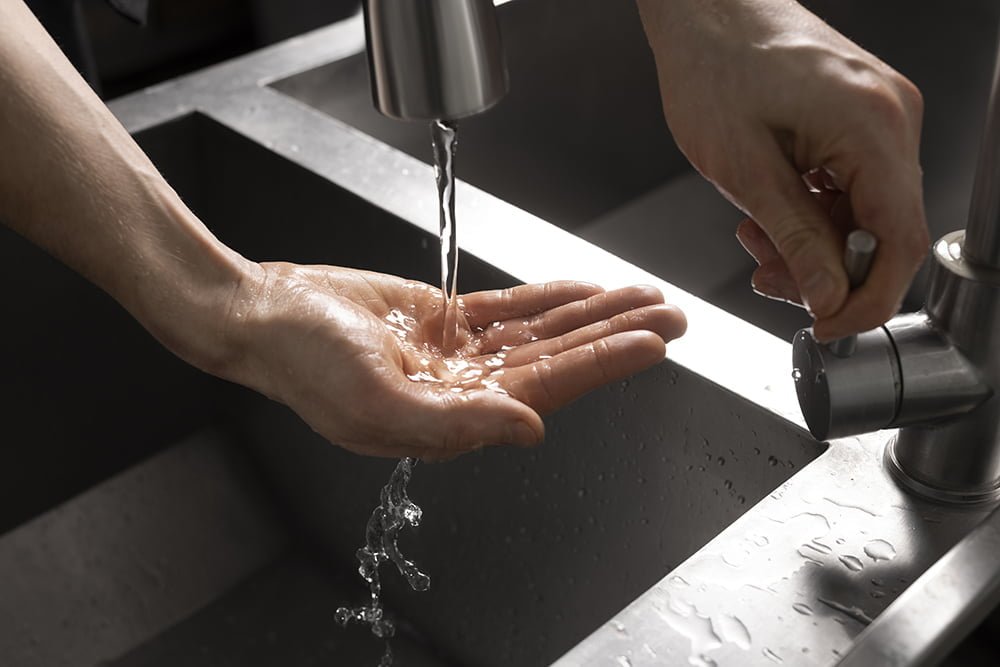
In our daily lives, water is a vital resource that we often take for granted. However, with small changes in our habits and some improvements at home, we can make a big difference in water conservation. Join us as we explore practical strategies to reduce your water consumption at home and contribute to caring for our planet!
Fixing leaks: Stop drips and save
Water leaks are like small drips that can turn into big problems if not addressed in time. They often go unnoticed but can represent significant water loss and increase your monthly water bill without realizing it. That’s why it’s crucial to watch for any signs of leaks in your home.
Start by checking your faucets and pipes for any unusual dripping or moisture. Even a small constant drip can add up to several liters of wasted water throughout the day. Also, pay attention to damp spots on walls or ceilings and any dripping sounds coming from your plumbing.
Once you identify a leak, it’s important to address it immediately. Some leaks can be easily fixed with minor adjustments or seal replacements. For more severe leaks, you may need to call a professional plumber for proper repairs.
Changing habits: Transform your routine and save water effortlessly
Daily habits have a significant impact on water consumption at home. Often, without realizing it, we perform actions that contribute to wasting this valuable resource. By adopting simple changes in our routine, we can significantly reduce water usage and help preserve this vital resource.
- Turn off the tap: One of the easiest habits to change is turning off the tap when not in use. Whether brushing your teeth, washing dishes, or showering, leaving water running wastes resources. Close the tap while performing these tasks and only open it when necessary.
- Efficient showering: Reducing shower time is another effective way to save water at home. Try limiting showers to 5 minutes or less and consider installing a low-flow showerhead to reduce water usage without sacrificing pressure. Avoid filling the bathtub and opt for quick showers to minimize water use.
- Reusing water: Reuse water whenever possible. For example, collect water from rinsing fruits and vegetables to water plants or use shower water while it heats to fill buckets or water the garden.
- Efficient washing: When washing clothes or dishes, try to accumulate a full load rather than washing small amounts frequently. Using the washing machine and dishwasher with full loads maximizes water efficiency and reduces the number of cycles needed.
- Smart gardening: When tending your garden, practice smart gardening. Choose native or drought-resistant plants that require less water and use irrigation techniques such as drip watering or strategic mulching to maximize water retention in the soil.
Installing water-saving devices
Water-saving devices are key tools in the mission to reduce home water consumption. From simple plumbing adjustments to high-tech installations, these solutions help maximize water efficiency without compromising quality or comfort.
- Low-flow showerheads: One of the easiest ways to save water in the shower is by installing a low-flow showerhead. These devices reduce water output without sacrificing pressure, allowing you to enjoy a satisfying shower while using less water.
- Dual-flush toilets: Dual-flush toilets let you choose between a full flush and a partial flush, saving water with each use.
- Low-flow faucets: Like showerheads, low-flow faucets reduce water output without compromising functionality. Installing them in kitchens and bathrooms can significantly reduce water use for daily tasks like handwashing and teeth brushing.
- Water sensors: Smart water sensors help monitor and control consumption in real time. Installing sensors on faucets and irrigation systems allows you to detect leaks or waste quickly and take corrective action.
- Rainwater storage tanks: For sustainable options, installing rainwater tanks is an excellent way to collect and reuse water for activities like watering the garden or washing the car. These systems capture rainwater from your roof and store it for later use, reducing dependence on potable water sources.
The future of water is in your hands
Through fixing leaks, changing habits, and installing water-saving devices, we all have the power to make a significant difference in conserving this vital resource. From your kitchen faucet to your backyard garden, every choice you make affects the amount of water you consume.
So, what are you waiting for? The future of water is in your hands! Adopt more conscious and sustainable practices today and join the movement toward responsible water use for future generations. Remember, every action, no matter how small, contributes to the well-being of our planet and all who inhabit it.