


Solar Energy at Home: Benefits and How to Install Solar Panels
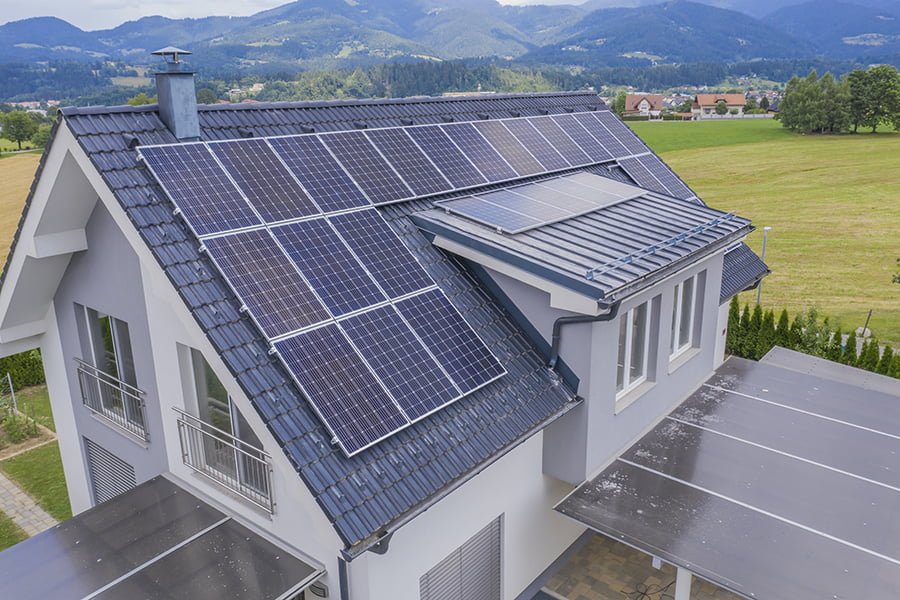
The energy sector is evolving toward more sustainable models, driven by the rise of renewable energies. Among these, solar energy has become the preferred choice for most households opting for self-consumption. To explore more about electricity and gas companies that support renewable energy, you can check options here. In this article, we will also discuss the impact and benefits of installing solar panels in your home.
Solar energy: What it is and its impact
The Sun has become a key energy source for households that decide to install self-consumption systems. Solar energy is obtained through the installation of photovoltaic panels that convert sunlight into electricity.
By installing solar panels and generating their own energy, households become less dependent on the conventional grid. This has a considerably positive impact on electricity bills, which can be significantly reduced. Additionally, using clean energy from an inexhaustible source like the Sun reduces greenhouse gas emissions from fossil fuel consumption.
How to install solar panels in a home
Installing a photovoltaic system at home is relatively straightforward. Usually, companies specializing in solar energy provide an all-inclusive solution that includes installation and system commissioning.
Initial assessment
The first step is an initial assessment of the house’s characteristics. This typically includes analyzing the roof’s potential by calculating the optimal slope and orientation for installation. The amount of shade and the required surface area are also determined.
Consulting experts and considering local regulations is essential, as they may affect the installation process.
Choosing components
Next is selecting the system components. Common elements for self-consumption systems include:
- Solar panels: the basic element that captures sunlight.
- Inverters: convert the electricity generated by the panels into alternating current for home use.
- Storage batteries: optional components to store excess solar energy for later use or to sell surplus energy for profit.
- Wiring and mounting structures: used to position the system optimally and maximize efficiency.
A monitoring system allows tracking production and consumption and detecting potential performance issues.
Installing the solar panels
After the assessment and component selection, a specialized technician installs the solar panels. They determine the ideal location, integrate wiring to connect panels to the inverter and home electrical system, and ensure connection to the conventional grid for any excess energy feed-in.
Initial investment and financing
Many companies offer financing options for the initial installation costs. Additionally, government grants, subsidies, or tax incentives are available to support households adopting solar energy systems.
Benefits of solar energy at home
Installing solar panels provides direct benefits for household economics and the environment.
Sustainability
Solar energy is clean and produces no greenhouse gas emissions. Using renewable solar energy reduces reliance on fossil fuels. Homes using solar and other green energy sources directly help reduce air pollution and carbon footprint. Learn more about green energy companies and their benefits.
Long-term economic savings
Although solar self-consumption requires an initial investment, it can reduce electricity bills by up to 60%, saving 600–900 euros annually. Homeowners can also sell surplus energy to the grid, generating additional income and improving system profitability.
Greater energy independence
Generating your own energy reduces dependence on the conventional grid, providing:
- Autonomy and self-sufficiency by producing electricity for your household needs.
- Energy stability and freedom without external factors affecting electricity prices.
- Energy efficiency, reducing consumption and costs.
Increased property value
Homes with solar installations tend to be more attractive to buyers, who see solar energy as efficient, sustainable, and profitable.
Solar energy is clearly a safe future investment for households and industry alike, offering sustainability, economic savings, and efficient energy management.