


How to Create a Sustainable Home
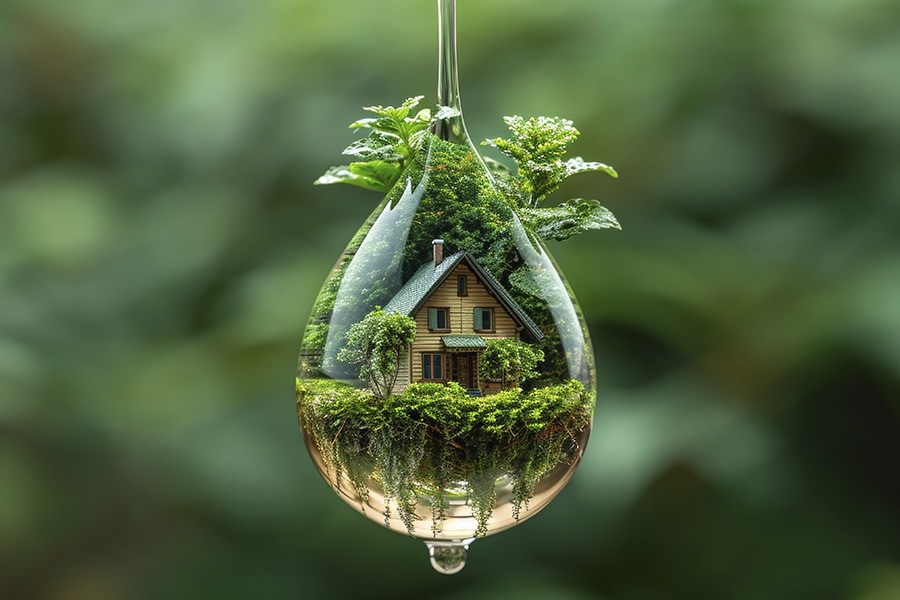
In a world increasingly aware of the importance of caring for the planet, a sustainable home has emerged as a necessary alternative for those who want to live in harmony with the environment without sacrificing comfort and quality of life.
This concept goes far beyond eco-friendly architectural design: it encompasses how we live, the products we use, and the choices we make daily within our homes.
What is a sustainable home?
A sustainable home is one that has been designed, built, and managed to minimize its environmental impact, promote the well-being of its occupants, and be economically efficient over the long term.
This type of home is based on three key pillars:
1. Environmental sustainability
An eco-friendly home aims to reduce its carbon footprint, conserve natural resources such as water and energy, and minimize waste throughout all stages of its life cycle: construction, use, and renovation.
2. Social sustainability
This includes universal and accessible design, adapted to all stages of life, ensuring safety, health, and well-being for its inhabitants. It involves proper ventilation, natural lighting, ergonomics, and risk reduction.
3. Economic sustainability
It refers to efficient home planning to reduce costs from the start, avoid unnecessary future renovations, decrease utility expenses, and promote the durability of materials.
Not just the structure: everyday items matter
A truly sustainable home is not only built but also lived in. The selection of everyday products and materials—from kitchenware to textiles and decoration—should prioritize sustainable alternatives.
Choosing durable products made from recyclable or biodegradable materials is a practical way to reduce environmental impact without major structural changes.
How to make your home more sustainable? 12 key ideas
You don’t need big investments to start. Here are some simple and effective actions you can implement today:
- Thermal and acoustic insulation: Improve walls, ceilings, and floors to conserve energy.
- Efficient windows: Install double glazing or thermal curtains.
- Use solar energy: For heating water, generating electricity, or lighting.
- Efficient appliances: Look for A++ energy labels, ENERGY STAR, or similar.
- LED lighting: Longer-lasting, economical, and eco-friendly.
- Eco-friendly materials: Prioritize local, recycled, or non-toxic options.
- Water saving: Install faucet diffusers and collect rainwater if possible.
- Recycling and composting: Minimize waste and convert organic matter into compost.
- Renewable energy: Consider subscribing to green energy if available.
- Accessible design: Ensure functionality now and in the future.
- Responsible consumption: Buy less, but better quality.
- Sustainable gardens: Choose native plants that require less watering and care.
Living sustainably starts at home
Turning your home into a sustainable one not only benefits the planet but also improves your quality of life, saves money, and contributes to a more conscious community.
Remember: you don’t have to do everything at once. Every small change counts and is a step toward a greener future.