


Sustainable Mobility: How Leading Cities Are Transforming Transportation
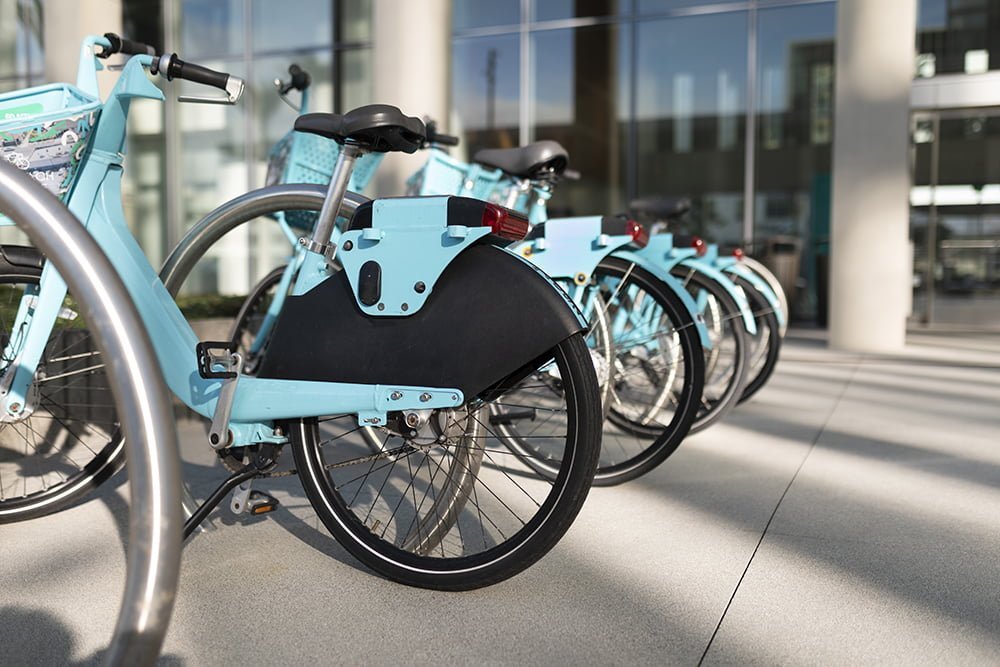
Sustainable mobility has become a crucial topic on the global agenda. In a world where environmental concerns and the depletion of natural resources are increasingly evident, adopting sustainable mobility practices is imperative. In this article, we will explore what sustainable mobility is, why it is important, and how it is changing urban landscapes. We will also present inspiring examples of successful initiatives around the world that are leading the way toward a greener and more equitable future.
What is sustainable mobility?
Sustainable mobility is a smart and conscious approach to moving around our cities and communities. It is a way of traveling that not only benefits the environment but also improves our quality of life and that of future generations.
Imagine a transport system that not only gets you from point A to point B but does so in a way that reduces pollution, alleviates traffic congestion, and makes our cities more livable for everyone. That is sustainable mobility in action.
Key aspects of sustainable mobility include:
- Protecting the planet: By choosing cleaner transport modes, such as walking, cycling, or using electric vehicles, we reduce our carbon footprint and protect the environment for future generations.
- Making life easier: Sustainable mobility is not only about saving the planet; it’s about making daily life more convenient and efficient. Less traffic and more accessible, affordable transport options make life simpler for everyone.
- Promoting safety: With safer road infrastructure and transport options, sustainable mobility helps reduce traffic accidents and makes streets safer for pedestrians, cyclists, and drivers alike.
- Health benefits: Encouraging active transport modes such as walking and cycling also improves physical and mental health, reducing stress from traffic and increasing daily exercise.
- Driving innovation: The search for more sustainable transport solutions is fostering innovation and technology in the sector. From electric vehicles to smart transport systems, sustainable mobility is creating new opportunities and jobs worldwide.
Inspirational examples of sustainable mobility
Pedestrian-friendly cities: Barcelona, Spain
Barcelona has pioneered the transformation of urban areas into pedestrian-friendly spaces. Through the “Superblocks” project, the city has restricted traffic in key areas, giving space back to pedestrians and encouraging more sustainable transport modes.
Since 2016, Barcelona has reduced greenhouse gas emissions by 21% and airborne particulate matter by 28% thanks to these measures. Additionally, the project has boosted local commerce sales by an estimated 13%, showing that sustainable mobility can also drive economic growth.
Electrified public transport: Shenzhen, China
Shenzhen has achieved an impressive transformation in its public transport system by fully electrifying its bus fleet. Since 2017, the city has replaced over 16,000 fossil fuel buses with electric vehicles, representing 100% of its public transport fleet.
This initiative has led to a 48% reduction in transport-related carbon emissions and significantly improved air quality. It is estimated that transitioning to electric buses has saved approximately $120 million in fuel and maintenance costs.
Shared bicycles and bike lanes: Amsterdam, Netherlands
Amsterdam is known as the “City of Bicycles” for good reason. With over 500 kilometers of safe bike lanes and widely used bike-sharing programs, the city has achieved an impressive 38% of daily trips by bicycle.
This focus on urban cycling has reduced traffic congestion and improved public health. Bicycle use in Amsterdam is estimated to save approximately 19,000 tons of CO2 emissions per year and prevent more than 6,500 cases of diseases related to physical inactivity.
EV infrastructure development: Oslo, Norway
Oslo has been a global leader in promoting electric vehicles (EVs) through proactive policies and infrastructure development. The city offers extensive incentives for EV purchases, including tax exemptions, toll exemptions, and free parking.
Oslo also has a vast network of EV charging stations, with over 1,600 public and private charging points across the city. As a result, more than 60% of new vehicles sold in Oslo are electric, and the city aims to phase out internal combustion cars completely by 2025.
This transition has reduced carbon emissions and air pollution while positioning Oslo as a global model for sustainable mobility.
Smart mobility innovation: Silicon Valley, USA
In Silicon Valley, the hub of technological innovation, smart mobility solutions are being developed and tested to transform the way we travel. From autonomous vehicles to ride-sharing applications, companies in the region are leading the way toward more efficient and sustainable mobility.
For example, implementing autonomous vehicles on Silicon Valley roads could reduce traffic accidents by 90% and cut CO2 emissions by 60% by 2030.
These real-world examples demonstrate that sustainable mobility is not only possible but also economically, environmentally, and socially beneficial. By adopting these innovative practices, we can build a cleaner, safer, and more equitable transport future for all.