


Used item exchange: reduce waste and promote sustainability
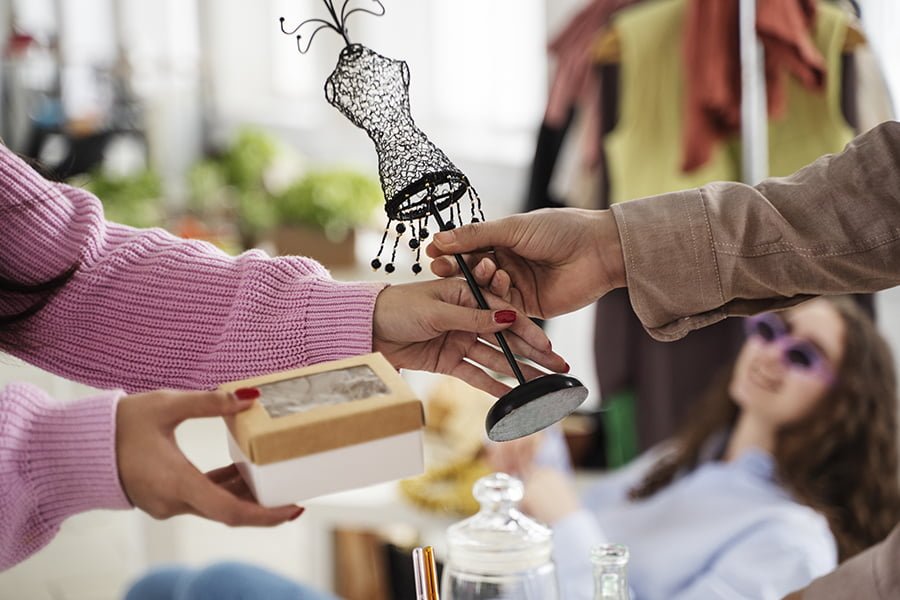
In a world increasingly aware of environmental impact, exchanging used items has become a key practice to reduce waste and promote sustainability. This trend is gaining traction thanks to online platforms that allow people to give away, trade, or find second-hand items without buying new ones. In this guide, we will show you how to set up and use an exchange platform, helping the environment while fostering a circular economy.
What is used item exchange and why is it important?
Used item exchange means giving a second life to objects you no longer need, allowing others to use them instead of throwing them away. This practice not only helps reduce the amount of waste we generate, but also lowers the demand for new products, reducing the consumption of natural resources and greenhouse gas emissions.
Key benefits of exchanging items include:
- Waste reduction: Fewer items end up in landfills, helping to reduce soil and water pollution.
- Money savings: Obtain what you need without spending, especially useful during economic uncertainty.
- Promoting sustainability: By reusing objects, you contribute to the circular economy and efficient resource use.
Platforms for exchanging items
In Spain, several online platforms facilitate used item exchange. These platforms connect people who want to give away, trade, or find second-hand items. Some popular platforms include:
1. Wallapop
Wallapop is one of Spain’s most well-known platforms for buying and selling second-hand items, and it’s also great for exchanges. You can search for specific items and contact users to negotiate a trade or receive an item for free.
2. NoLoTiro
NoLoTiro is dedicated exclusively to exchanging and giving away used items. Its philosophy is to promote reuse instead of buying new, allowing users to post items they want to gift or exchange. It’s ideal for anyone seeking to reduce their environmental impact effortlessly.
3. Freecycle Spain
Freecycle is a global network that encourages giving away items instead of discarding them. In Spain, local groups allow you to give or find objects ranging from furniture to electronics. The idea is simple: if you have something you no longer need, offer it on Freecycle for someone else to use.
4. TruequeNet
TruequeNet facilitates direct item exchanges between users. Unlike other platforms, TruequeNet focuses on pure barter, exchanging one item for another without money. It’s perfect for those who prefer direct exchanges and want to explore collaborative economy alternatives.
How to use these platforms to reduce waste
Using exchange platforms in Spain is simple, but these strategies can help you maximize their benefits:
1. Identify items you no longer need
Take inventory of items in your home that you no longer use. From clothes and books to appliances and furniture, almost anything can be reused by someone else. Making a list helps organize and post items on the right platforms.
2. Create attractive and detailed listings
When posting an item, describe its condition, usage, and why you’re offering it. Include clear, high-quality photos to increase interest.
3. Contact other users
After posting, explore the platform for items you need. Contact users to negotiate exchanges or request free items. Be respectful and clear to avoid misunderstandings.
4. Be flexible and open to new options
Exchanges aren’t always exact. Sometimes you may not find what you want immediately, or someone may offer a different item. Staying flexible opens new opportunities and beneficial trades you hadn’t considered.
Social and environmental benefits of item exchange
Exchanging items benefits both the environment and society. These platforms connect people with similar values and promote sustainability, fostering a culture of solidarity where items have longer lifespans.
1. Strengthening the local community
Platforms like Freecycle and NoLoTiro have strong community bases. Participating reduces waste and strengthens local ties, creating lasting connections and mutual support networks.
2. Promoting the circular economy
Exchanging items is one of the most effective ways to support the circular economy, keeping products and materials in use longer. Trading objects instead of buying new contributes to a continuous use cycle that minimizes environmental impact.
Tips for successfully starting item exchanges
If you’re ready to start exchanging items and reduce your ecological footprint, here are final tips:
- Start small: Don’t feel you must exchange everything at once. Begin with a few items to get familiar.
- Explore multiple platforms: Each has its community and item selection, so explore several for more opportunities.
- Be patient: Finding the perfect exchange may take time. Stay patient and persistent; the reward is worth it.