


Debunking Myths About Plastic Recycling: A Guide to a Greener Future
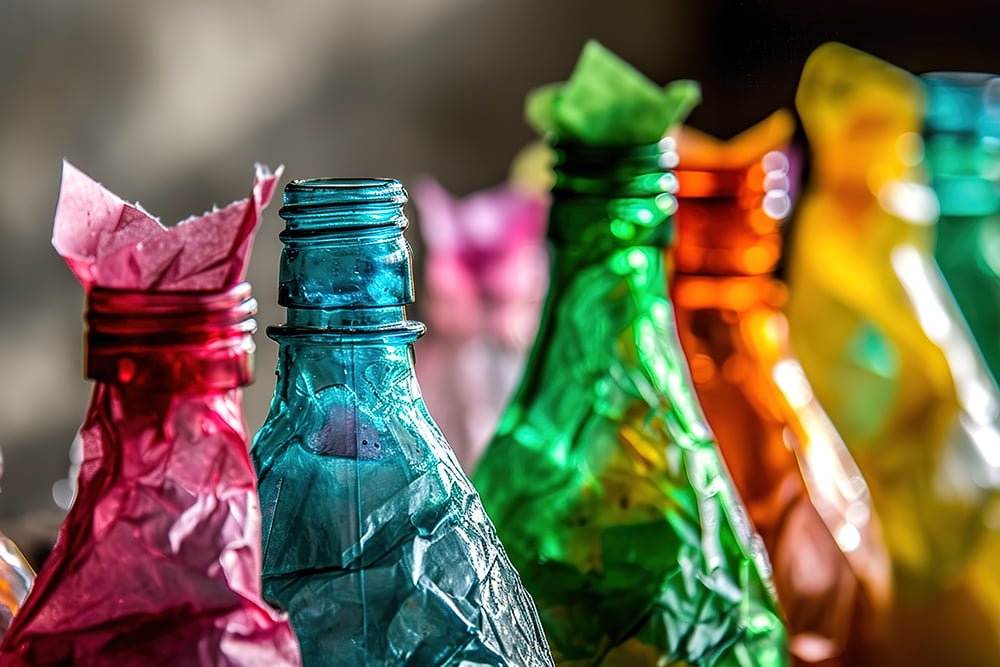
In the world of recycling, plastics have become a hot topic filled with myths and misunderstandings. But fear not! We are here to bust these falsehoods and guide you toward a greener, more sustainable reality. It’s time to uncover the truth about plastic recycling.
Busting the Myth: “All Plastics Are Recyclable”
It’s common to believe that any plastic item can be thrown into the recycling bin with confidence it will be recycled. However, this misconception can lead to ineffective recycling practices and, in some cases, environmental harm.
The reality is that not all plastics are equal in terms of recyclability. Numbers on most plastic packaging, from 1 to 7, indicate different types of plastic, each with its own recycling process. Therefore, it’s crucial to know which plastics are accepted in your local recycling program and dispose of them properly.
Adopting an informed recycling mindset—separating recyclables from non-recyclables and following proper recycling guidelines—maximizes the positive impact of plastic recycling on our environment.
Busting the Myth: “Recycled Plastic Always Gets Reused”
There’s a misconception that once plastic is recycled, it seamlessly re-enters the production cycle as a new plastic product. The reality is more complex.
While recycling is essential, it doesn’t always guarantee that recycled plastic is reused in the same way. Often, recycled plastics are turned into lower-quality products or used for different purposes. Some may even end up in landfills if demand is insufficient.
It’s important to recycle as much as possible, but we should also focus on reducing single-use plastics and promoting product reuse. Choosing durable, reusable products and minimizing disposable plastics reduces the total amount that needs recycling.
Busting the Myth: “It’s Better to Use Plastic Because We Can Recycle It”
Many people mistakenly believe that using plastic and recycling it is an environmentally responsible practice. However, this idea ignores the significant impact of producing and overconsuming plastics. While recycling is important, prioritizing reduction and reuse is even more effective in combating plastic pollution.
Choosing sustainable alternatives, such as reusable and compostable products, helps reduce the amount of plastic ending up in landfills and oceans.
Using products without plastic packaging, carrying reusable bags, and avoiding single-use items actively contribute to reducing plastic waste and preserving ecosystems.
Busting the Myth: “Plastic Recycling Is Ineffective”
It’s often said that plastic recycling is ineffective due to contamination and lack of proper infrastructure. However, this perception does not tell the whole story.
Although challenges exist, recycling remains a critical part of waste management and resource conservation. By investing in advanced recycling technologies and educating communities, we can improve the effectiveness of plastic recycling programs and reduce plastic ending up in landfills and oceans.
Busting the Myth: “Plastic Recycling Doesn’t Make a Real Difference”
Some believe that plastic recycling has little impact on pollution reduction and environmental preservation. This ignores the transformative power of recycling in conserving natural resources and mitigating plastic pollution.
Every time we recycle a plastic bottle or container, we divert material from landfills and give it a second life. Additionally, recycling helps save energy and reduce greenhouse gas emissions associated with producing virgin plastic.
Small recycling actions add up, contributing to positive environmental change. By consistently recycling and educating others, we can inspire a cultural shift toward sustainable practices.
Busting the Myth: “Plastic Recycling Is Too Complicated”
Recycling plastics is often perceived as confusing, discouraging participation. In reality, it can be simpler than it seems.
While recycling rules vary by location, many communities offer educational resources and programs to make recycling easier. Understanding common recycling symbols and sorting plastics correctly are simple steps anyone can take.
Eco-conscious friends, now that we’ve debunked the myths and embraced the reality of plastic recycling, it’s time to act. Recycle wisely, choose reusable products, and educate others about protecting our planet.
Together, we can make a difference and build a cleaner, greener future for generations to come. Join the eco-friendly movement today and be an environmental hero!