


EU Directive 2024/1275: Achieving Energy Efficiency in Buildings
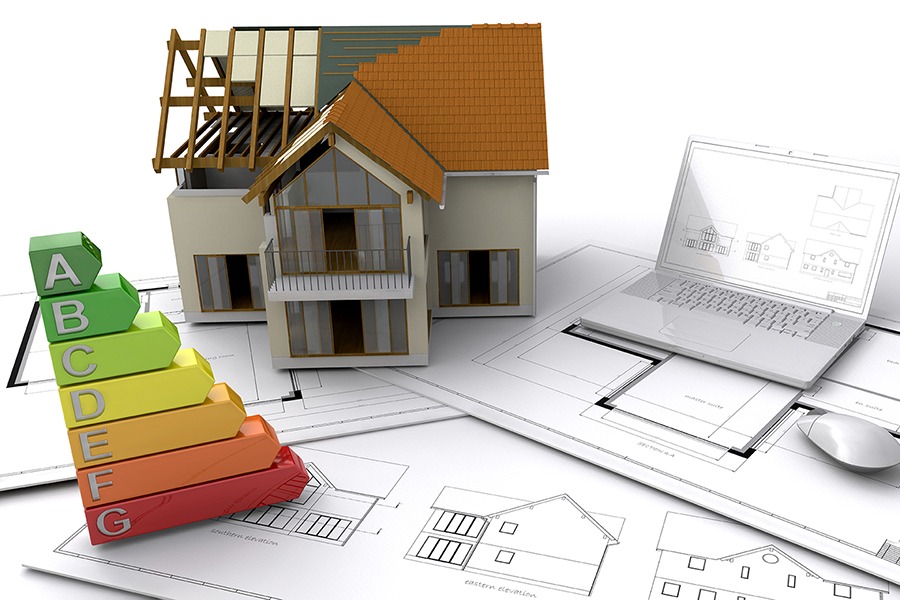
The approval of Directive 2024/1275 on the energy performance of buildings (EPBD) marks a key milestone within the framework of European environmental legislation. This regulation aims to achieve full decarbonization of the European building stock by 2050, a challenge that will involve deep structural transformations across all stages of building management: from design and construction to renovation, rental, or sale.
Currently, EU buildings consume nearly 40% of final energy and generate 36% of CO₂ emissions. Moreover, it is estimated that around 75% of the building stock is energy inefficient. These figures have prompted an ambitious revision of the existing directive, aimed at accelerating the energy transition and reducing the environmental impact of the construction sector.
Member States have until May 2026 to adapt their national regulations to this new directive. The main updates are outlined below.
Full Decarbonization of the Building Sector
One of the core aspects of Directive 2024/1275 is its focus on climate neutrality. All new buildings must be zero-emission (ZEB) starting from 2030, and from 2028 in the case of public buildings. By 2050, the entire building stock must meet this standard, implying a mandatory transition for existing buildings.
This goal represents a radical shift in how buildings are designed, renovated, and managed, placing sustainability at the center of urban development.
Phasing Out Fossil Fuels
The directive also establishes a clear policy to gradually eliminate fossil fuels in the building sector. Starting in 2025, any financial incentive for installing individual fossil fuel boilers will be prohibited, with 2040 set as the deadline for widespread use.
This approach reinforces alignment with the EU’s climate commitments and strengthens the integration of energy efficiency into broader environmental legislation.
New Indicators and Improvements in Energy Certificates
Directive 2024/1275 introduces significant changes to the Energy Performance Certificate (EPC). From its entry into force, all certificates must follow a unified European model with common assessment criteria and new minimum energy performance thresholds.
Key new indicators include:
- Global Warming Potential (GWP), which allows comparison of the climate impact of different materials and technologies.
- Indoor Air Quality, which must be included in all certificates.
- Smart Readiness Indicator (SRI), a voluntary measure evaluating a building’s potential to enhance energy efficiency through digital technologies.
Personalized Renovation Passports
By May 2026, Member States must implement Renovation Passports, digital documents prepared by qualified technicians after on-site inspections. These passports will outline phased actions to improve a building’s energy performance, facilitating medium- and long-term renovation planning for owners.
Digitalization and Modernization of the Building Stock
The directive promotes deep modernization through the integration of smart technologies. Automation, control, and connectivity systems based on AI, Big Data, and IoT will optimize energy use, improve user comfort, and facilitate remote facility management.
National Renovation Plans and Financing
Each country must submit a National Building Renovation Plan based on a detailed analysis of its building stock. The plan should include decarbonization targets, concrete measures, and sustainable financing strategies.
A one-stop window will simplify public funding and promote public-private partnerships through energy performance-linked financing schemes, such as payment based on energy savings achieved.
Access to the Legal Text
You can access the full text of Directive 2024/1275 on building energy performance on the official EU website:
Official text of Directive (EU) 2024/1275 in PDF