


Gilbert: The Microplastic-Cleaning Robot Fish Fighting Water Pollution
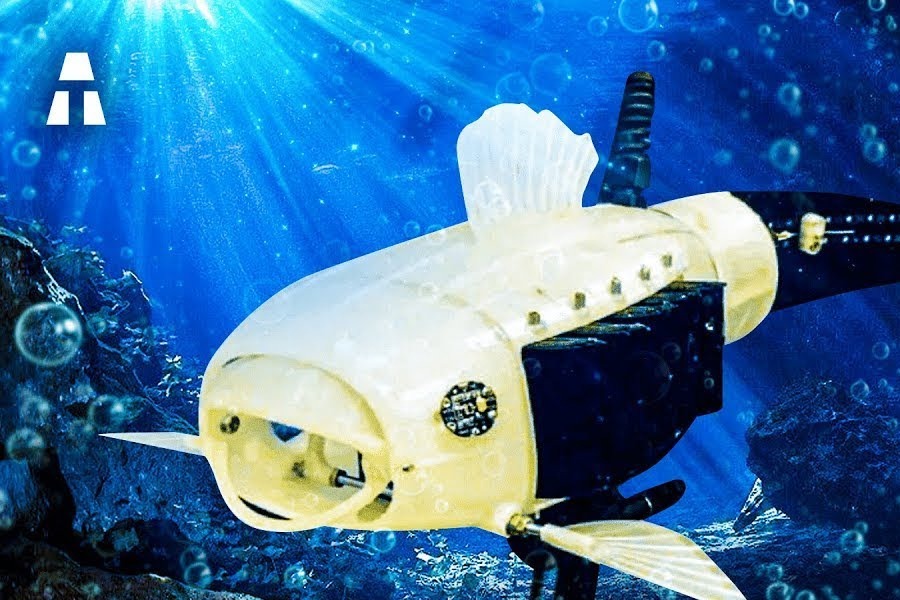
GUILDFORD, England — In an inspiring example of how technology can actively contribute to sustainability, a microplastic-cleaning robot fish has been chosen as the winner of the Natural Robotics Contest organized by the University of Surrey. This international competition invited the general public to submit bio-inspired robot proposals with a positive environmental impact.
The winning design, called Gilbert, stands out for its innovative and sustainable approach to combating plastic pollution in rivers and lakes. This microplastic-cleaning robot fish not only represents an advanced technological solution but is also built with low-impact and accessible materials such as 3D printing, reinforcing its commitment to responsible and eco-friendly development.
Technology Serving the Environment
The winning proposal was created by Eleanor Mackintosh, a chemistry student with a deep ecological commitment. Her design is based on the functioning of fish gills, which filter oxygen from water. Eleanor adapted this natural ability to create a system that captures microplastics present in lakes, streams, and other freshwater bodies.
“I wanted my design to reflect an active way of restoring aquatic environments, and I thought of gills as an efficient and natural filtration model,” Mackintosh commented. The system allows water to enter through the fish’s mouth while the gills remain closed. Then, when the mouth closes and the gills open, water is expelled through a mesh filter, trapping microplastics.
This bio-inspired approach shows how observing nature can guide sustainable engineering solutions instead of relying on energy-intensive models or polluting materials.
From Idea to Tangible Solution
Once selected, the University of Surrey team—led by Dr. Robert Siddall, robotics expert and aerospace engineering professor—worked to turn the concept into a functional reality.
“We imposed one essential rule: the robot had to be accessible. We used low-cost technologies like 3D printing and common electronics so anyone with the right resources could replicate it locally,” explained Siddall.
The process was not without challenges. The first prototype suffered water leakage that damaged all electronics. But after several iterations and tests, Gilbert was successfully assembled and tested.
Watch here: https://youtu.be/ld15OYvvgfk
Open and Collaborative Innovation
One of Gilbert’s major achievements is its open-source philosophy. Anyone with access to a 3D printer can build their own robot fish version and help clean nearby water bodies. This democratization of technology is a crucial step toward more active and environmentally conscious citizenship.
The team continues to work on improvements, including a base station where the robot can dock, deliver collected samples, and recharge. Algorithms are also being developed to allow Gilbert to operate autonomously without a continuous power connection.
Strategic Approach: Freshwater Ecosystems
Although marine plastic pollution is highly visible, Siddall and his team chose to focus on lakes and streams. “There is a significant lack of data on the health of these ecosystems compared to oceans, and microplastics often enter aquatic systems via rivers and continental sources,” he explained.
Gilbert is designed to operate in shallow environments, making its intervention crucial in the early stages of the pollution chain. This preventive approach has enormous potential for freshwater conservation and sanitation policies.
The Future of Gilbert: Towards an Eco-Friendly Robot Fleet
Currently, the robot operates in controlled environments, but the research team is in talks with several nature conservation foundations to launch pilot missions. The vision is clear: create a fleet of autonomous robots to monitor water health and remove plastic waste in real-time, all with an ethical and ecological focus.
“The goal is not only to remove waste but also to empower local communities with technological tools to restore their natural environments,” Siddall concluded.
Towards Regenerative and Responsible Robotics
Gilbert is more than a robot: it is a tangible manifestation of how technology can be designed with ecological and participatory principles. In a world where technological development often goes hand in hand with resource consumption, projects like this open the door to a different paradigm: regenerative innovation, where every advance seeks to repair and protect rather than exploit and deplete.
From hogarecofriendly.com, we celebrate initiatives like this that promote a cleaner, fairer, and more resilient future. True sustainability is built not only from homes but also through science, education, and social commitment.


