


Global Bird Decline: A Silent Crisis Threatening Biodiversity
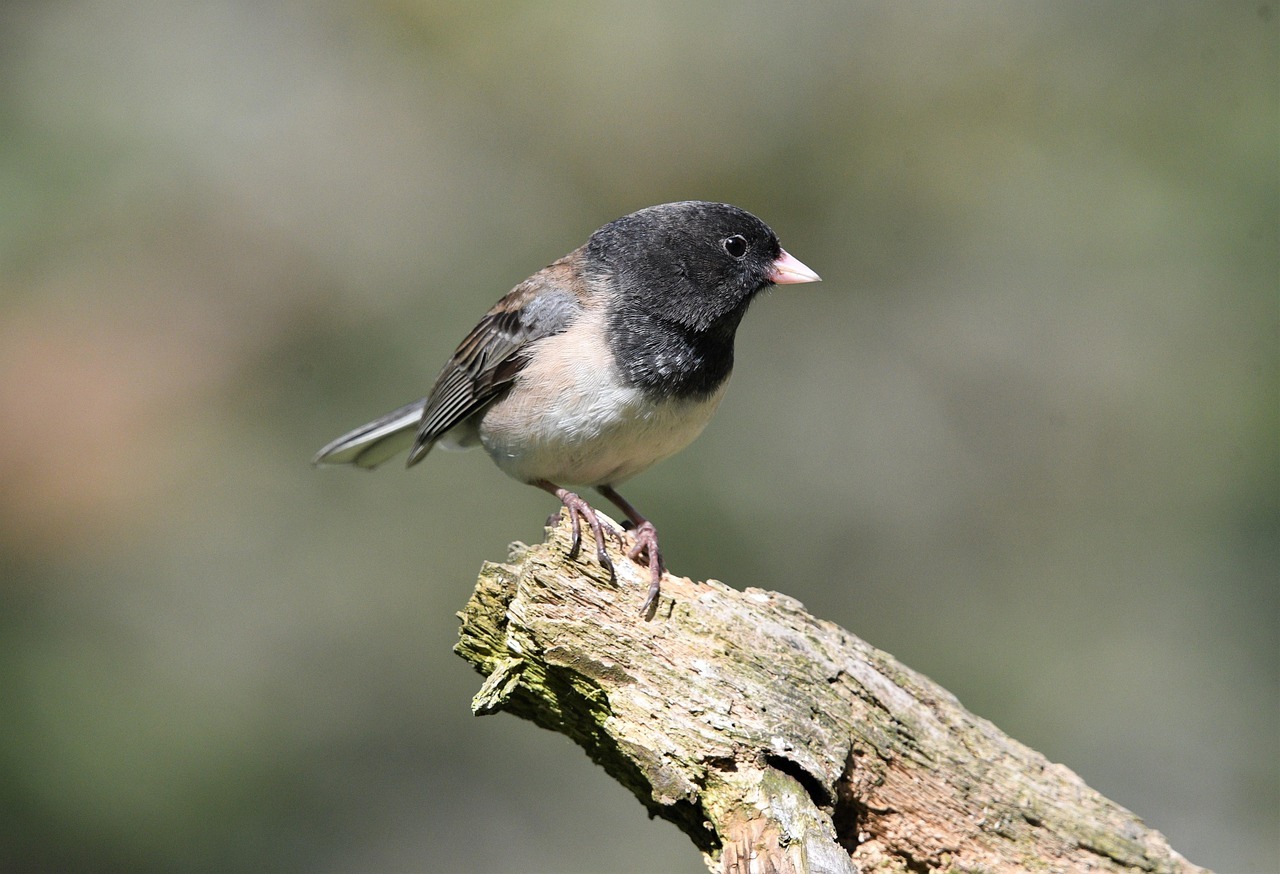
The planet is facing a silent but devastating crisis: the global decline of birds. A new report from the International Union for Conservation of Nature (IUCN) and BirdLife International warns that 61% of assessed bird species show decreasing populations. Habitat loss, intensive agriculture, and climate change are pushing hundreds of species toward extinction.
A worrying outlook
Just a decade ago, 44% of bird species were declining. Today, that figure has increased by almost 20%, a clear sign that current efforts are insufficient. The most affected species include the Schlegel’s asity in Madagascar and the Northern nightingale wren in Central America, both hit hard by deforestation.
According to Dr. Ian Burfield, global scientific coordinator at BirdLife, “three out of five declining bird species illustrate how deep the biodiversity crisis has become.”
Causes of the decline
- Massive deforestation: Agricultural and urban expansion destroy tropical forests, vital habitats for thousands of species.
- Climate change: Temperature shifts alter migratory routes and food availability.
- Pollution and pesticides: Chemicals reduce insects and seeds, the main food source for many birds.
- Invasive species: Introduced mammals such as cats and rats prey on nests and chicks.
Ecological role of birds
Birds are key ecosystem players: they pollinate flowers, disperse seeds, and control pests. BirdLife studies show that a single hornbill group in the tropics can disperse up to 12,700 large seeds per square kilometer each day. Without birds, forest regeneration and ecological stability are severely compromised.
As Dr. Malin Rivers from Botanic Gardens Conservation International summarizes: “The fate of trees and birds is intertwined. No forests, no birds; no birds, no forests.”
Encouraging cases
Not all news is bad. The recovery of the green turtle demonstrates that conservation works. Thanks to decades of nest protection in Brazil, Mexico, and Hawaii, its population has increased by 28% since the 1970s.
The message is clear: when sustainable policies are applied, results are tangible. This example offers hope for replicating actions for threatened birds.
Implications of the report
The report’s release coincides with the IUCN World Conservation Congress in Abu Dhabi, where international leaders discuss strategies to halt species extinction. Scientists urge governments to fulfill the Kunming-Montreal Global Biodiversity Framework commitments, aiming to protect 30% of land and sea by 2030.
What citizens can do
Change starts at home and in the community. Practical actions include:
- Reduce pesticide use and embrace eco-friendly gardening.
- Support certified products that do not drive deforestation (e.g., sustainable coffee or palm oil).
- Provide bird feeders and shelters in urban areas.
- Participate in citizen science programs such as eBird or Aves Argentinas to monitor populations.
- Promote environmental education in schools and social media.
Conclusion
The IUCN report is more than a warning: it is an urgent call to rethink our relationship with nature. The global decline of birds reflects the overall deterioration of ecosystems. Acting today ensures a balanced, vibrant planet for future generations.
Protecting birds means protecting biodiversity and, ultimately, our own future.


