


Goodyear advances sustainable tire innovation with 70% eco-friendly materials
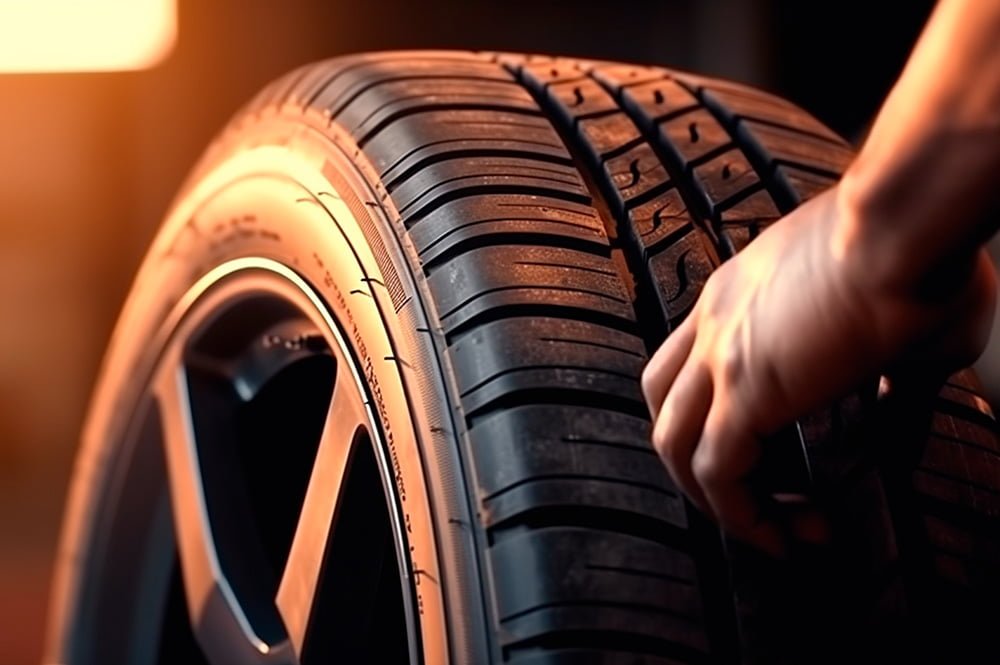
Goodyear has unveiled its latest sustainable innovation: a tire composed of 70% environmentally friendly materials. This initiative marks a significant step toward the company’s ambition to produce fully sustainable tires by 2030.
Although this tire is still in the prototype stage (Goodyear calls it a “demonstration tire”), it offers a promising glimpse of the materials the company is exploring to reduce its reliance on oil and minimize emissions associated with its manufacturing process.
The tire incorporates a variety of 13 sustainable materials, ranging from soybean oil to silica derived from rice husk ash, biobased polymers, and fabrics made from recycled plastic bottles. These elements are distributed across nine distinct tire components, according to a Goodyear press release.
Particularly notable is the innovative approach to producing carbon black, a key tire component.
Instead of using the traditional oil-based method, Goodyear has employed three variants of carbon black generated from carbon dioxide, vegetable oils, and methane. These processes are considered more sustainable and align with the company’s efforts to reduce its environmental footprint. Additionally, Goodyear is exploring the possibility of replacing methane with “renewable natural gas,” which would further decrease emissions.
In a recent collaboration with chemical company Monolith, Goodyear has taken another step toward sustainable carbon black production. This partnership was supported by a $1.04 billion loan from the U.S. Department of Energy to Monolith.
Monolith’s developed technology aims to transform natural gas into hydrogen gas, which could be used in fuel cell vehicles and in carbon black production.
Innovation and environmental challenges in the tire industry
The tire industry has become increasingly committed to sustainability, constantly seeking innovative ways to reduce its environmental impact. This commitment has been demonstrated over the years through various pioneering initiatives.
A notable example comes from Yokohama, which in 2009 introduced a revolutionary tire made with orange peels, a measure aimed not only at improving tire performance but also drastically reducing oil consumption in the manufacturing process.
More recently, Bridgestone announced plans to integrate recovered carbon black into mass tire production. This innovative approach represents a significant step toward using renewable resources and reducing dependence on non-renewable raw materials in tire manufacturing.
Following this progressive thinking, Goodyear has explored alternative solutions to address tire-related challenges. Its ReCharge 2020 concept is a notable example of this ongoing pursuit of innovation.
This revolutionary concept uses liquid capsules to regenerate tire treads, extending their lifespan and reducing the need for frequent replacements. Although this technology is not yet ready for mass production, it demonstrates Goodyear’s commitment to sustainability and the search for innovative solutions to environmental challenges.
It is essential to recognize that while advances in tire manufacturing can mitigate pollution associated with production, significant environmental challenges persist across all stages of the product lifecycle.
For example, proper end-of-life tire management remains a major issue, with millions of used tires discarded each year, contributing to soil, water, and air pollution. Addressing this requires a comprehensive approach promoting reuse, recycling, and proper disposal of used tires.
Furthermore, the carbon footprint of tires is not limited to production alone. During their service life, tires release microplastics and other pollutants into the environment as they wear on the road.
These particles can have adverse effects on aquatic ecosystems and human health. Reducing this impact will require developing technologies that minimize tire abrasion and the release of microplastics into the natural environment.
Additionally, the growing popularity of electric vehicles presents new challenges and opportunities for the tire industry regarding sustainability.
While electric vehicles can reduce direct exhaust emissions, they also increase tire demand due to battery weight and the torque requirements of electric motors. This highlights the importance of developing more durable and efficient tires to maximize lifespan and minimize environmental impact in a growing electric mobility context.
In summary, the tire industry faces significant challenges and opportunities on its path toward environmental sustainability, and it is crucial to continue seeking innovative and sustainable solutions to address ongoing challenges.


