


INC‑5.2: Global Plastic Pollution Treaty Negotiations
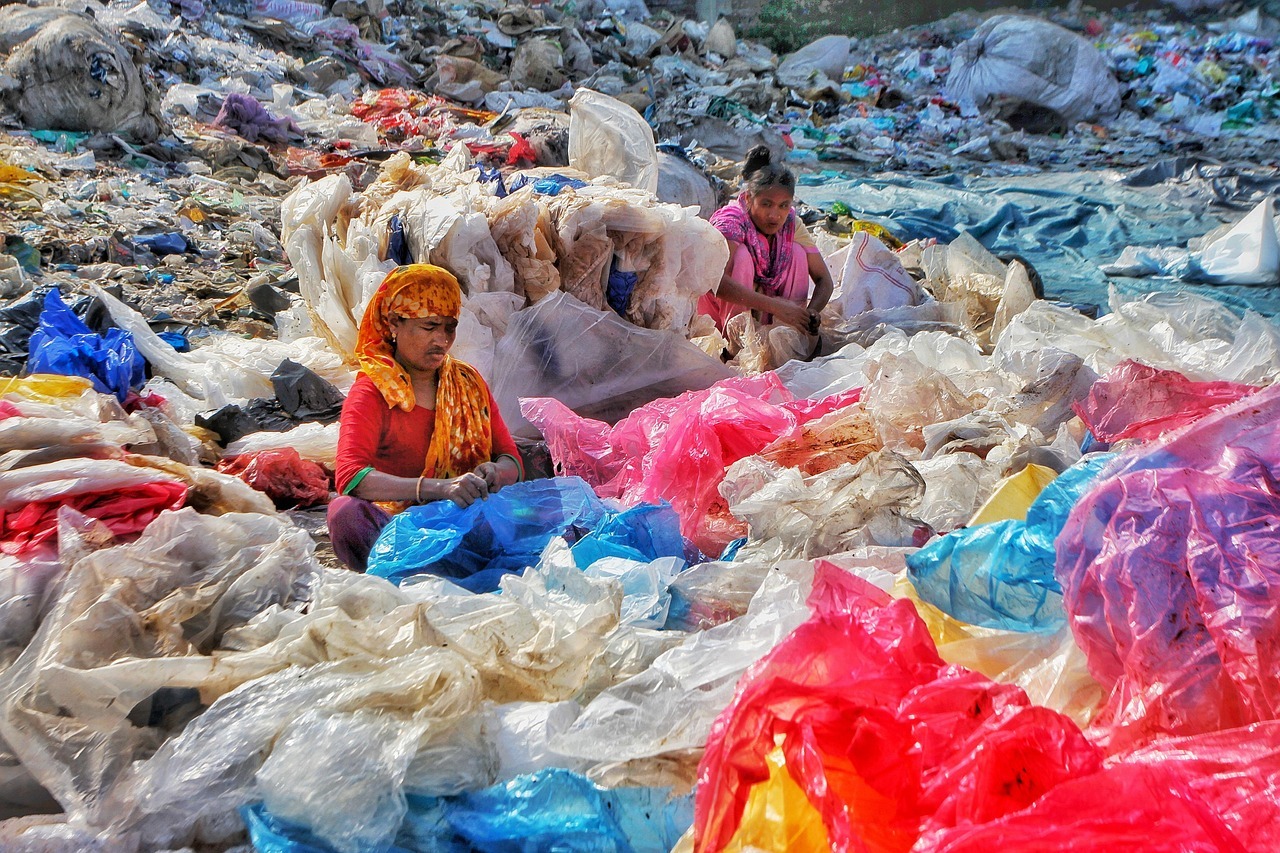
From 5 to 14 August 2025, the second part of the fifth session of the Intergovernmental Negotiating Committee (INC‑5.2) is being held at the Palace of Nations in Geneva to finalize a global treaty on plastic pollution covering the entire lifecycle of plastics.
1. Context and Background
The formal push for this agreement began with UNEA‑5.2 resolution in March 2022, which mandated the creation of a legally binding instrument to curb plastic pollution.
Since then, several sessions have taken place:
- INC‑1 in Punta del Este (Nov–Dec 2022)
- INC‑2 in Paris (May–Jun 2023)
- INC‑3 in Nairobi (Nov 2023)
- INC‑4 in Ottawa (Apr 2024)
- INC‑5.1 in Busan (Nov–Dec 2024)
INC‑5.2 is seen by many as the last real chance to finalize the treaty before formal adoption at a future plenipotentiary conference.
2. Participants and Negotiation Dynamics
More than 180 countries participate, along with over 600 observers, including civil organizations, local governments, scientists, and indigenous peoples, making it the largest session to date.
The Committee Chair, Ambassador Luis Vayas Valdivieso, emphasized that the process is based on consensus, with no formal voting planned, although voting may occur if no full agreement is reached by 14 August.
3. Key Issues in Dispute
- Limits on plastic production: Over 100 countries, including the EU and small island states, support binding reduction targets, while petrochemical producers like Saudi Arabia, Russia, the US, and India prefer to focus on waste management and recycling.
- Management of toxic chemicals and single-use plastics: Consensus exists to eliminate hazardous substances in plastics and ban certain single-use products.
- Financial mechanisms and support for developing countries: Funding for implementation, especially in vulnerable regions, is a key point of debate.
- Recognition of local governments’ role: Local and subnational governments seek formal inclusion in the treaty and access to implementation funds.
4. Notable Positions
- European Union: Advocates for an ambitious treaty covering production to disposal, phasing out certain plastics and toxic materials.
- Spain: Supports binding measures across the full plastic lifecycle, citing health, biodiversity, and climate impacts.
- India: Emphasizes consensus-based decision-making without undermining sustainable development rights for developing countries.
- Greenpeace and civil society: Demand a 75% reduction in plastic production by 2040, recognition of affected communities, inclusion of informal recyclers, and promotion of reuse models.
- Scientific experts: Highlight that global plastic production, with only ~9% recycled, is growing exponentially, requiring regulation of the entire lifecycle, not just recycling.
5. Challenges and Next Steps
- The treaty draft was prepared after INC‑5.1 in Busan but no final agreement was reached. An operational text is expected before 15 August for potential international adoption.
- If consensus is not reached, partial votes or alternative approaches (e.g., opt-in/opt-out agreements) may be considered, which could weaken effectiveness.
- Real compliance mechanisms and sustainable financing are crucial for impact, especially in the Global South.
- A future Plenipotentiary Conference is expected to formalize and adopt the treaty. Possible host countries include Ecuador, Peru, Rwanda, and Senegal.


