


Mexico leads Latin America in electronic waste recycling
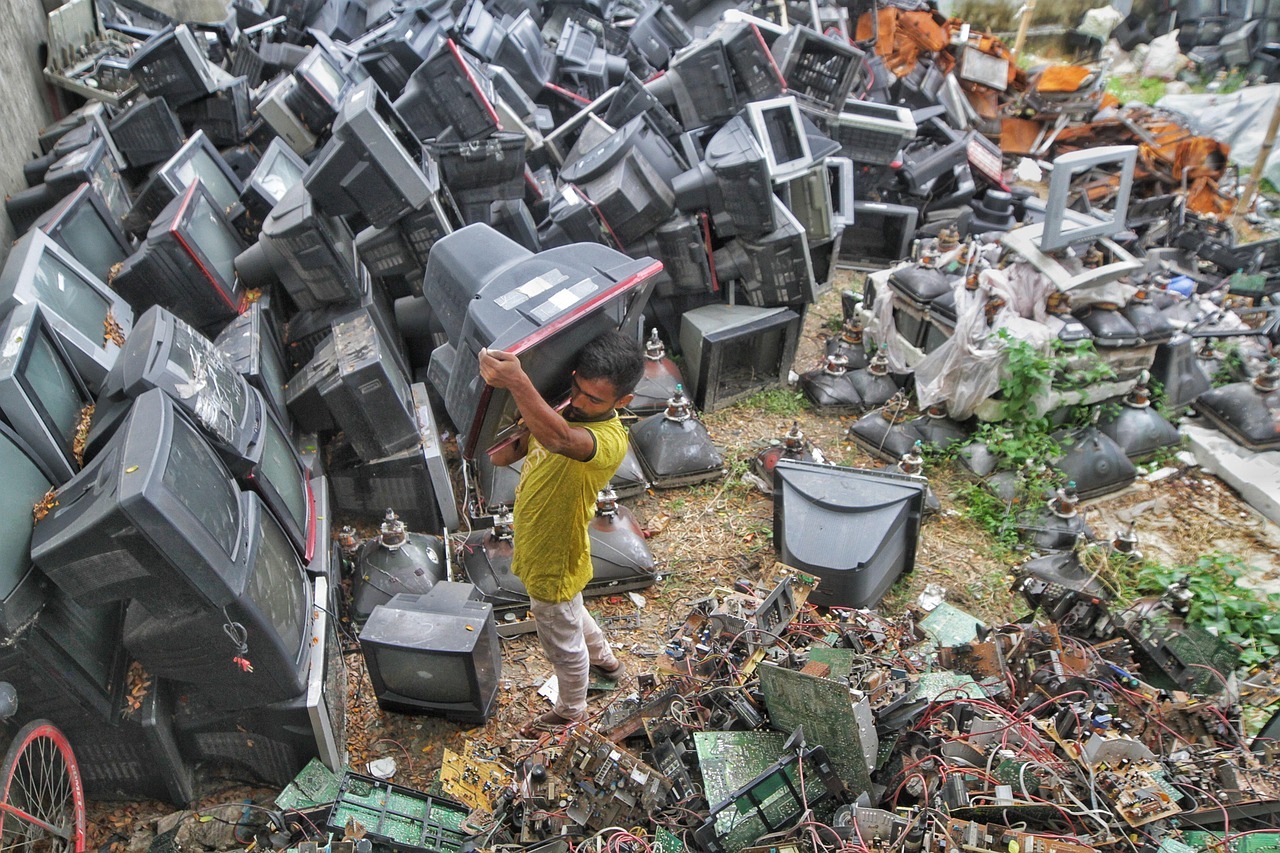
In a global context where electronic waste (e-waste) is growing at an unprecedented rate, Latin America faces an urgent challenge: developing efficient and safe management systems. Mexico has made significant progress in this field, positioning itself as one of the most active countries in the region in electronic recycling.
Regional electronic waste overview
According to the Global E-Waste Monitor, Latin America generated approximately 4.2 million tons of electronic waste in 2020. This number has been increasing, and by 2024 it is estimated to have exceeded 5 million tons annually. The countries contributing the most are:
| Country | E-waste generated (tons/year) | Formally recycled (%) |
|---|---|---|
| Brazil | 1,480,000 | 1.4% |
| Mexico | 1,100,000 | 10% |
| Argentina | 480,000 | 2.2% |
| Colombia | 370,000 | 4% |
| Chile | 200,000 | 3.4% |
Comparison with other Latin American countries
Brazil
Brazil is the largest producer of electronic waste in Latin America, generating over 1.48 million tons annually, according to the Global E-Waste Monitor. However, less than 1.5% of this waste is formally recycled. This low rate is partly due to limited infrastructure, low oversight, and the predominance of informal recyclers.
Although there has been a national solid waste law since 2010, which includes e-waste, its implementation has been slow. Large cities like São Paulo have collection points and certified companies, but formal recycling elsewhere remains the exception.
Mexico
Mexico generates nearly 1.1 million tons of e-waste annually. Unlike other countries in the region, it has consolidated a more formalized national recycling network. Approximately 10% of electronic waste is properly recycled through authorized companies such as REMSA or E-Cycling Mexico.
While there is no federal e-waste law, several states have developed local regulations. Initiatives like Reciclatrón (CDMX) and extended producer responsibility (EPR) programs have gained momentum.
Argentina
Argentina generates around 480,000 tons of electronic waste annually. Formal management is still emerging. Notable projects include E-Basura (UNLP) and the ReProgramar program in Buenos Aires, but the country lacks a national e-waste law.
Current regulations are fragmented across provinces and lack a comprehensive policy requiring producers to participate in post-consumer management, making nationwide recycling chains difficult to establish.
Colombia
Colombia has been recognized for its structured approach with the Posconsumo program, partly managed by the Ministry of Environment. The country generates approximately 370,000 tons of e-waste annually, with at least 15,000 tons formally recycled in 2023, reflecting steady growth since 2018.
Specific resolutions (such as 1512 of 2010) require manufacturers to organize collection and treatment systems. Licensed companies like Lito and EcoCómputo operate, and collection points have been established in major cities.
Chile
Chile has pioneered advanced legislation with its EPR Law (Extended Producer Responsibility), enacted in 2016. While full implementation is ongoing, the law sets clear obligations for producers to manage the e-waste generated by their products.
With annual generation near 200,000 tons, Chile faces challenges in national coverage but has made significant progress in traceability and regulation. Approximately 3.4% of e-waste is formally processed.
Peru
Peru generates about 160,000 tons of electronic waste annually. It has a specific legal framework since 2012 (Supreme Decree No. 001-2012-MINAM), requiring producers to implement e-waste management systems.
In 2022, more than 7,000 tons were collected through formal channels, mainly in Lima. Outside major cities, access to recycling systems is limited, and much waste continues to be managed informally or ends in landfills.
Why Mexico is a benchmark in electronic waste recycling
Mexico’s progress in e-waste management is the result of a strategy that integrates multiple factors: local regulations, cross-sector collaboration, infrastructure expansion, and growing public awareness.
Unlike other Latin American countries without cohesive public policies, Mexico has built a dynamic ecosystem for recycling electrical and electronic equipment (EEE), positioning itself as a regional leader.
1. Infrastructure expansion and strategic alliances
One pillar of Mexico’s progress is the growth of certified collection centers. Companies such as REMSA and Ecoazteca, along with private and social organizations, have created networks covering different regions, enabling safer and more efficient collection of devices like phones, computers, and appliances.
Many of these companies have also formed alliances with international manufacturers —such as HP, Dell, or Samsung— to comply with extended producer responsibility (EPR) schemes.
2. Regional regulations with tangible impact
While Mexico lacks a federal e-waste law, several states have independently legislated. Jalisco, Mexico City, and Nuevo León have frameworks obliging companies to collect and properly dispose of end-of-life electronics.
This decentralized legislation allows some regions to progress faster, creating replicable models. Mexico City has promoted policies facilitating urban collection, integrating e-waste management into its local environmental agenda.
3. Environmental education and citizen participation
Another key factor is Mexico’s ability to engage citizens through environmental education campaigns. Programs like Reciclatrón, promoted by the Ministry of Environment (SEDEMA), have become effective channels for collecting large volumes of e-waste safely.
Collection drives in public spaces like parks, universities, and cultural centers allow citizens to dispose of obsolete devices responsibly, while raising awareness about the dangers of discarding these products in regular trash.
Educational initiatives in schools, social media, and mass media promote recycling and circular economy practices in technology.


