


Plastic waste crisis: why most plastic is not recycled
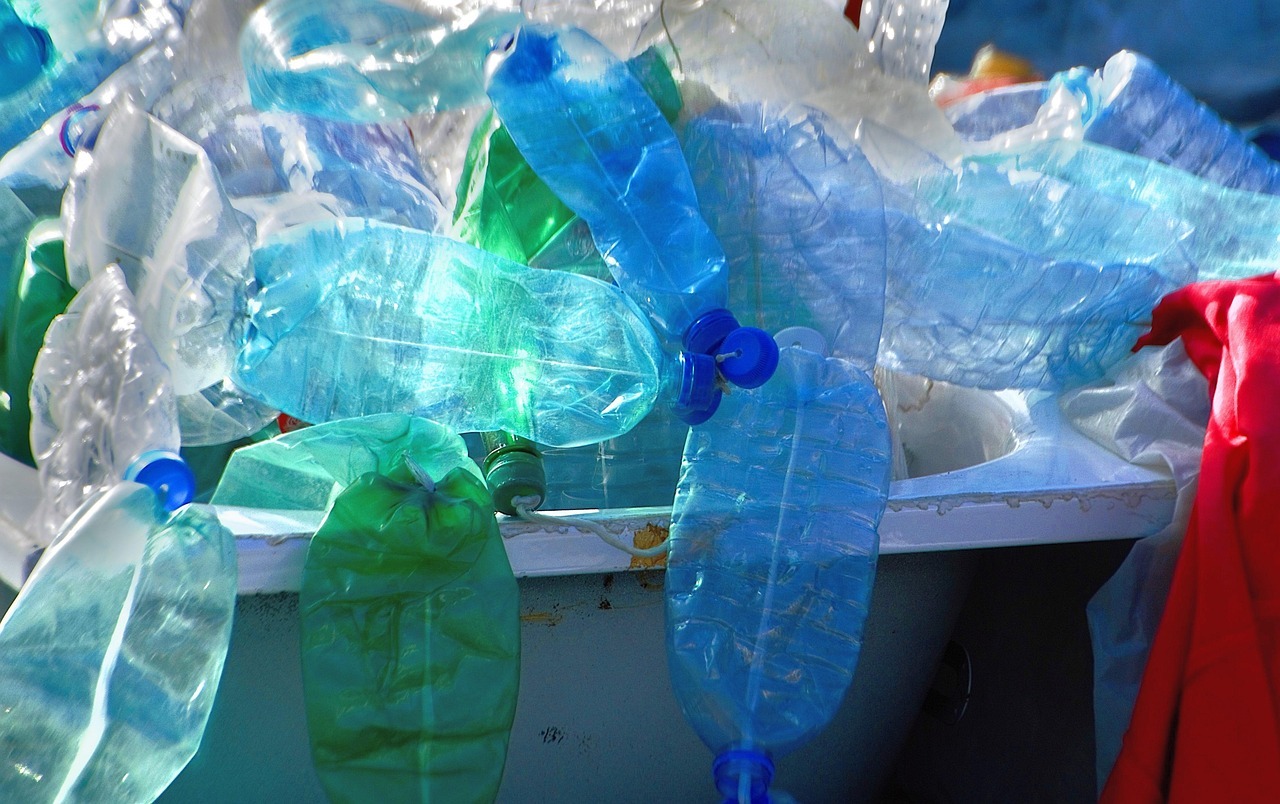
Plastic is present in almost every aspect of our daily lives, from packaging and utensils to clothing and technology. However, its durability, once considered an advantage, has become one of the greatest environmental threats of the 21st century. A recent report by the United Nations Environment Programme (UNEP) warns that more than 60% of plastic waste generated worldwide is not recycled, worsening the global environmental crisis.
Why isn’t plastic recycled?
There are multiple reasons why most plastic waste is not recycled:
-
Material contamination: many plastics are mixed with organic waste or combined with other materials, making recycling difficult.
-
Non-recyclable plastic types: plastics such as PVC or expanded polystyrene (EPS) have complex or non-profitable recycling processes.
-
Lack of infrastructure: many countries, especially developing ones, lack adequate collection and recycling systems.
-
High costs: in some cases, producing virgin plastic is cheaper than recycling used plastic.
Key data from the report
The report, supported by studies from institutions such as the OECD and the World Bank, presents striking figures:
-
Only 9% of all plastic produced since 1950 has been successfully recycled.
-
More than 12% has been incinerated, generating toxic emissions.
-
Nearly 79% ends up in landfills or the natural environment, including rivers, seas and oceans.
-
More than 400 million tonnes of plastic are produced globally every year, and the figure continues to rise.
Environmental impacts of unrecycled plastic
Plastic waste that is not properly managed causes serious consequences:
1. Marine ecosystem pollution
An estimated 11 million tonnes of plastic enter the oceans every year, affecting more than 800 marine species that ingest plastic or become entangled in it.
2. Microplastics in the food chain
Over time, plastics break down into microplastics that can enter the human food chain through water, fish and other products.
3. Greenhouse gas emissions
Plastic production and incineration generate billions of tonnes of CO₂ each year, contributing to climate change.
What is being done to reverse this situation?
Despite the alarming outlook, there are government, corporate and community initiatives aimed at reversing this trend:
Bans and regulations
Countries such as Canada, the European Union and India have introduced bans on single-use plastics, including bags, cutlery and straws.
Circular economy
Major companies are adopting circular economy models, reusing materials and redesigning products to be recyclable or compostable.
Material innovation
Scientists are developing bioplastics and compostable packaging that degrade without leaving toxic residues.
Education and awareness
Citizen movements, NGOs and educational platforms promote sustainable habits such as responsible consumption and waste separation.
What can you do at home?
From an eco-friendly household perspective, there are many actions you can take:
-
Avoid single-use plastics: carry a reusable bottle, cloth bag and personal utensils.
-
Buy in bulk: reduce unnecessary packaging by shopping at stores that offer plastic-free products.
-
Sort waste properly: learn how to separate and clean plastics before disposal.
-
Support recycled products: choose brands that use recycled plastic or sustainable alternatives.
Conclusion
The unrecycled plastic crisis affects the entire planet. While the report’s data is alarming, it also represents an opportunity to act. From major policy decisions to small actions at home, every effort counts. Reduce, reuse and recycle are not just slogans, but powerful tools to protect our planet’s future.


