


Sport as a Catalyst for Environmental Change
Sports not only inspire passion and unity, but can also be a powerful tool for environmental transformation. This was demonstrated by Real Betis Balompié, Liverpool FC, and the International Ski Federation (FIS), awarded at the Sport Positive Awards 2025, an event recognizing organizations leading the fight against climate change through sports.
During the Sport Positive Summit held in London, in collaboration with the UN and the International Olympic Committee, twelve categories were awarded, highlighting the commitment of clubs, federations, and athletes to sustainability.
Real Betis and its green-Andalusian revolution
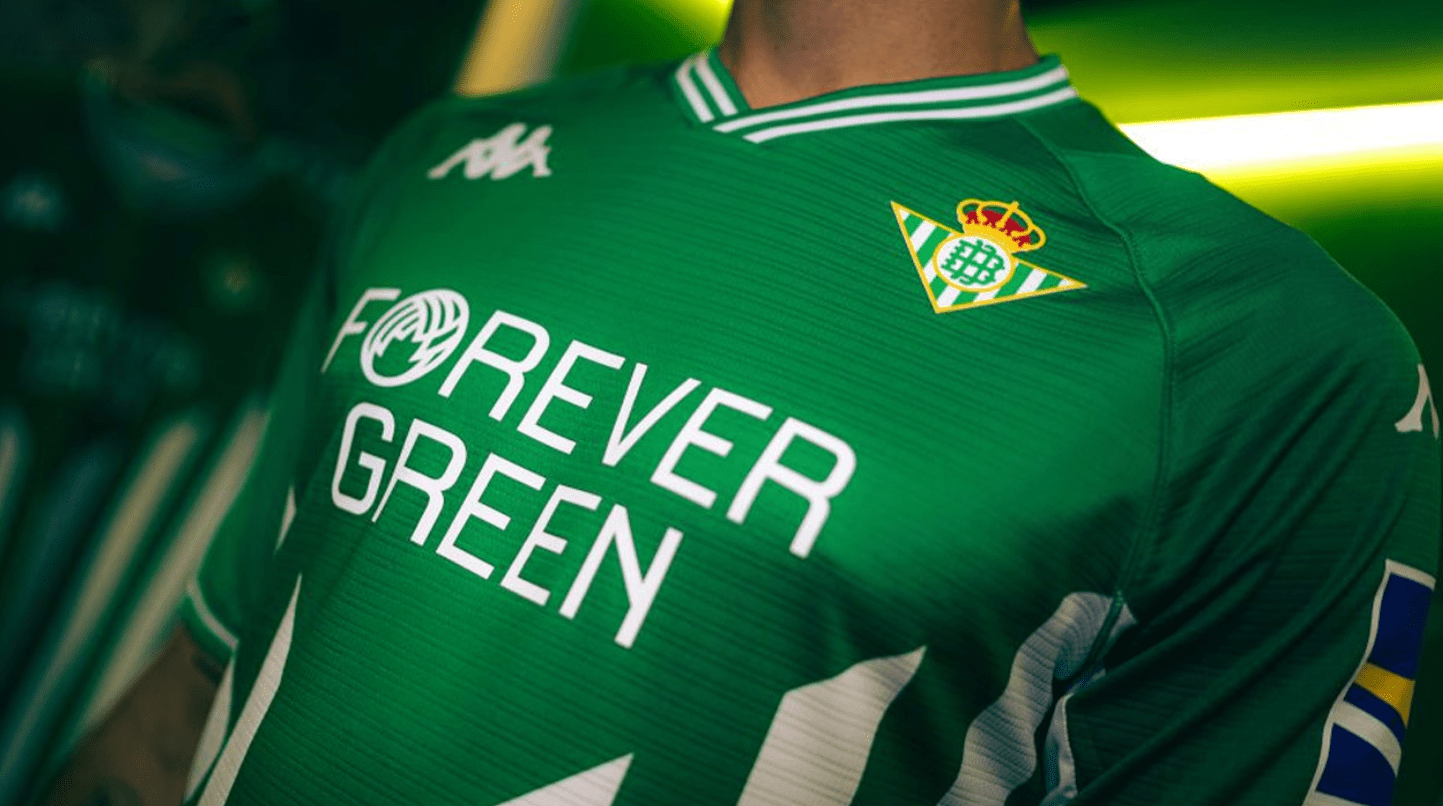
The Seville-based club received the Best Campaign award for its project “Sin Azul No Hay Verde”, part of its global program Forever Green, positioning Betis as a pioneer of sustainability in LaLiga and European football.
This campaign focused on raising awareness about the environmental impact of an invasive Asian algae threatening Andalusian coasts, a problem directly linked to global warming. The club launched a special jersey made from fibers derived from the algae itself, innovatively integrating sustainability into merchandising and club identity.
Beyond ecological awareness, the project has had a strong social impact, becoming an educational platform involving fans, schools, and local communities. Betis shows that environmental responsibility can go hand in hand with sports pride.
“Betis has connected the passion for football with the protection of nature. Their message is clear: without healthy seas, there is no green planet,” highlighted Sport Positive.
Liverpool FC: from recycling to environmental transformation
Liverpool FC won the Transformation award for its comprehensive strategy “The Red Way”, launched in 2021. This ambitious program covers environmental, social, and governance (ESG) pillars, becoming one of the most complete sustainability initiatives in world football.
Thanks to The Red Way, the English club increased recycling on match days from 20% to 90% and reduced carbon emissions by 15%. Liverpool also implemented energy efficiency policies, sustainable mobility for fans, and educational campaigns for staff and the local community.
The club installed electric vehicle charging points, solar panels, and a rigorous carbon footprint monitoring system, positioning itself as a benchmark for environmental best practices in the Premier League.
Claire Poole, founder of Sport Positive, stated: “Liverpool demonstrates that sustainability is not a slogan, but a structural change ensuring the future of sport and the planet.”
FIS: technological innovation for snow sports
The International Ski and Snowboard Federation (FIS) was awarded in the Inspired Innovation category for developing a CO₂ calculator in collaboration with Green Producers Club. This system allows event organizers to measure, manage, and reduce emissions from winter sports competitions.
The open-source tool is constantly updated with user feedback, becoming a living platform that helps clubs, athletes, and suppliers make more sustainable decisions.
Susanna Sieff, FIS sustainability director, noted that “it’s not just about winning an award, but advancing a tool that drives real change in the sector.”
This recognition is particularly relevant as climate change directly threatens winter sports. According to FIS and the IOC, by 2040 only a few countries may have the conditions to host Winter Olympic Games.
The impact of climate change on sports
The Sport Positive Summit also discussed how heatwaves, storms, and melting ice affect schedules and sports practice. In 2025, both the Club World Cup and Wimbledon experienced unprecedented extreme heat.
Experts warn that without accelerated climate action, thousands of sporting events could face cancellations or restrictions. Sports, besides being affected, can play a key role in raising social awareness and ecological transition.
Other awardees and the importance of setting an example
Other honorees included Cricket for Climate, founded by Australian captain Pat Cummins; Kicking for Nature, a Brazilian taekwondo program focused on environmental education; and Ulster GAA Sporting Nature Project, creating biodiversity habitats in community clubs in Northern Ireland.
These initiatives show that sustainability in sports transcends disciplines, borders, and budgets: from football giants to local organizations, everyone can contribute to change.


