


Seasonal ingredients: plan meals for health and sustainability
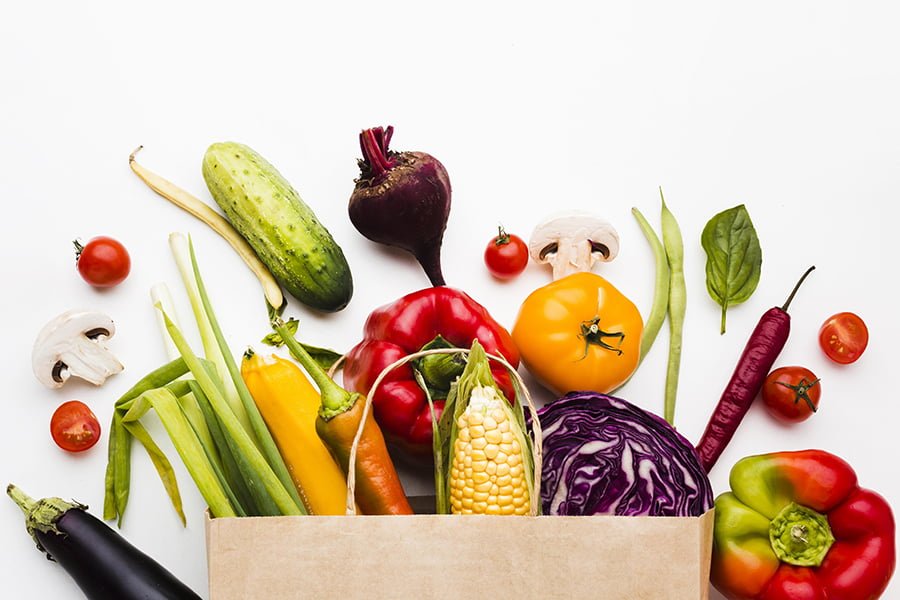
Planning your meals with seasonal ingredients may seem daunting, but by doing so, you not only improve your health but also contribute to the planet’s well-being and support local producers. In this guide, we will show you how to make the most of fresh seasonal foods to enjoy delicious and sustainable meals all year round.
Why choose seasonal ingredients?
Seasonal ingredients are harvested at their peak during specific times of the year. This ensures that foods are fresher, tastier, and have a lower environmental impact. By consuming seasonal products:
- Save money: Seasonal foods are usually cheaper because they are abundant.
- Support the local economy: Buying at local markets helps farmers and producers in your region.
- Reduce your carbon footprint: Seasonal products don’t require long-distance transport, reducing greenhouse gas emissions.
- Enjoy better taste and nutrition: Fresh foods retain more nutrients and flavors than those stored or transported for long periods.
How to identify seasonal ingredients in your area
The first step for planning meals with seasonal ingredients is knowing what’s available locally. Local harvest calendars and farmers’ markets are excellent sources of information. Here are some tips:
- Check a local harvest calendar: Many websites provide calendars showing when certain products are available in your area.
- Visit farmers’ markets: You’ll find a variety of fresh products that reflect what’s in season locally.
- Ask the vendors: Local producers can guide you on the freshest foods and when they are harvested.
Planning menus with seasonal ingredients
Once you know which ingredients are in season, it’s time to plan your menus. The key to successful planning is variety and flexibility. Here’s a step-by-step method to create weekly menus using fresh, seasonal ingredients:
1. Make a list of available seasonal ingredients
Start by listing all seasonal ingredients at your disposal. Group them into categories like fruits, vegetables, proteins, etc. This provides a foundation for different combinations and recipes.
2. Choose recipes that use multiple seasonal ingredients
Look for recipes that incorporate several ingredients from your seasonal list. This ensures fresh and varied meals while helping to reduce food waste. For example, an autumn salad may include apples, nuts, spinach, and goat cheese—all typical seasonal ingredients.
3. Plan balanced and varied meals
Ensure your menus include a variety of nutrients. Each meal should contain protein, healthy carbohydrates, and good fats. Use different colors and textures of seasonal ingredients for visually appealing and nutritionally complete dishes.
4. Be flexible with substitutions
Sometimes a specific ingredient may not be available, or you may prefer another for taste. Don’t hesitate to make substitutions based on what you find at the market. Flexibility keeps meal planning fun and stress-free.
5. Prep in advance and store properly
Once meals are planned, dedicate a day to prepare and store needed ingredients. This saves time during the week and helps avoid less healthy or sustainable options. Store food properly to maintain freshness and flavor.
Benefits of supporting local producers
Eating seasonal ingredients is good for health and positively impacts the local community. Benefits include:
- Strengthen the local economy: Buying local keeps money in the community, creating jobs and supporting regional growth.
- Promote sustainable agriculture: Local producers often use more sustainable practices, protecting soil and reducing chemical use.
- Reduce environmental impact: Shorter transport distances lower carbon emissions and conserve natural resources.
Tips to incorporate seasonal ingredients into your diet
- Try new recipes: Each season brings new flavors and techniques. Experiment with unfamiliar ingredients.
- Buy in bulk and preserve: If a seasonal ingredient is abundant, buy in bulk and preserve it. Freeze fruits and vegetables, or make jams, preserves, and pickles.
- Grow your own food: If possible, grow seasonal ingredients at home. You’ll have fresh products and enjoy the process of cultivating your food.
Conclusion: Eating seasonal, a sustainable and healthy habit
Planning meals with seasonal ingredients improves health, supports local producers, and reduces environmental impact. With preparation and creativity, you can enjoy fresh, delicious meals all year while contributing to a sustainable future. Start today and experience the true taste of each season!